INDOOR AIR QUALITY
INDOOR AIR QUALITY IN Plant City, FL.
FL homes are sealed tight against the heat, which suits energy bills and not the air inside. Mission Air Services, Inc. improves indoor air quality across Plant City, FL, Lakeland, and Hillsborough County, measuring humidity and airflow before recommending anything. Assessments cost nothing, NATE-certified technicians work under license CAC1820450, and appointments can be booked easily through our contact page.
HUMIDITY IS THE AIR QUALITY PROBLEM HERE.
In most of the country the indoor air conversation starts with particulates. In central FL it starts with moisture. Sustained indoor humidity above roughly 60% supports mold growth and dust mite populations, and both are far more consequential for people with asthma or allergies than dust alone. Get the moisture right and a large share of the complaints we hear about indoor air resolve themselves.
That is exactly why our assessments begin with humidity readings and airflow measurements taken in the occupied rooms, rather than beginning with a product catalog and working backward.
- Humidity measured before anything is recommended
- Return leaks checked as a moisture source
- Filtration matched by NATE-certified, licensed technicians
- Honest advice on what you do not need
Quality doors from established manufacturers hold their finish and function longer than budget alternatives, which means fewer repairs and replacements over the life of your home. That durability protects the money you put into the purchase.
Long Term Value
INDOOR AIR QUALITY
YOUR HVAC SYSTEM IS ALREADY THE BIGGEST AIR HANDLER YOU OWN.
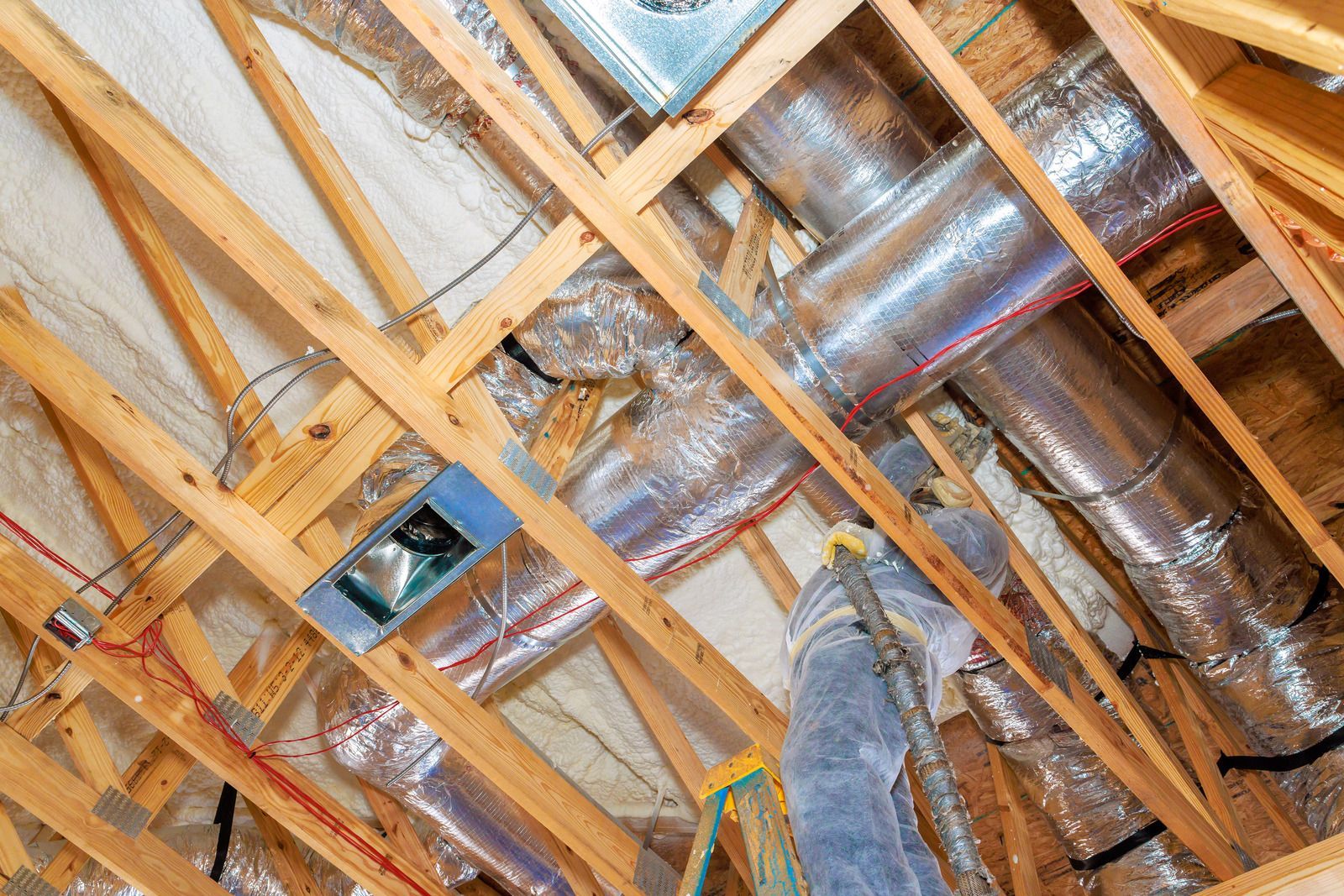
Every cubic foot of air in the house passes through the system repeatedly over the course of a day, which makes it the natural place to address air quality properly. A portable purifier treats the room it stands in. Equipment fitted into the ductwork treats everything the blower moves. That reach is why whole-home solutions consistently outperform standalone products, provided the airflow they depend on is actually adequate.
SHAPED BY HOW THIS CLIMATE LOADS INDOOR AIR.
Humidity runs high for most of the year, pollen seasons are long and heavy, and homes stay closed with the system running almost continuously. Add unsealed returns pulling attic air into the airstream and the indoor load can exceed what is outside. Each of those factors calls for a different response, which is why a single product recommendation rarely addresses what a household is actually experiencing.
HUMIDITY IS THE PROBLEM MOST TECHNICIANS HERE STILL UNDERESTIMATE.
Over 20+ years the most common indoor air complaint we have been called about has turned out to be moisture wearing another name. Musty smells, allergy symptoms that worsen indoors, condensation on registers, a house that feels stuffy at a normal temperature. Selling a filter into that situation achieves very little indeed. Measuring humidity, correcting oversized equipment, and sealing up leaking returns achieves a great deal more.
WHAT BETTER INDOOR AIR DELIVERS
FEWER ALLERGY AND ASTHMA SYMPTOMS
Controlling humidity limits mold and dust mites, and proper filtration removes pollen and fine particulates. Households with sensitive members usually notice the change within the first couple of weeks.
AN END TO MUSTY SMELLS
Persistent odors almost always trace to moisture somewhere in the system or the structure. Finding and correcting the source removes the smell rather than masking it with something fragrant.
LESS DUST SETTLING EVERYWHERE
Sealed returns and better filtration together cut the amount of dust circulating through the house. Surfaces stay clean longer, which is often the first change people actually notice.
PROTECTION FOR THE BUILDING ITSELF
Sustained high humidity damages more than comfort. Controlling it protects flooring, cabinetry, and finishes from the swelling, warping, and mold growth that moisture causes over time.
MORE COMFORTABLE AT A HIGHER SETTING
Drier air feels cooler. Households that get their humidity under control frequently raise the thermostat a degree or two and feel better for it, which lowers running costs as well.
EQUIPMENT THAT STAYS CLEANER
Good filtration keeps coils and blower wheels clear, which preserves efficiency and reduces the frequency of heavier servicing. The system benefits from better air just as the household does.
WHAT WE PROVIDE
OUR INDOOR AIR QUALITY WORK.
Air quality work is a sequence rather than a product. We measure first, correct the fundamentals, and only then consider added equipment where it genuinely adds something. We will tell you plainly when the basics are already enough.
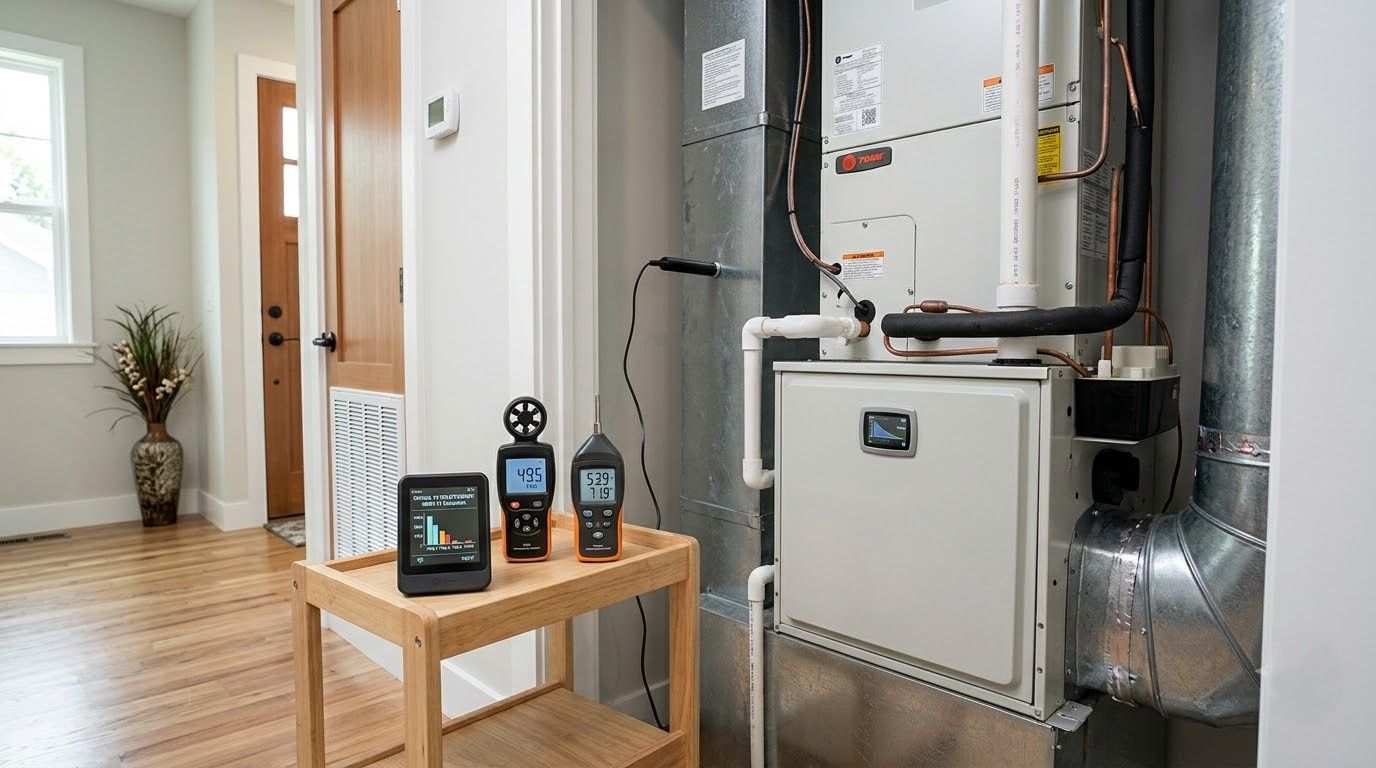
ASSESSMENT
Indoor Air Quality Assessment
Humidity, airflow, filtration, and return integrity all get measured and inspected. That assessment determines the recommendation, so nobody is sold equipment that addresses a problem they do not have. The readings are shared with you in writing afterward.
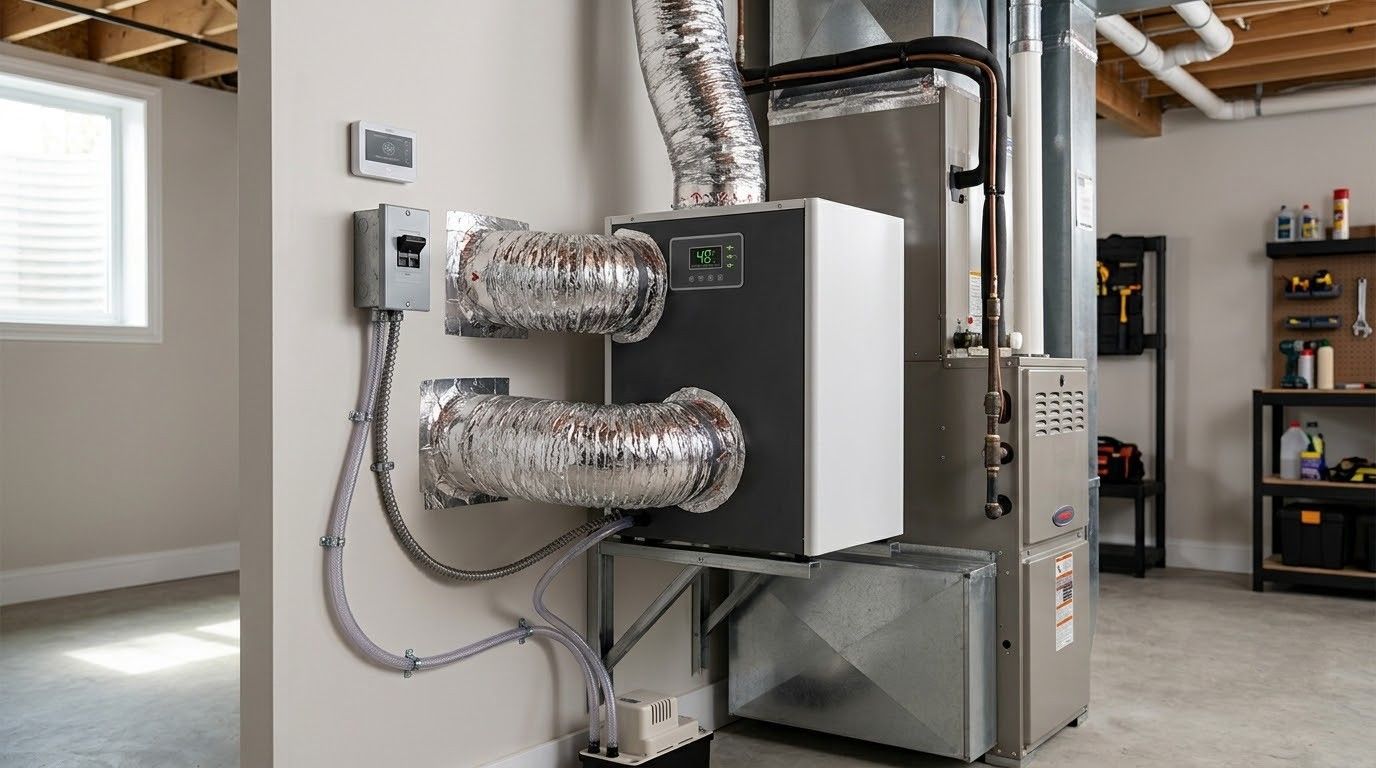
HUMIDITY
Whole-Home Dehumidification
Where a correctly sized system still cannot hold humidity down, a dedicated dehumidifier fitted into the ductwork handles it. This is the single most effective air quality intervention available here.
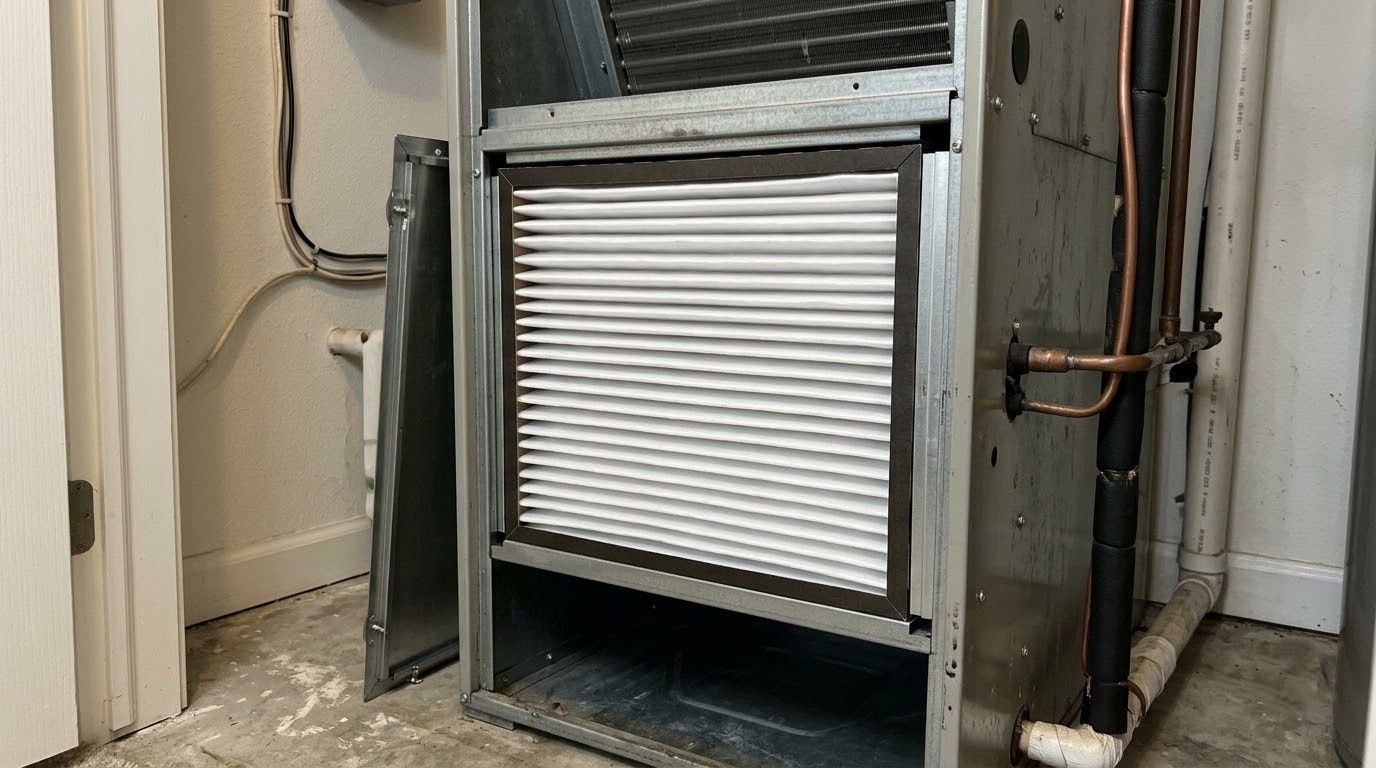
FILTRATION
Media Filter Upgrades
Higher-efficiency media filters capture far more than a standard panel filter. We match the filter to your system's airflow capacity, because an over-restrictive filter causes more problems than it solves.
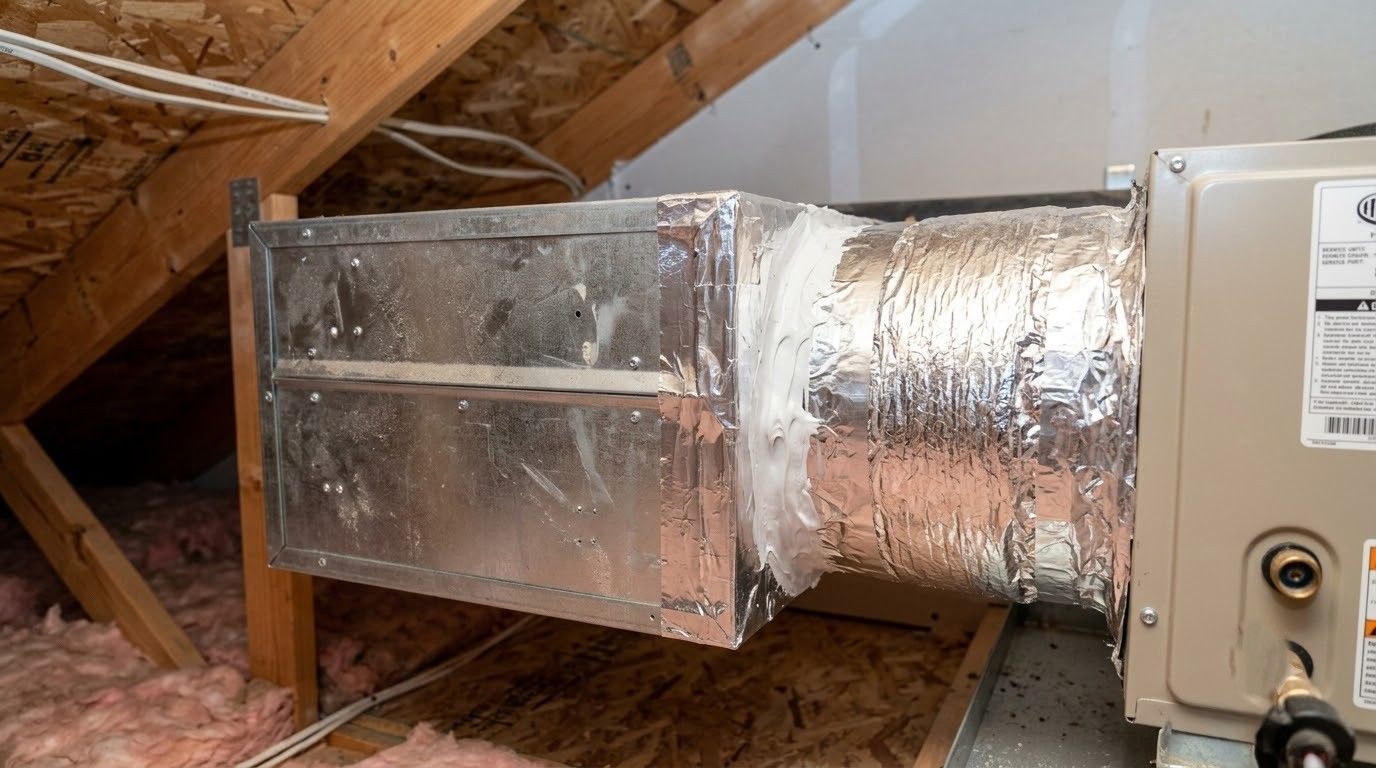
SEALING
Return Leak Correction
Unsealed returns pull attic dust, insulation fibers, and humid air directly into the airstream. Sealing them is frequently the cheapest and most effective air quality improvement a house can have.
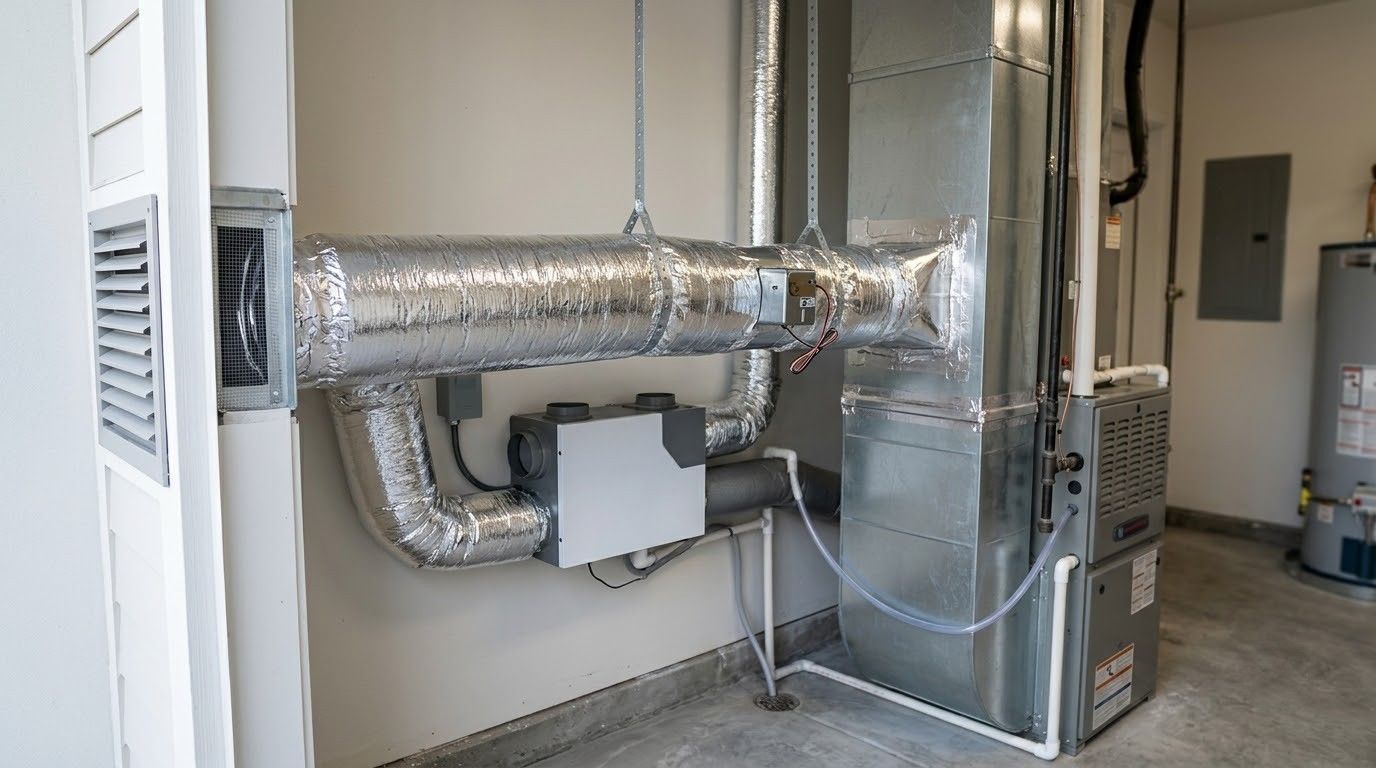
VENTILATION
Fresh Air Ventilation
Tightly built homes benefit from controlled fresh air rather than accidental infiltration. A properly designed ventilation intake dilutes indoor pollutants without simply importing outdoor humidity along with them. Filtration and dehumidification are matched to whatever the intake brings in.
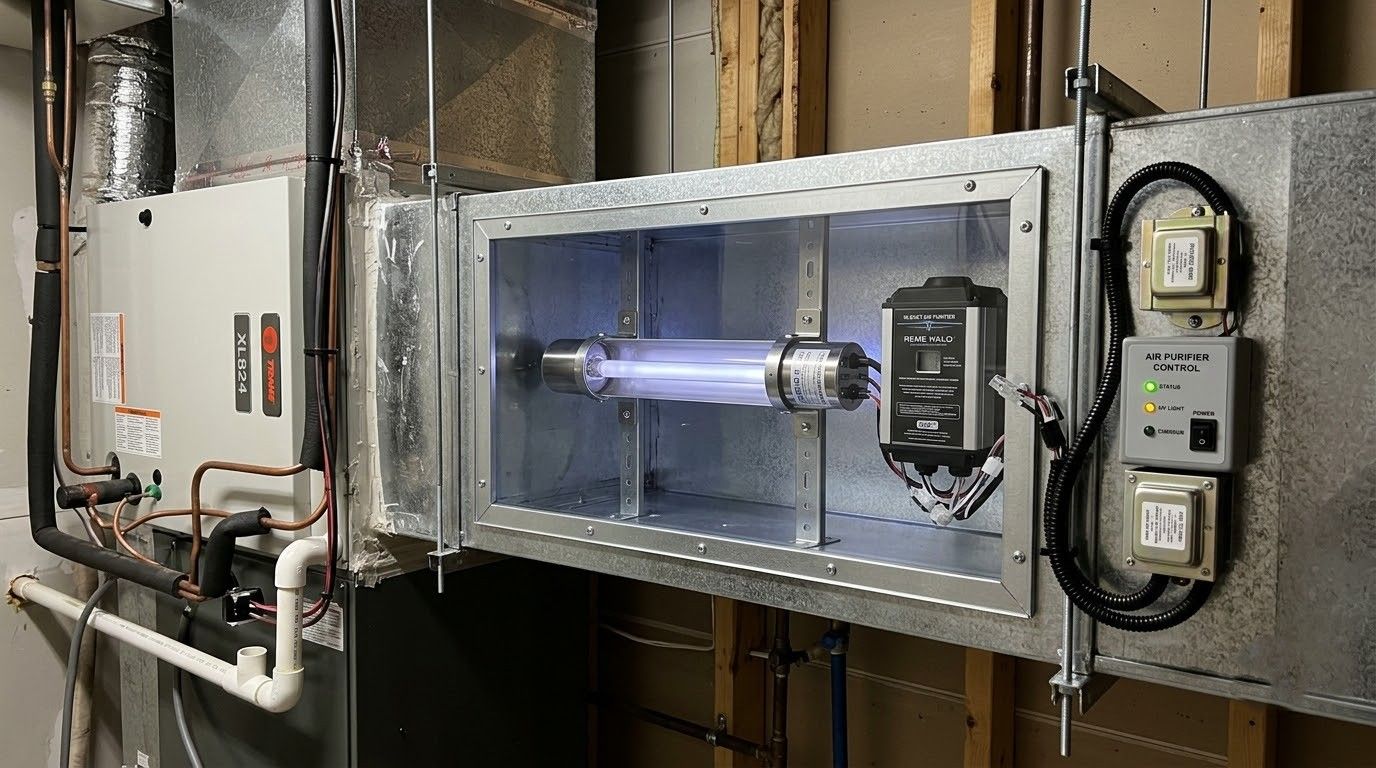
UV AND PURIFICATION
In-Duct Purification Options
UV lamps and in-duct purifiers address biological growth on the coil and airborne contaminants. We explain what each genuinely does before recommending it, and we are candid about the limits.
THE WORD ON OUR WORK
WHAT OUR CLIENTS SAY.
Air quality reviews usually come from households that had tried products first and got nowhere. What they describe is an assessment that identified humidity or a leaking return as the real cause, and a house that felt different within a fortnight.
Common Questions
frequently asked
questions.
These questions come up on almost every air quality assessment we carry out locally. Ask the technician about anything else while they are still on site with you.
What indoor humidity level should I aim for?
Somewhere between 40% and 55% suits most households. Above 60% supports mold and dust mites, and holding that range consistently matters far more here than in a drier climate. We measure it in occupied rooms rather than at the equipment.
Why does my house feel humid even with the AC running?
Usually because the equipment is oversized and satisfies the thermostat before removing moisture, or because return leaks are pulling damp attic air in. Both are correctable once identified. We measure humidity and check returns before recommending anything.
What causes musty smells from the vents?
Moisture on the evaporator coil, standing water in the drain pan, or humidity inside the ductwork. The smell is a symptom, so correcting the moisture source is what actually removes it.
Do UV lights really improve air quality?
They reduce biological growth on the coil and in the airstream, which is genuinely useful in a humid climate. They do nothing for dust, pollen, or humidity, and we say so plainly.
What MERV rating should my filter be?
Generally between 8 and 13 for residential systems. Mission Air Services, Inc. checks static pressure across the filter on every Plant City, FL visit, since too restrictive causes real problems.
Are portable air purifiers worth using?
They help in the single room they occupy. Whole-home equipment fitted into the ductwork treats everything the blower moves, which is a considerably larger benefit for a comparable investment.
How often should filters be changed here?
Every 1 to 3 months, and toward the shorter end during heavy pollen periods or with pets in the house. Systems here run almost continuously, so filters load faster than elsewhere.
Can improving air quality help with allergies?
Frequently, yes. Controlling humidity limits mold and dust mites, and better filtration captures pollen. Neither replaces medical advice, but both reduce the indoor exposure that makes symptoms worse. Humidity is usually the first thing worth correcting.
We Finalize Your Order
STEP 04
Once you choose a product, we confirm every specification, from swing direction to hardware preparation, before placing the order, so the door that arrives matches what was actually agreed upon.
HOW WE WORK
FROM MEASURED AIR TO A COMFORTABLE HOUSE, HERE IS HOW.
STEP 01
WE ASK WHAT YOU ARE EXPERIENCING
Smells, symptoms, dust, condensation, or a house that simply feels wrong. Those descriptions point toward the likely cause far more reliably than any generic product recommendation ever could. That conversation shapes the whole assessment that follows.
STEP 02
WE MEASURE HUMIDITY AND AIRFLOW
Indoor relative humidity, temperature differential, and static pressure all get recorded. In this climate those three readings explain the majority of the complaints we are called about. Every figure is written down and shared with you afterward.
STEP 03
WE INSPECT THE RETURN SIDE
Return leaks are a major and frequently overlooked source of indoor dust and moisture. We check every accessible connection, because sealing them is cheap and unusually effective here. Photographs of anything found go into the written proposal.
STEP 04
WE CORRECT THE FUNDAMENTALS FIRST
Airflow, charge, filtration, and return sealing get sorted before any added equipment is considered. A surprising number of air quality problems disappear entirely at this stage. Doing this before selling equipment is simply the honest order to work in.
STEP 05
WE RECOMMEND ONLY WHAT IS LEFT
If problems remain after the basics are right, we propose dehumidification, purification, or ventilation as appropriate. Each recommendation comes with an honest description of what it will and will not do. Nothing is proposed that we would not fit ourselves.
STEP 06
WE VERIFY THE RESULT
Humidity and airflow are measured again after the work, and we follow up once the house has had time to settle. Numbers, rather than impressions, confirm whether it worked. Anything still outside target gets revisited at no extra cost.