COMMERCIAL HVAC INSTALLATION AND MAINTENANCE
COMMERCIAL HVAC INSTALLATION AND MAINTENANCE IN Plant City, FL.
Commercial equipment rarely fails without warning. It fails after a belt nobody tensioned and a coil nobody cleared. Mission Air Services, Inc. provides commercial HVAC installation and maintenance across Plant City, FL, Lakeland, and Riverview, on a documented schedule. Maintenance agreements are available, NATE-certified technicians are licensed under CAC1820450, and site surveys are free on our contact page.
PLANNED SERVICE COSTS LESS THAN THE ALTERNATIVE.
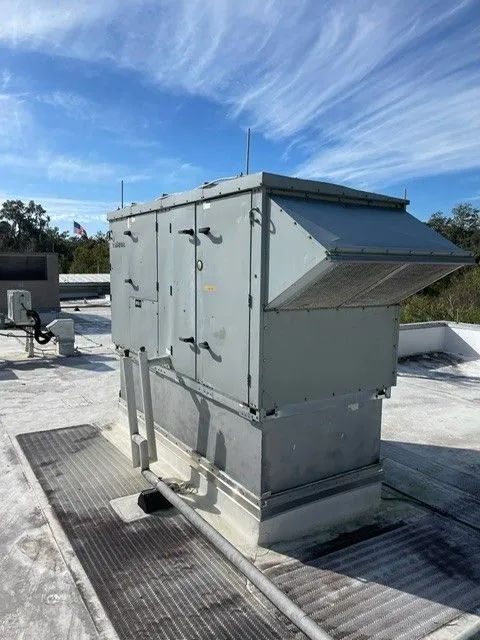
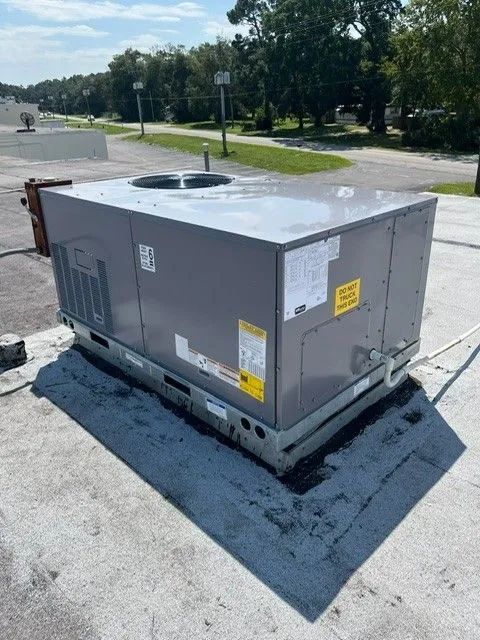
Reactive maintenance looks cheaper right up until the first peak-season failure, at which point the repair, the lost trading, and the emergency premium all arrive together. Structured preventive service catches belts before they snap, coils before they foul, and refrigerant drift before it strains a compressor. Across a fleet of rooftop units the difference over a few years is not marginal, it is substantial.
That is the whole argument for an agreement. Predictable spending on a schedule you control, instead of unpredictable spending on a schedule the weather controls.
- Every unit documented, licensed under CAC1820450
- Service scheduled around your trading hours
- Agreement customers get priority dispatch
- Written condition reports for budgeting
Quality doors from established manufacturers hold their finish and function longer than budget alternatives, which means fewer repairs and replacements over the life of your home. That durability protects the money you put into the purchase.
Long Term Value
COMMERCIAL HVAC INSTALLATION AND MAINTENANCE
A FLEET NEEDS A PLAN, NOT A SERIES OF CALLOUTS.
Once a site runs more than one or two units, managing them individually stops working. What matters is knowing the age and condition of each unit, which ones are approaching replacement, which are consuming the maintenance budget, and when each was last serviced. We build that picture unit by unit so decisions about repair, replacement, and capital planning rest on records rather than on whichever one broke most recently.
SCHEDULED AROUND HOW YOUR BUSINESS ACTUALLY RUNS.
A restaurant cannot lose cooling during service. A medical office has appointment blocks. A warehouse may prefer weekends. Retail wants nobody on a ladder during trading hours. We plan maintenance visits around those realities rather than around our own convenience, and for a good many customers the work simply happens outside opening hours without anyone on site ever needing to think about it.
PLANNED SERVICE IS BORING, AND THAT IS THE POINT.
The best commercial account we have is one where nothing has happened for years, because the belts get changed before they fail and the coils get cleared before they foul. Over 20+ years we have learned that facility managers do not want an exciting relationship with their HVAC contractor. They want the units to keep running, the paperwork to be complete, and the budget to hold no surprises.
WHAT A MAINTENANCE AGREEMENT DELIVERS
FAR FEWER EMERGENCY BREAKDOWNS
Structured preventive service catches the failures that cause most peak-season shutdowns. Belts, bearings, contactors, and refrigerant drift are all visible long before they stop a unit.
PRIORITY WHEN YOU DO NEED US
Agreement customers move ahead of the general queue. During a summer week when every contractor in the county is booked, that position is worth more than the discount is.
LESS POWER DRAWN ACROSS THE FLEET
Clean coils, correct charge, calibrated economizers, and properly tensioned belts all reduce the power a unit draws. Across a rooftop fleet those savings compound into a meaningful annual figure.
ASSETS THAT LAST THEIR FULL TERM
Rooftop units maintained on a structured program routinely last years longer than reactively serviced ones. Deferring maintenance is the most reliable way to shorten an expensive asset's life.
BUDGET YOU CAN FORECAST
Known service costs and documented equipment condition make capital planning realistic. Replacement gets scheduled deliberately rather than forced by a failure at the worst possible time.
RECORDS THAT SUPPORT COMPLIANCE
Every visit produces documented readings and findings. Where your sector requires evidence of environmental conditions or maintenance, that record already exists rather than needing reconstruction.

WHAT WE PROVIDE
OUR COMMERCIAL HVAC WORK.
Commercial work divides between putting systems in correctly and keeping them running afterward. Most of our accounts start with one and end up wanting the other as well. The survey tells us which of the two you need first.
NEW SYSTEMS
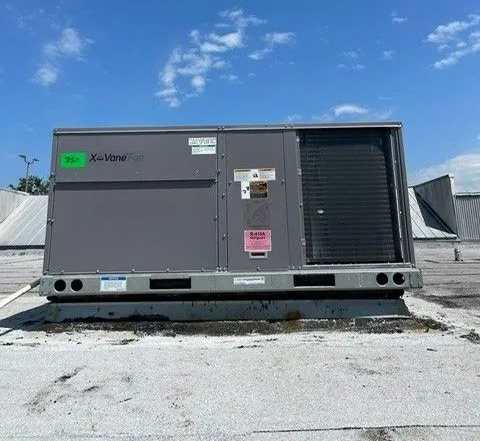
Commercial System Installation
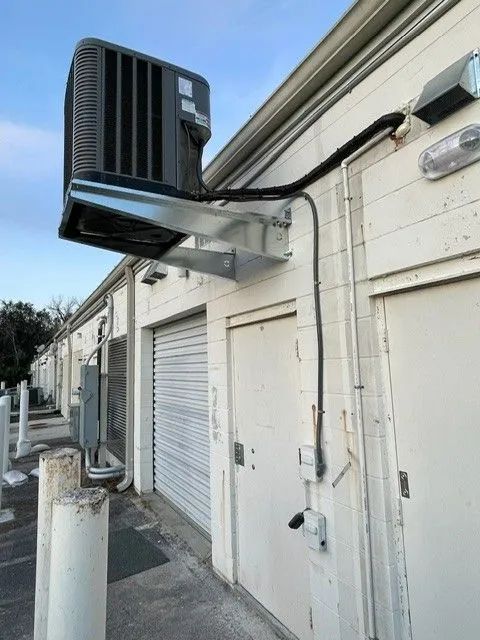
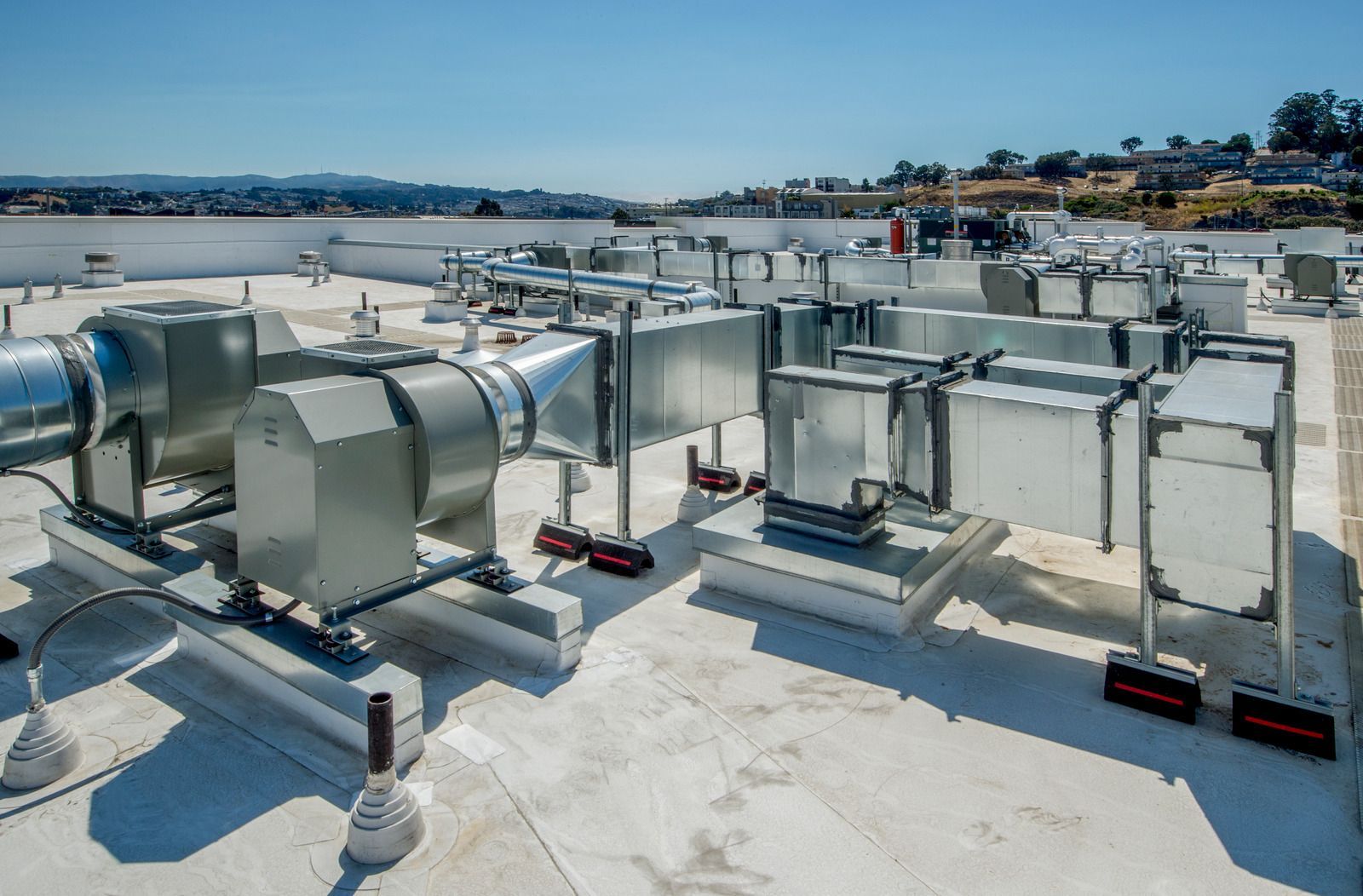
Rooftop units, split systems, and packaged equipment specified against a proper load assessment, then installed with correct curb sealing, electrical, and controls. Commissioning readings are recorded and handed over. Warranty registration is completed on your behalf.
REPLACEMENTS
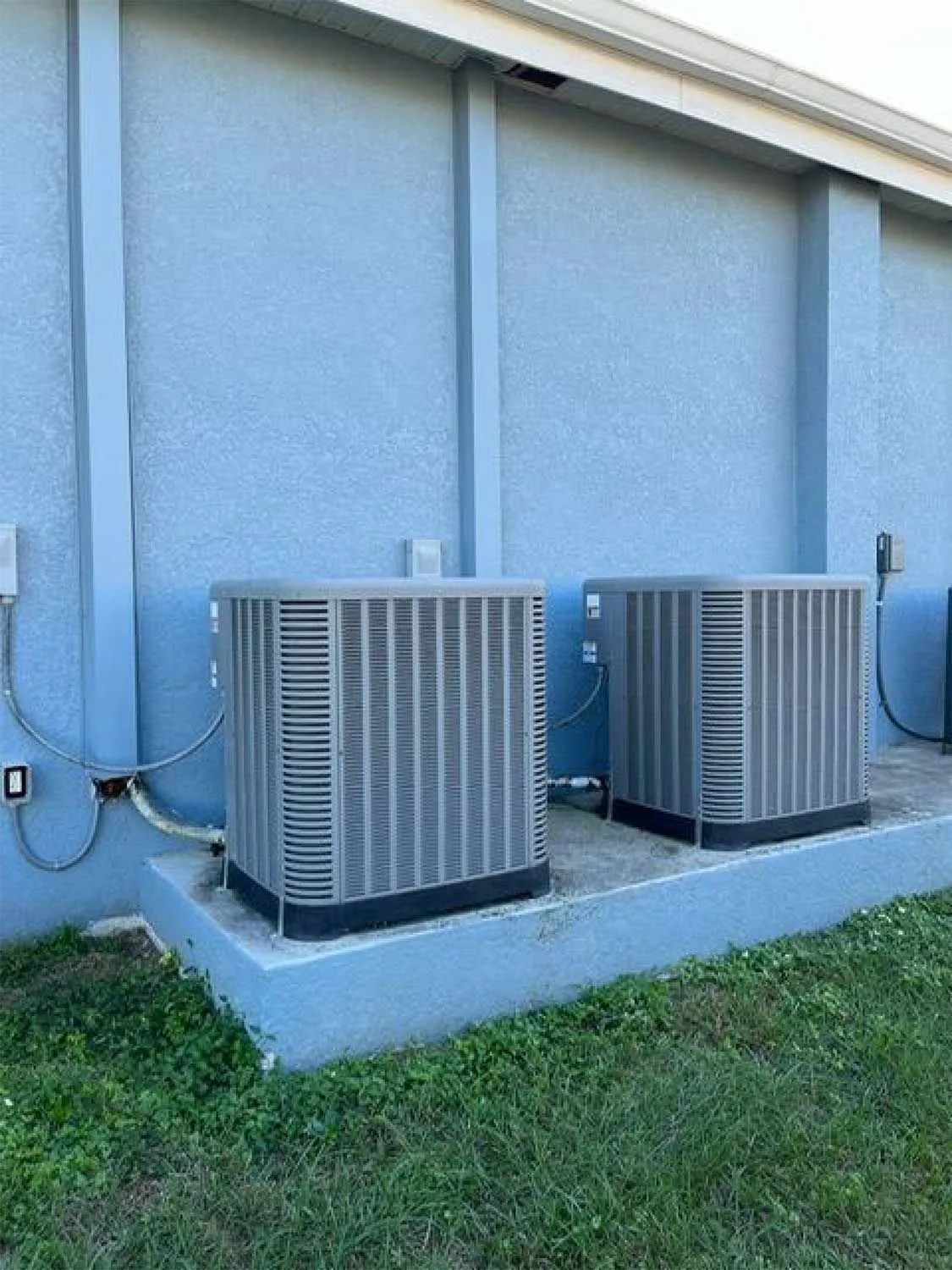
Rooftop Unit Replacement
Aging units replaced with minimal disruption, including crane scheduling, curb adaptation, and controls integration. We plan the outage window around your trading so the interruption stays as short as possible.
AGREEMENTS
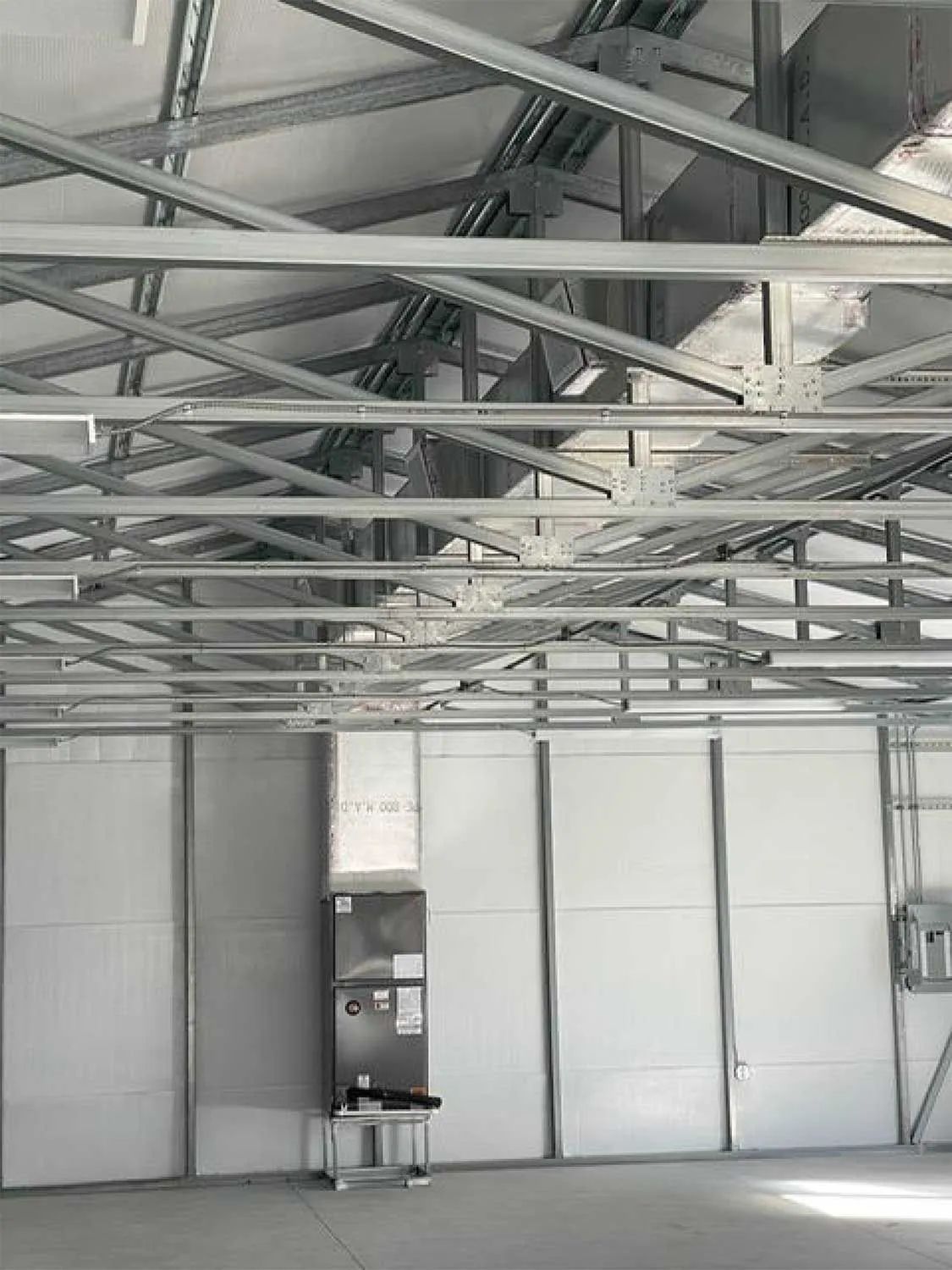
Planned Maintenance Agreements
Scheduled visits per unit across the year, covering filters, coils, belts, economizers, refrigerant, electrical, and controls. Frequency is set by equipment type and duty rather than by a single standard.
INSPECTIONS
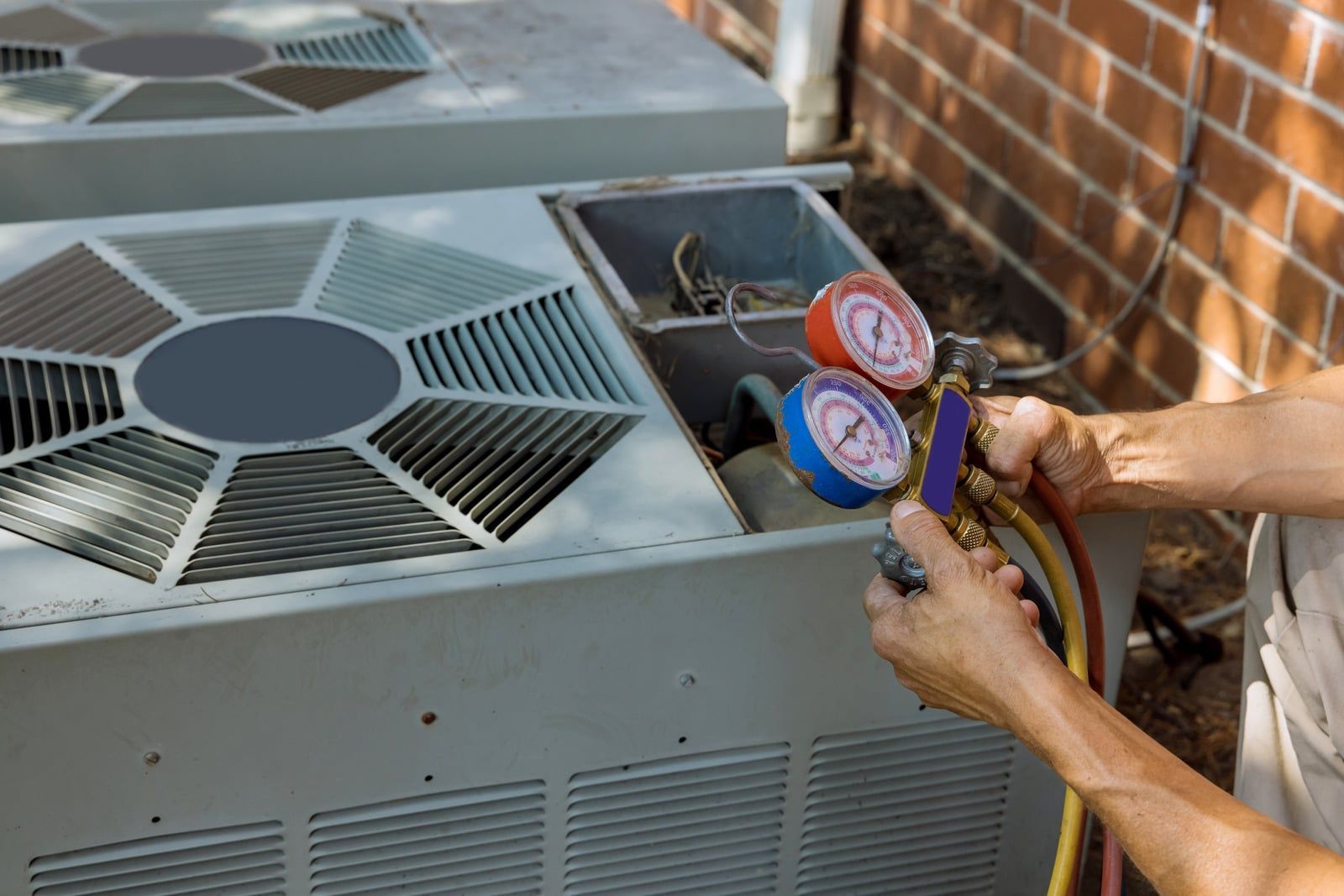
Fleet Condition Surveys
Every unit inspected, tagged, and reported with its age, condition, and expected remaining life. That survey becomes the basis for a replacement plan rather than a series of surprises. Photographs of each unit are included in the report.
CONTROLS
Controls and Economizer Service
Economizers, sensors, and staging logic get calibrated and verified. These are the components most often ignored, and they quietly waste more energy than almost anything else on a rooftop. Mixed air temperatures are measured rather than assumed.
FILTERS
Filter and Consumables Programs
Filter changes on a documented schedule matched to each unit's duty, typically quarterly. Consistent replacement protects coils, preserves airflow, and removes one more thing from your facilities checklist. Sizes and grades are recorded per unit.
THE WORD ON OUR WORK
WHAT OUR CLIENTS SAY.
Maintenance accounts do not generate dramatic reviews, which is rather the entire point of them. What facility managers write about instead is consistency, paperwork that arrives without anyone chasing it, and several years passing without a single emergency callout during a summer heat wave.
Common Questions
frequently asked
questions.
These questions come up whenever we sit down to discuss an agreement with a new commercial customer. Ask us about anything else during the site survey itself.
How often should commercial HVAC be serviced?
Quarterly suits most rooftop equipment in this climate, with filters changed at each visit. Heavy-duty applications such as kitchens often need more frequent attention, and light-duty office units sometimes less.
What does a maintenance agreement include?
Scheduled visits per unit covering filters, coil cleaning, belts, bearings, economizer calibration, refrigerant checks, electrical testing, and controls verification. Every visit produces a documented report of readings and findings. Anything beyond scope is quoted separately for approval.
Can maintenance be done outside business hours?
Yes, and that is how many of our accounts run. Evening, overnight, and weekend visits avoid disrupting trading, and the schedule is agreed in advance rather than arranged each time.
How long do commercial rooftop units last?
Typically 15 to 20 years under a structured maintenance program, and considerably less under reactive service alone. Duty cycle, exposure, and filter discipline all shift that figure noticeably. We track each unit so timing is never a guess.
Do you install as well as maintain?
Yes. Mission Air Services, Inc. handles commercial installation and replacement across Plant City, FL, including load assessment, curb work, controls integration, and commissioning with documented readings on completion. Most accounts eventually want both from one contractor.
How do you handle a site with many units?
Each unit is tagged and tracked individually with its own service history and condition report. That inventory is what turns replacement planning into a budget line rather than an emergency.
Will maintenance reduce our energy costs?
Usually, and often more than expected. Fouled coils, slipping belts, incorrect charge, and miscalibrated economizers each waste energy continuously, and correcting them shows up on the meter. We record the readings so the improvement is visible rather than claimed.
What happens if a unit fails between visits?
Agreement customers receive priority dispatch around the clock, 7 days a week. The service history also means the technician arrives already knowing the unit rather than starting from nothing. Repairs under an agreement are also discounted.
We Finalize Your Order
STEP 04
Once you choose a product, we confirm every specification, from swing direction to hardware preparation, before placing the order, so the door that arrives matches what was actually agreed upon.
HOW WE WORK
FROM SITE SURVEY TO A MANAGED FLEET, HERE IS HOW.
STEP 01
WE SURVEY EVERY UNIT
Each piece of equipment is located, tagged, photographed, and assessed for age and condition. Nothing gets covered by an agreement before we know exactly what we are taking on. The survey itself costs you nothing at all.
STEP 02
WE UNDERSTAND THE OPERATION
What each space is used for, when it must be comfortable, what cannot be interrupted, and any compliance requirements. That shapes both service frequency and when visits can realistically happen. Access arrangements are agreed in writing at the same time.
STEP 03
WE PROPOSE A SCHEDULE
Visit frequency per unit, scope of each visit, and pricing all appear in writing. Heavier-duty equipment gets more attention, and we explain why rather than applying one flat standard. Nothing is bundled in that your equipment does not need.
STEP 04
WE SERVICE ON THE PLAN
Visits happen on the agreed calendar, at the agreed hours, covering the agreed scope. Nobody on your side needs to remember to book anything or chase us for a date. We confirm each visit in advance so nobody is caught out.
STEP 05
WE REPORT AFTER EVERY VISIT
Readings, findings, work carried out, and anything worth watching go into a written record per unit. Repairs beyond scope are quoted separately rather than added quietly to an invoice. Copies stay on file with us in case anything needs revisiting.
STEP 06
WE PLAN REPLACEMENTS AHEAD
Condition tracking shows which units are approaching the end of their working life. That gives you time to budget and schedule replacement instead of reacting to a failure in August. Capital planning becomes a conversation rather than an emergency.