HVAC PREVENTIVE MAINTENANCE
HVAC PREVENTIVE MAINTENANCE IN Plant City, FL.
Nearly every emergency call we handle started as a small issue that went unnoticed. Mission Air Services, Inc. provides HVAC preventive maintenance throughout Plant City, FL, Lakeland, and Polk County, helping catch worn parts before they lead to costly breakdowns. Membership includes two maintenance visits per year and 15% off repairs. Licensed under CAC1820450. Book your service through our contact page.
MAINTENANCE IS CHEAPER THAN EVERYTHING IT PREVENTS.
A capacitor costs a fraction of a compressor. A cleared drain line costs a fraction of a ceiling repair. Almost every expensive HVAC failure has a small, visible precursor that shows up months earlier on a gauge or a meter. Regular service exists to catch those, and the arithmetic works out in your favor almost every single year.
There is a comfort argument too. A maintained system holds temperature and humidity steadily, which is the difference between a house that feels cool and one that merely reads cool.
- Full tune-up, not a 5-minute glance
- Written findings after every visit
- Members jump the queue in peak season
- Member repairs discounted, all work licensed and certified
Quality doors from established manufacturers hold their finish and function longer than budget alternatives, which means fewer repairs and replacements over the life of your home. That durability protects the money you put into the purchase.
Long Term Value
HVAC PREVENTIVE MAINTENANCE
THE SYSTEM YOU IGNORE IS THE ONE THAT QUITS FIRST.
Equipment does not fail suddenly so much as it fails gradually and then announces it suddenly. Refrigerant drifts low over years, not overnight. Coils foul a layer at a time. Contactor points pit slowly until one hot afternoon they weld shut. Maintenance is simply the practice of measuring those slow changes often enough to act before the announcement, and it is the single cheapest thing a homeowner can do.
FL RUNTIME AGES EQUIPMENT FASTER THAN THE CALENDAR DOES.
A system here may log twice the annual operating hours of the same model in a cooler state. That compresses every wear curve: bearings, capacitors, contactors, and coil surfaces all reach their limits sooner. Add year-round humidity, salt-laden air, pollen loads, and afternoon storms, and the case for 2 visits a year rather than 1 stops being a sales position and starts being basic arithmetic.
THE CALLS WE PREVENT NEVER MAKE THE SCHEDULE.
Over 20+ years we have built our checklist backward, working from the failures we kept being called out to fix. Condensate backups, welded contactors, low charge from slow refrigerant leaks, and blower wheels loaded with dust account for most summer emergencies here, so those are exactly what we inspect and correct on a maintenance visit. It is not glamorous work, and that is rather the point of it.
WHAT REGULAR MAINTENANCE PROTECTS
A LONGER EQUIPMENT LIFESPAN
Systems that get serviced twice a year routinely reach the upper end of their expected life. Deferred maintenance is the most common reason a unit dies years earlier than it should have.
LOWER POWER BILLS EVERY MONTH
Dirty coils, low charge, and restricted airflow all force the system to run longer for the same result. Correcting them returns efficiency you are already paying for but not receiving.
FEWER EMERGENCY BREAKDOWNS
The majority of peak-season failures show warning signs at a routine visit. Finding them in April, on a scheduled appointment, costs a great deal less than finding them in July at midnight.
WARRANTY COVERAGE THAT STAYS VALID
Most manufacturers require documented annual service before they will honor parts coverage. Keeping records of professional maintenance protects the claim you would otherwise be told, at the worst moment, that you had forfeited.
STEADIER COMFORT THROUGH THE HOUSE
Correct charge and clean airflow keep temperature and humidity even. Rooms that had begun drifting warm in the afternoon usually settle back into range once the system is properly serviced.
SAFER OPERATION YEAR ROUND
Inspection catches scorched wiring, cracked heat exchangers, leaking gas connections, and failed safety switches. Each of these is rare on its own, and each is exactly the sort of problem nobody wants discovered by accident.

WHAT WE INSPECT
OUR HVAC MAINTENANCE WORK.
Every visit follows a fixed checklist so nothing depends on memory. Cooling and heating sides each get their own sequence, and we adjust the emphasis depending on the season you booked.
COOLING SIDE
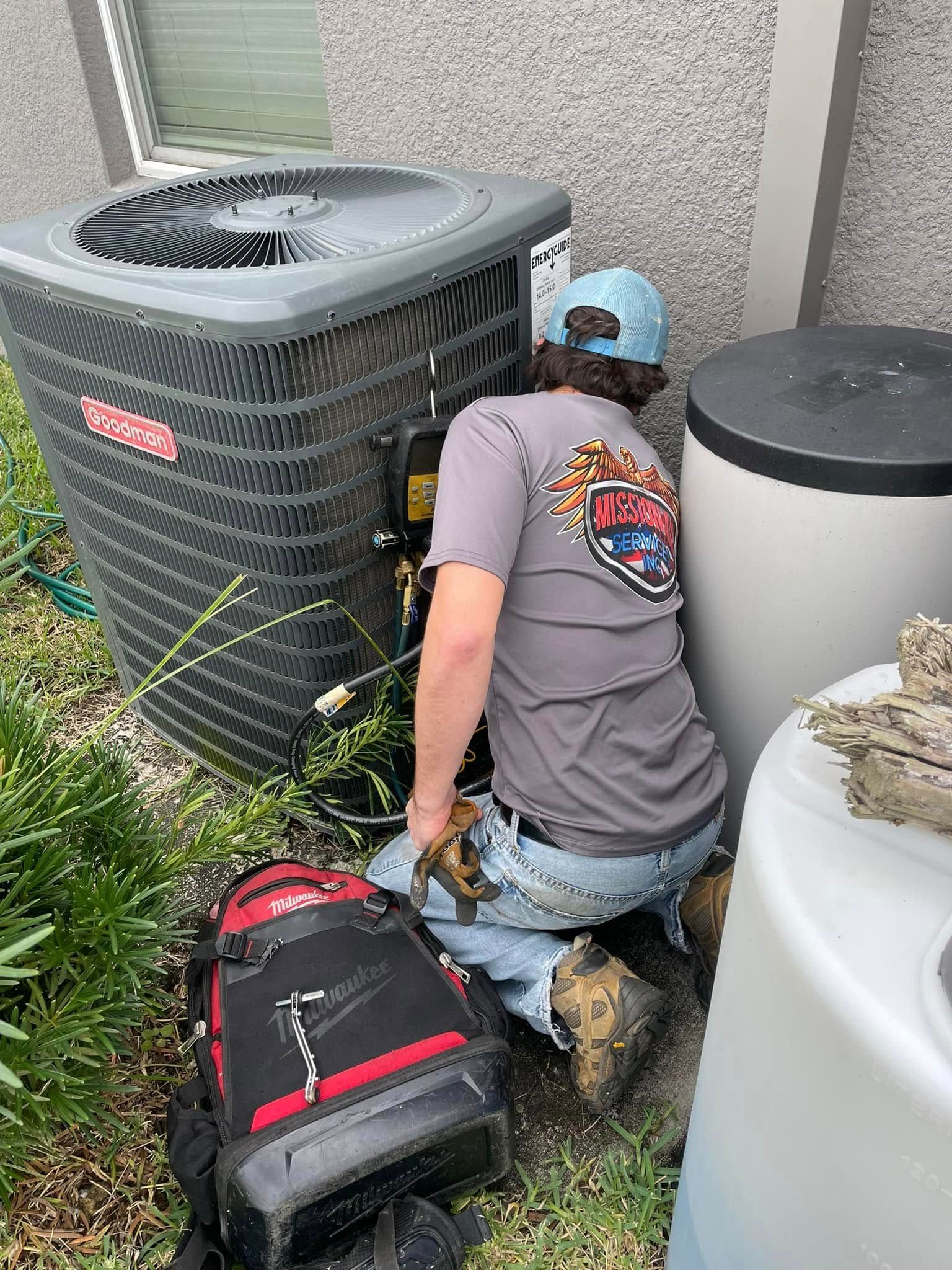
Cooling System Tune-Ups
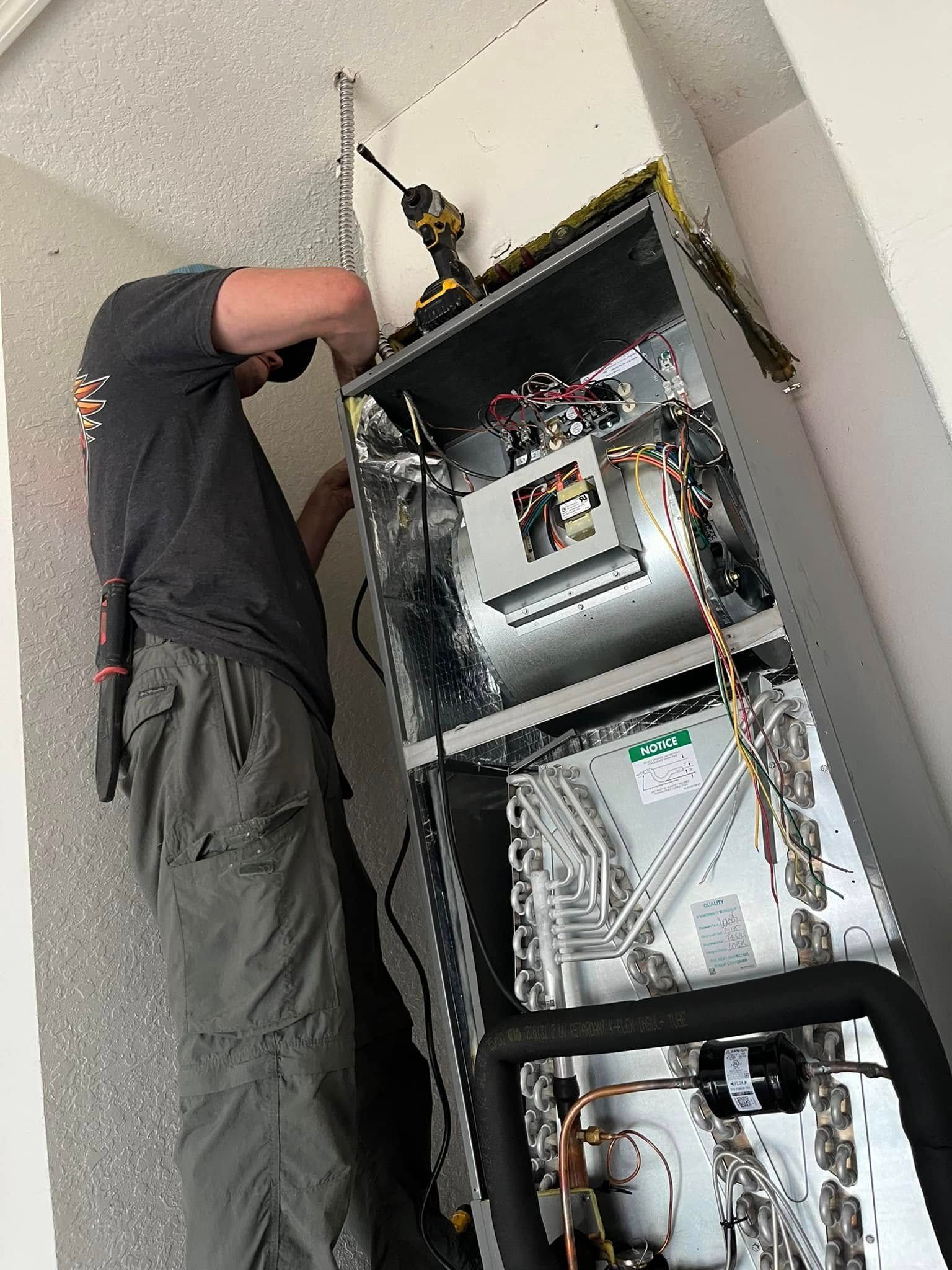
Coils cleaned, refrigerant charge and operating pressures checked, evaporator air temperatures measured, condensate line cleared, and temperature differential verified. These are the readings that tell us whether the system is actually performing to specification.
HEATING SIDE
Heating System Inspections
Burners cleaned, heat exchanger inspected for cracks, gas connections tested for leaks, heat strips checked, air temperature rise measured, and fan belts examined. Heat pumps also get their defrost cycle tested.
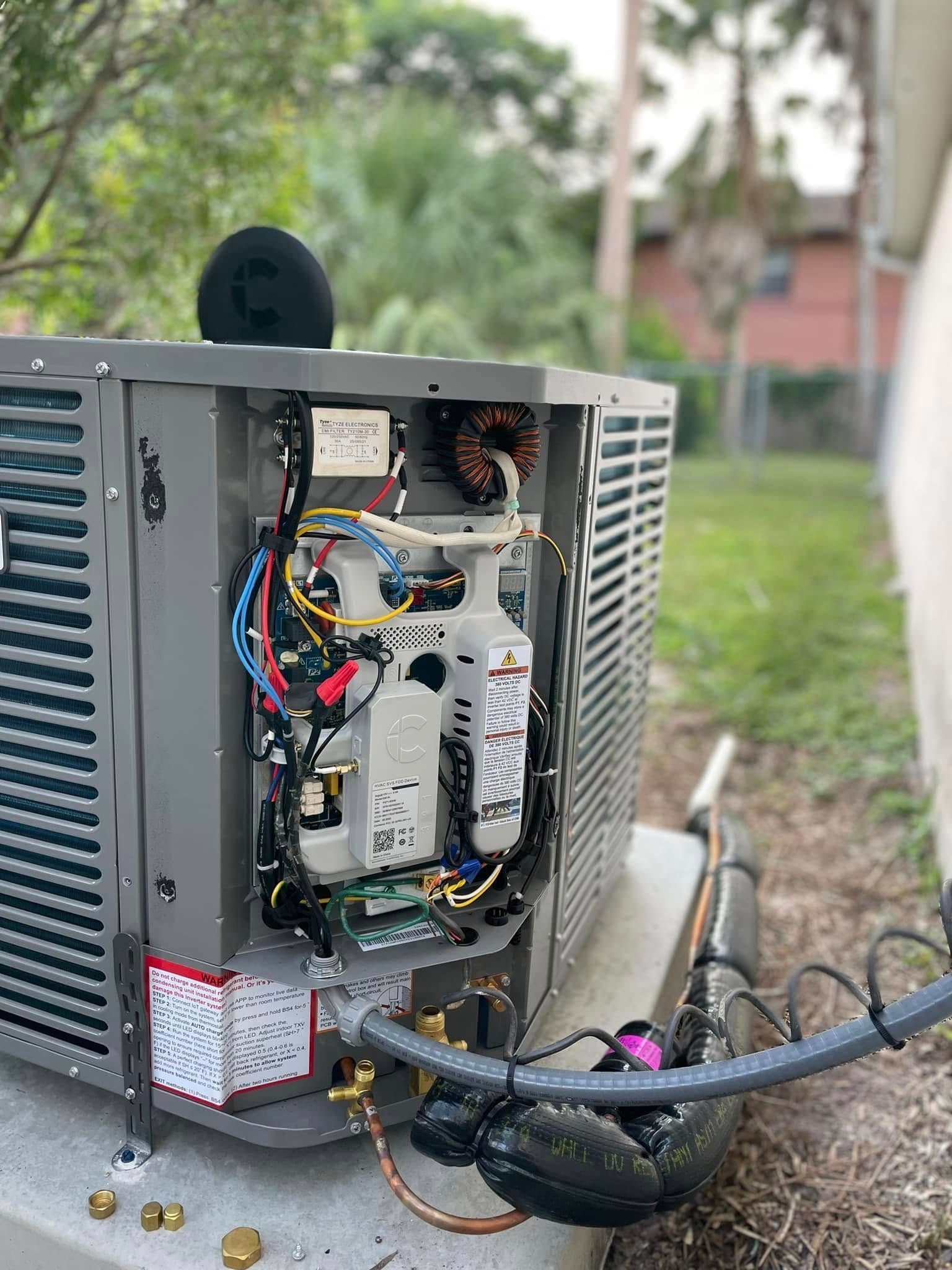
ELECTRICAL
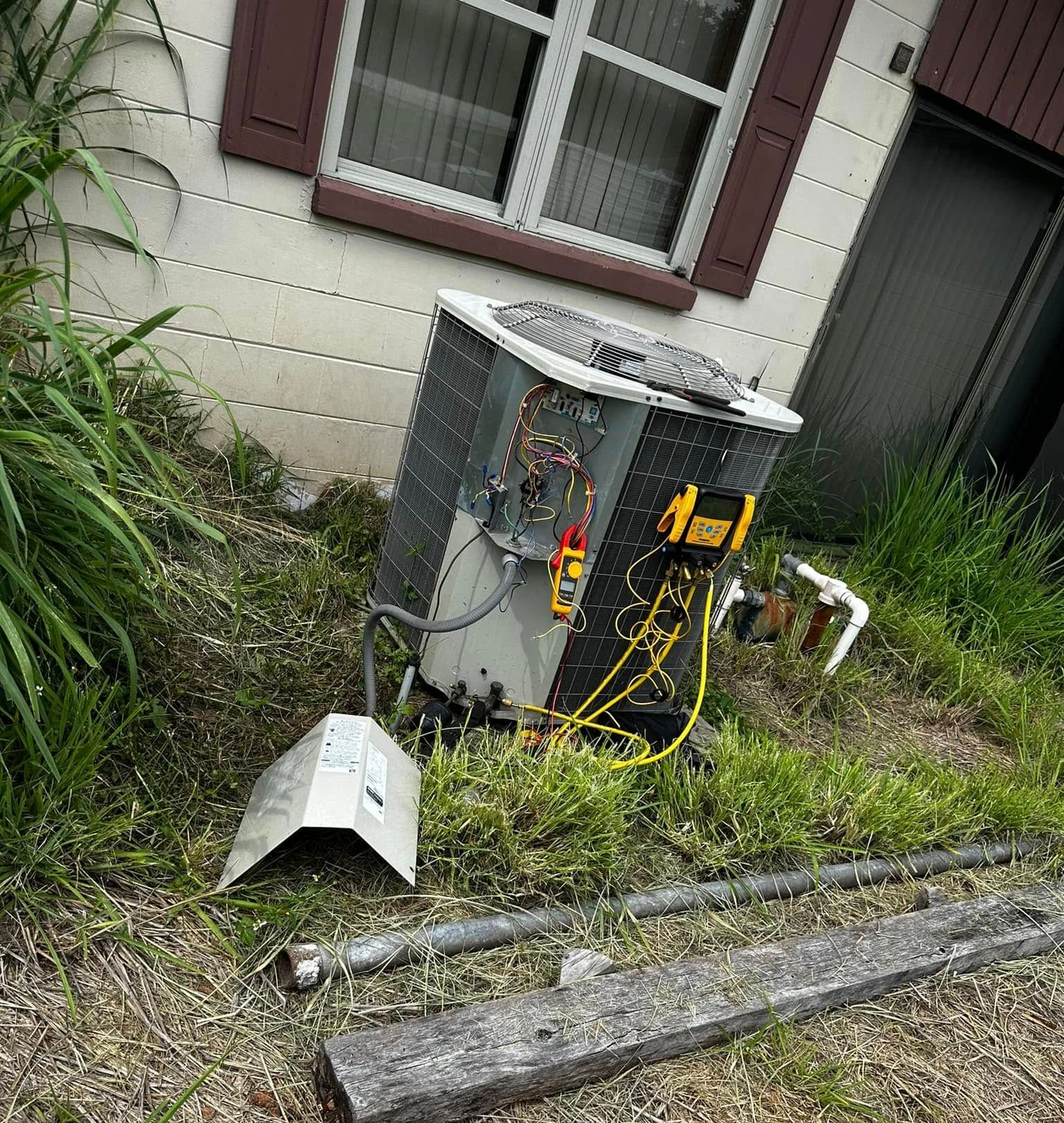
Electrical and Control Checks
Wiring and connections inspected, contactor points examined, and voltage and amp draw measured against nameplate values. Drifting current is one of the earliest signals that a motor or compressor is struggling.
AIRFLOW
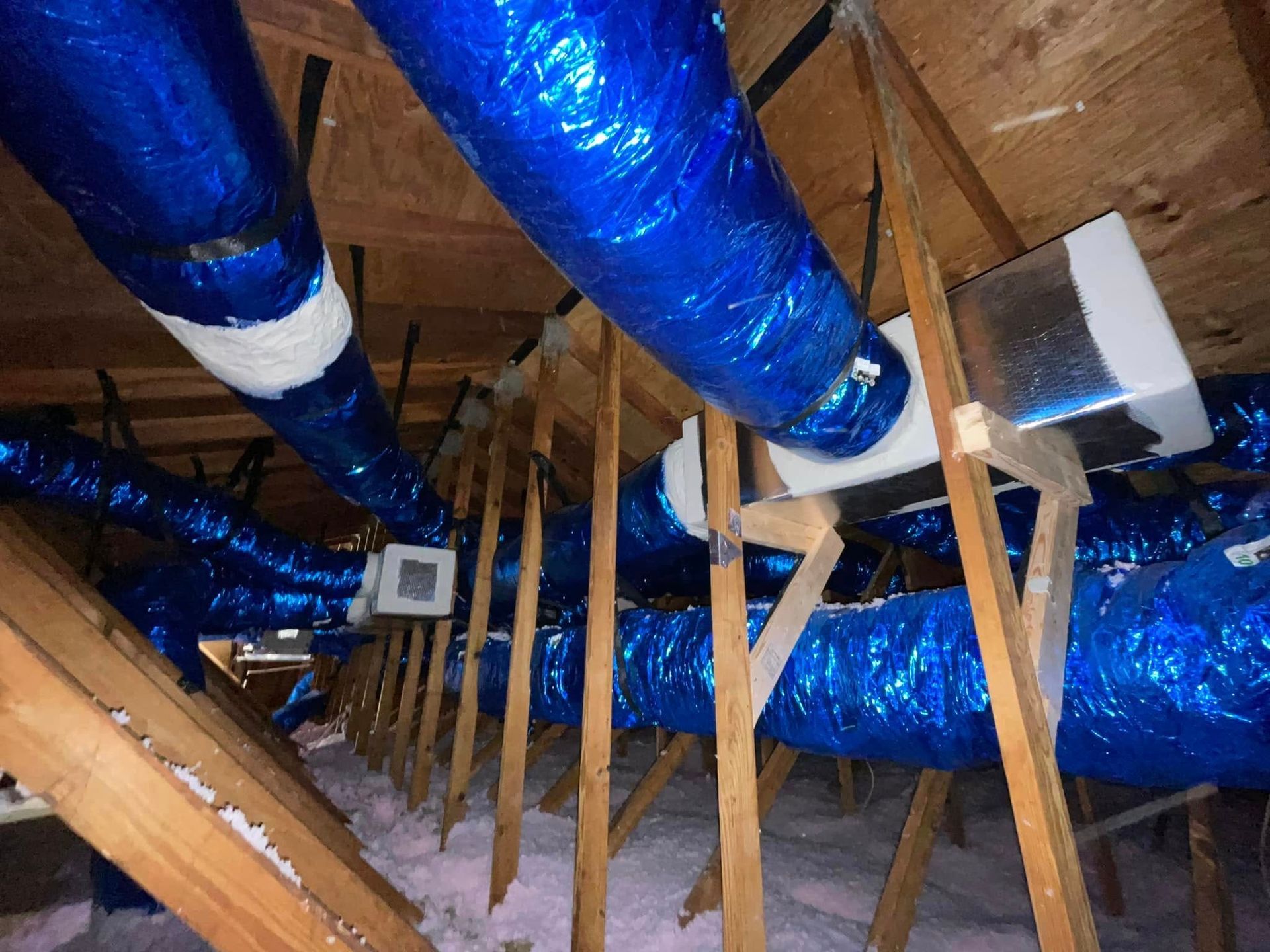
Airflow and Filtration Checks
Filters changed, returns checked for restriction, blower wheel condition assessed, and static pressure noted. Airflow problems masquerade as almost every other fault, so ruling them out early saves diagnostic time and money later.
DRAINAGE
Condensate System Service
The drain line is flushed, the pan checked for standing water and corrosion, and the safety switch tested. In this climate a blocked drain is the fastest route to water damage indoors.
REPORTING
Written Performance Reports
You get a plain summary of every reading, anything that needs watching, and anything that needs fixing, with no obligation to act. Repairs, if you want them, come at the member discount.
THE WORD ON OUR WORK
WHAT OUR CLIENTS SAY.
Maintenance customers tend to review us on consistency rather than heroics. The same technician, the same checklist, arriving inside the window promised, twice a year, without ever needing to be chased for an appointment. That steadiness is what the notes below keep describing, and it is what we aim for.
Common Questions
frequently asked
questions.
These questions come up constantly during maintenance visits across the area. If yours is not answered below, raise it while the technician is still standing at the unit.
How often should HVAC maintenance be performed?
Twice a year suits this climate: once before cooling season and once before the cool months. Systems that run nearly year-round accumulate wear faster than an annual visit can reasonably keep ahead of.
What is included in a maintenance visit?
Coil cleaning, refrigerant charge and pressure checks, electrical inspection, amp and voltage readings, condensate flushing, filter replacement, and a full performance evaluation. The heating side adds burner, exchanger, and heat strip checks.
Does maintenance really lower energy bills?
Yes, and often more than people expect. A coil layered with dirt or a charge that has drifted low forces longer run cycles, and those extra minutes appear directly on the monthly statement.
Can I do HVAC maintenance myself?
You can and should change filters and keep the outdoor unit clear of vegetation. Refrigerant pressures, electrical testing, and coil cleaning need gauges, meters, and training that a homeowner would not usually have.
Will maintenance keep my warranty valid?
In most cases it is a condition of the warranty rather than a bonus. Manufacturers routinely ask for service records when a major component fails, and missing documentation is a common reason claims get denied.
When is the best time to schedule maintenance?
Spring for the cooling side and fall for the heating side. Booking ahead of the rush also means better appointment choice, since availability tightens sharply once the first serious heat wave arrives.
Is a maintenance plan worth the cost?
For most households, yes. The Mission Air Membership Club covers 2 visits, 15% off repairs, and priority scheduling for Plant City, FL customers, which usually pays for itself on the first repair.
What happens if you find a problem during maintenance?
We show you the reading, explain what it means, and quote the correction. Nothing gets repaired without your approval, and there is no pressure if you would rather monitor it for now.
We Finalize Your Order
STEP 04
Once you choose a product, we confirm every specification, from swing direction to hardware preparation, before placing the order, so the door that arrives matches what was actually agreed upon.
HOW WE WORK
FROM ARRIVAL TO WRITTEN REPORT, HERE IS HOW.
STEP 01
WE ASK BEFORE WE OPEN ANYTHING
The visit begins with a conversation. Any room that runs warm, any noise that started recently, any change in the bill: those details tell us where to look harder than the checklist alone would.
STEP 02
WE INSPECT THE OUTDOOR UNIT
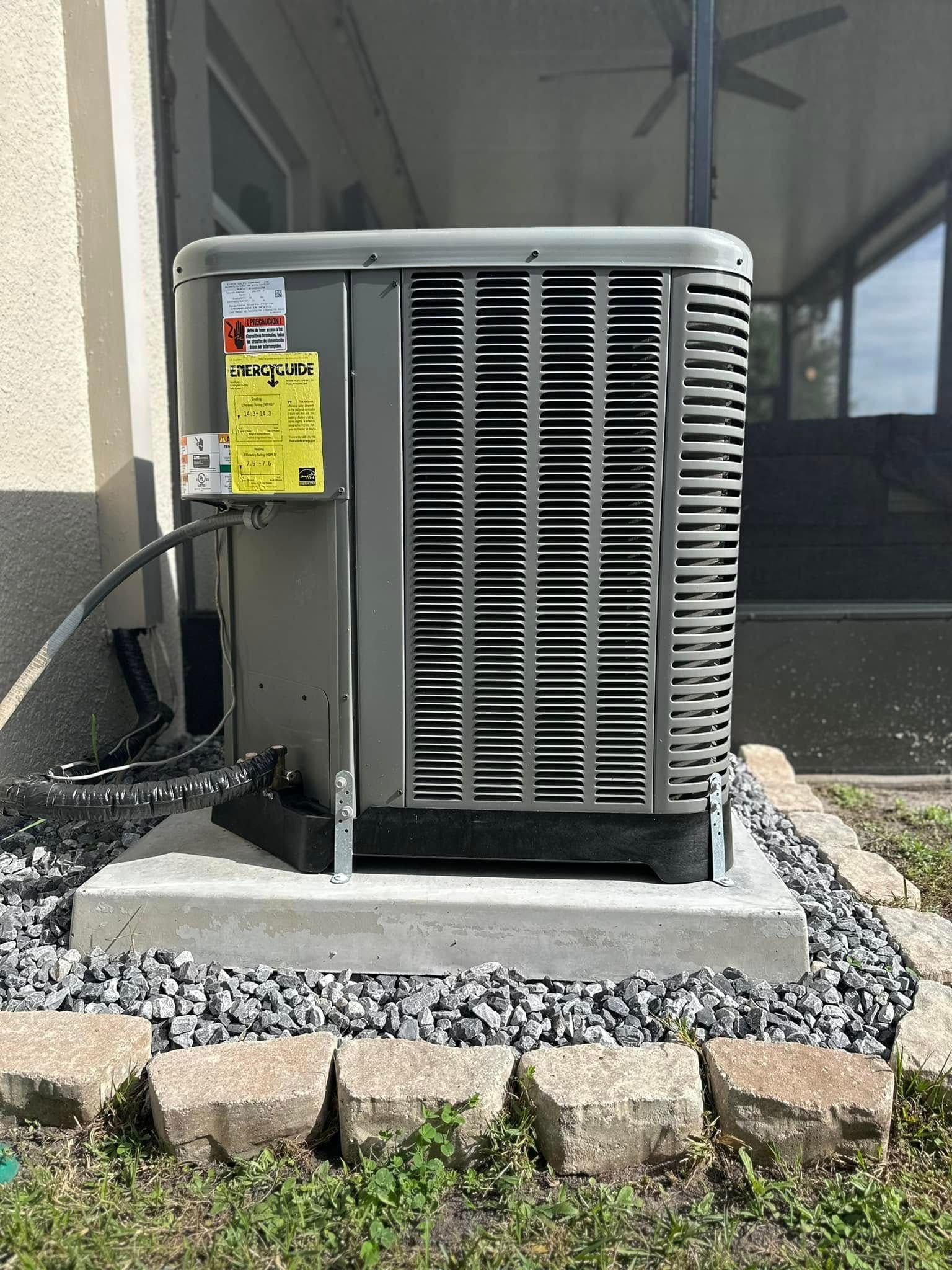
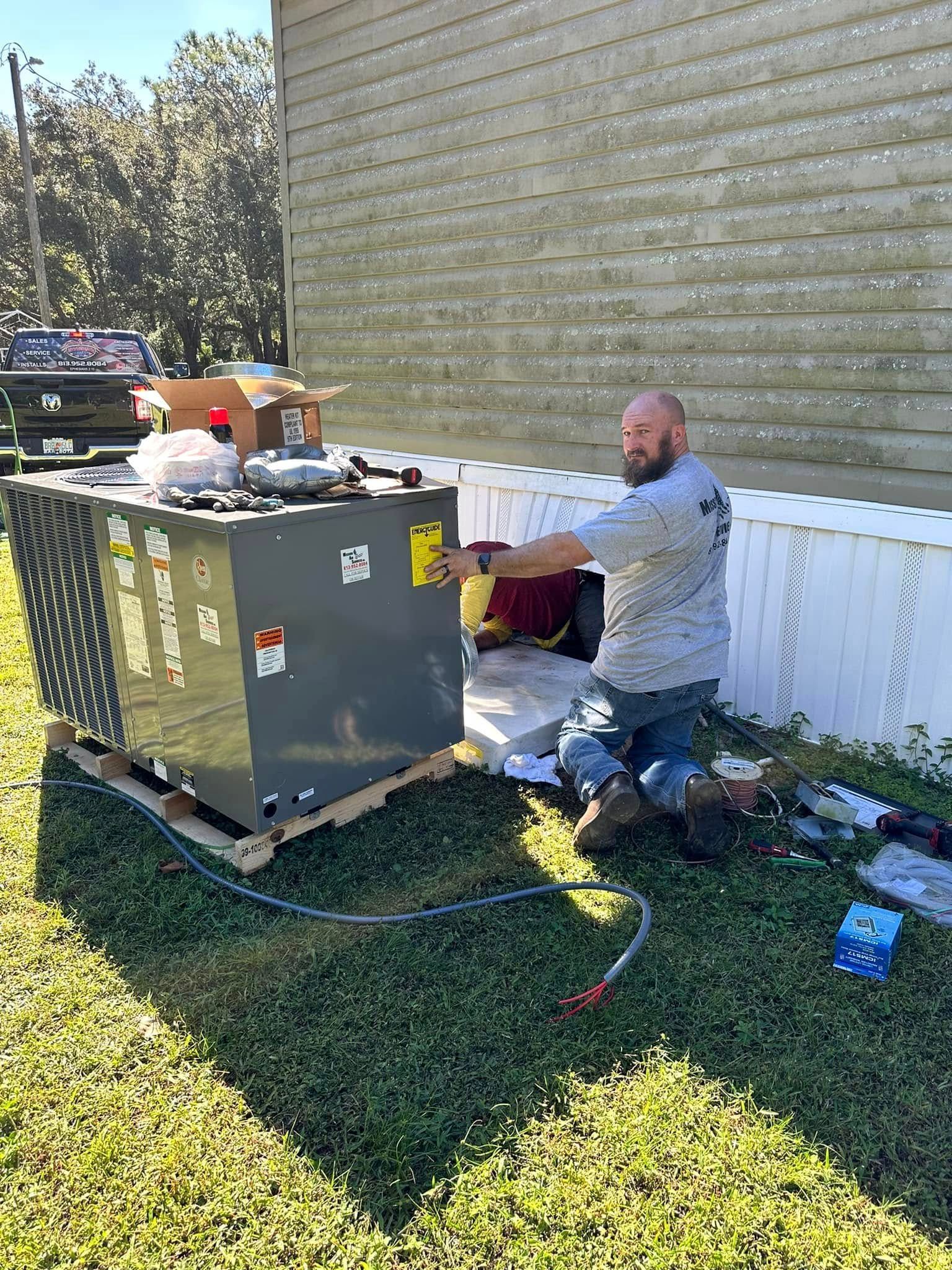
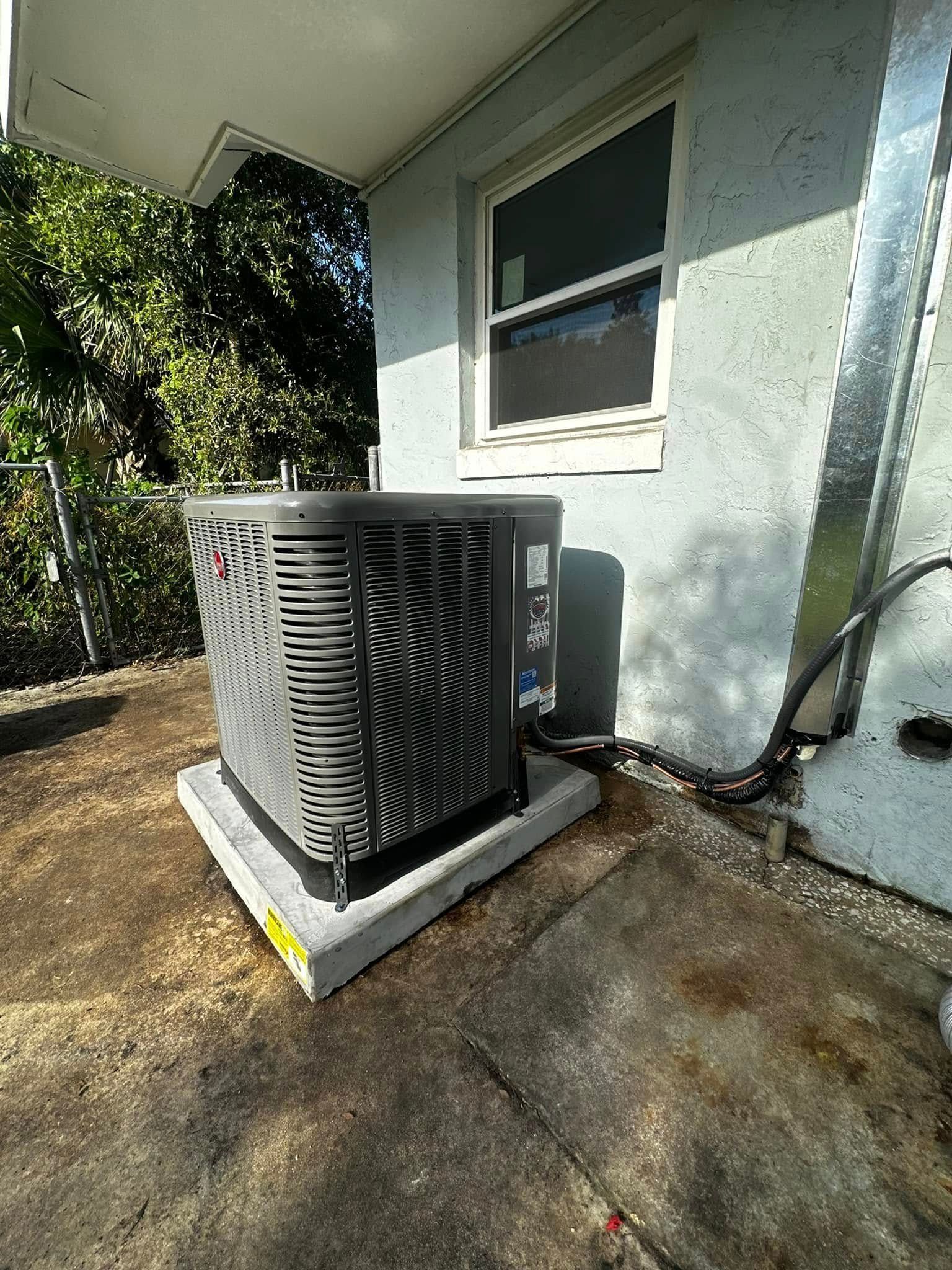
Condenser coil cleaned, fan and motor checked, disconnect and wiring inspected, and refrigerant operating pressures read. Vegetation, irrigation overspray, and pad settlement all get noted and photographed while we are out there. Small corrections happen there and then, at no extra charge.
STEP 03
WE SERVICE THE INDOOR EQUIPMENT
Evaporator coil cleaned, blower assessed, filter replaced, and the drain pan and line flushed and tested. Temperature differential across the coil confirms whether the system is moving heat as designed. Access panels are resealed properly rather than left loose.
STEP 04
WE MEASURE THE ELECTRICALS
Voltage, amp draw, capacitor values, and contactor condition are all recorded and compared against the nameplate figures. Components drifting toward their limits get flagged now rather than after they have stranded you. Those numbers go into your file for comparison next time.
STEP 05
WE TEST THE HEATING SIDE
Heat strips, burners, exchanger integrity, and temperature rise are all verified, and heat pumps run through a defrost cycle. Nothing here matters until January, which is exactly why it gets skipped elsewhere. Finding a fault in October is far better than January.
STEP 06
WE WRITE IT ALL DOWN
You receive a record of every reading taken, a note on anything trending the wrong way, and a clear recommendation. No decisions get made for you, and nothing is ordered without your say-so.