HEATING INSTALLATION
HEATING INSTALLATION IN Plant City, FL.
Specifying heat for a FL house is a genuinely different problem from specifying it anywhere further north. Mission Air Services, Inc. handles heating installation across Plant City, FL, Lakeland, and Riverview, matching equipment to a season lasting weeks rather than months. Permits handled, financing available, NATE-certified crews licensed under CAC1820450, and free written estimates on our contact page.
HEAT HERE IS A SHORT SEASON, AND THAT CHANGES EVERYTHING.
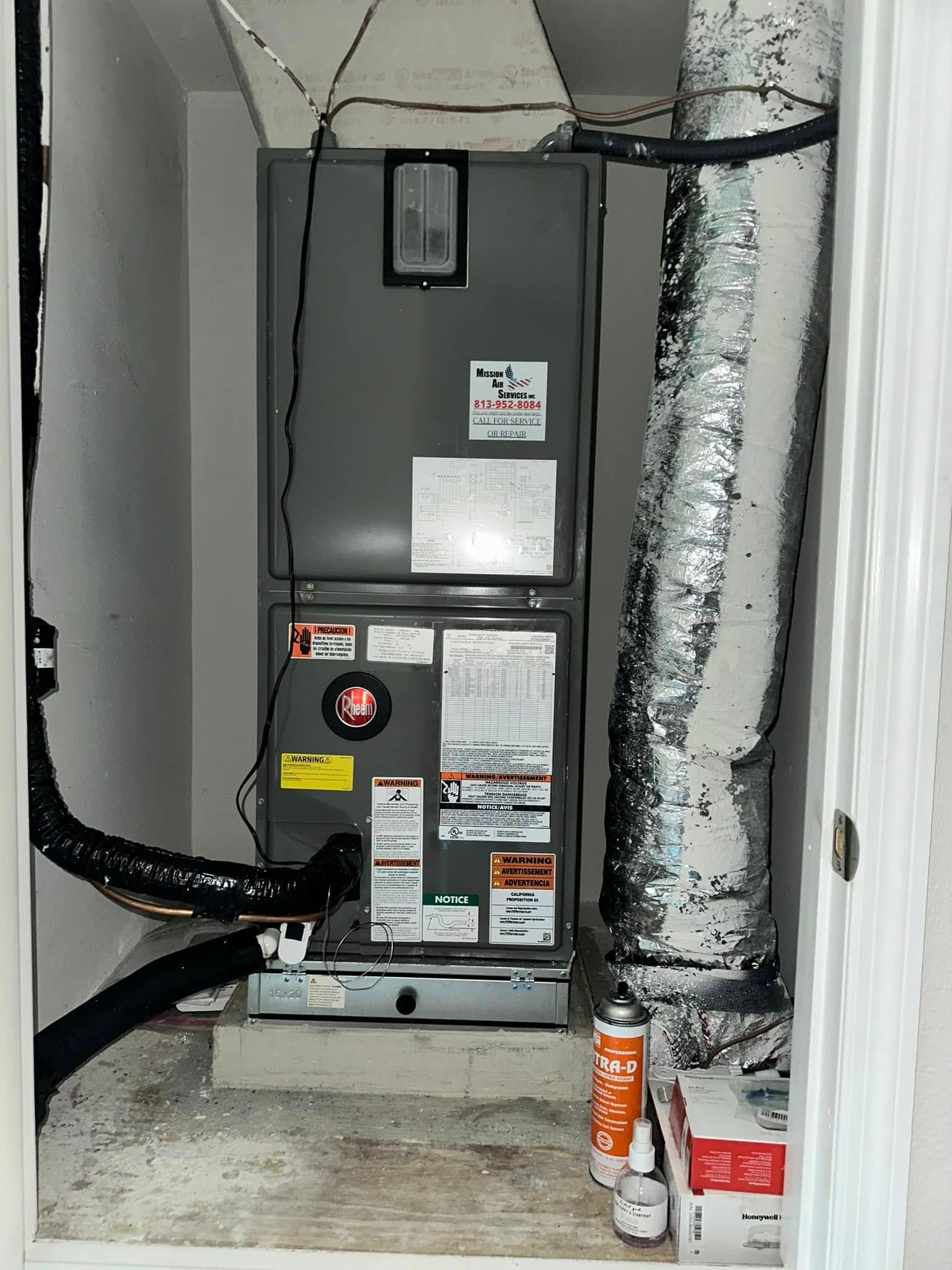
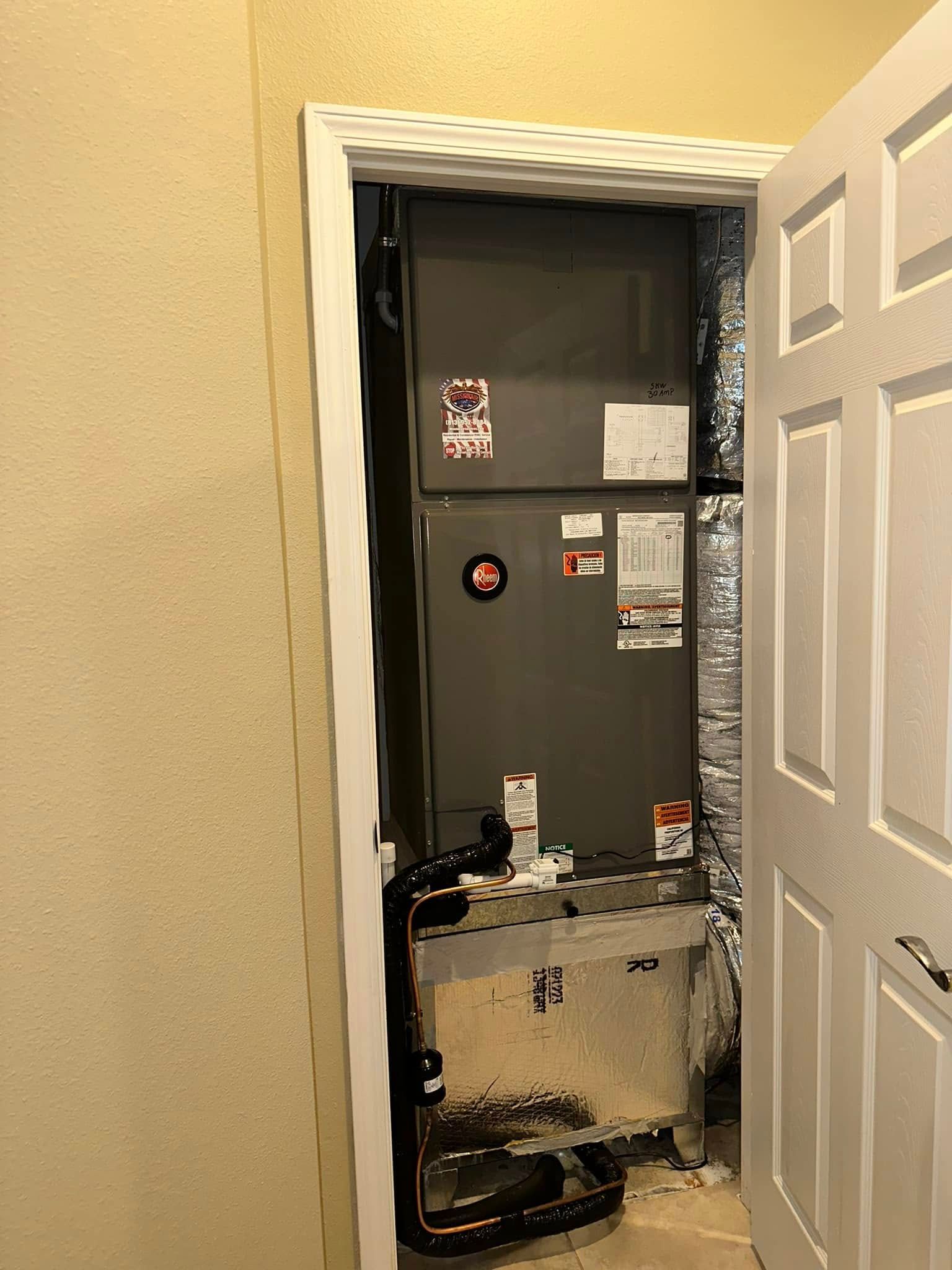
A furnace sized for a northern winter is an expensive answer to a problem this region does not have. What most homes here need is modest, reliable heat on demand for a handful of cold snaps, delivered by equipment that spends the rest of the year doing something more useful. For most properties, that points squarely at a heat pump with sensible backup rather than a dedicated heating appliance.
We explain the options honestly, including the ones that cost us less to install, because the cheapest sensible answer keeps customers longer than the largest one ever does.
- Equipment matched to the actual heating season
- Heat pump and electric options compared openly
- Permits pulled and inspections coordinated
- Licensed under CAC1820450, temperature rise measured
Quality doors from established manufacturers hold their finish and function longer than budget alternatives, which means fewer repairs and replacements over the life of your home. That durability protects the money you put into the purchase.
Long Term Value
HEATING INSTALLATION
THE BEST HEATING SYSTEM IS USUALLY ALSO YOUR COOLING SYSTEM.
Because a heat pump reverses its refrigerant cycle, one piece of equipment can cover both jobs. That means one installation, one maintenance schedule, one warranty, and no separate appliance sitting idle for most of the year. Backup strip heat covers the rare morning cold enough to need it. For the large majority of homes across this area, that arrangement is simpler, cheaper to run, and easier to maintain.
SPECIFIED FOR THE COLD SNAPS WE ACTUALLY GET.
Design temperatures here are mild, and cold weather arrives in short bursts rather than settling in for months. That changes the sums entirely. Auxiliary heat capacity, balance point, and changeover settings all need choosing for a climate where strips should engage rarely and briefly. Configured badly, backup heat runs far more than it should, and the first winter bill arrives with an unpleasant surprise attached to it.
HEAT GETS SIZED FOR THIS CLIMATE, NOT FOR A CATALOG.
Manufacturer literature is written for a national audience, and following it literally here in central FL tends to produce oversized and expensive installations. Over 20+ years we have learned exactly where those defaults overshoot and where they genuinely matter. The result is equipment that handles our cold weeks comfortably without you having paid for a system designed to survive a Midwestern January that is never going to arrive here.
WHAT A PROPERLY SPECIFIED HEATING SYSTEM DELIVERS
WARMTH WITHOUT AN ALARMING BILL
Correct balance point settings keep expensive strip heat out of the picture except when it is genuinely needed. That single configuration detail makes a large difference to winter running costs.
ONE SYSTEM, TWO JOBS
A heat pump handles cooling and heating on a single set of equipment. That means one service visit, one warranty, and no second appliance quietly aging in the closet unused.
RELIABLE HEAT ON THE DAYS IT MATTERS
Cold fronts arrive with little warning and last a few days. Equipment specified for those conditions responds immediately rather than struggling to catch up over an evening.
EVEN WARMTH THROUGH THE HOUSE
Heat pumps deliver gentler, longer heating cycles than strip heat alone. Rooms warm evenly instead of the house swinging between too cold and uncomfortably dry within an hour.
LOWER MAINTENANCE OVERALL
Fewer pieces of equipment means fewer components to service, inspect, and eventually replace. Consolidating heating and cooling simplifies both the schedule and the long-term cost of ownership.
SAFE, COMPLIANT INSTALLATION
Permits, inspections, correct breaker sizing, and proper gas connections where applicable all get handled. Heating equipment carries safety implications that a cooling-only installation simply does not.
WHAT WE INSTALL
OUR HEATING INSTALLATION WORK.
Heating installations here range from a straightforward heat pump changeover to strip heat upgrades and full gas furnace work. The right answer depends on the property and how the household uses it.
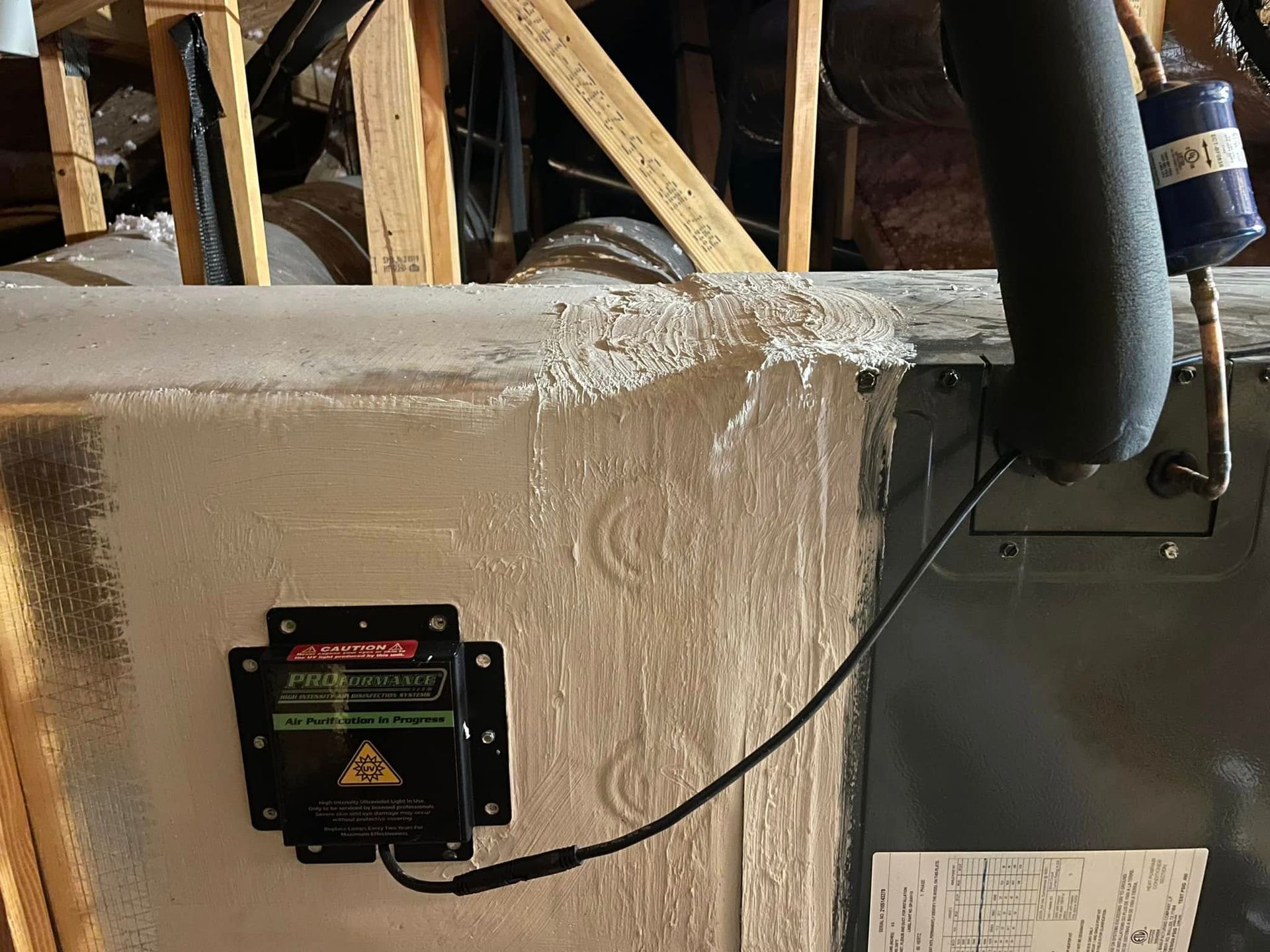
HEAT PUMPS
Heat Pump Heating Systems
The most sensible choice for most homes in this region, covering both seasons on one system. We set balance point and auxiliary lockout carefully so backup heat engages only when genuinely required.
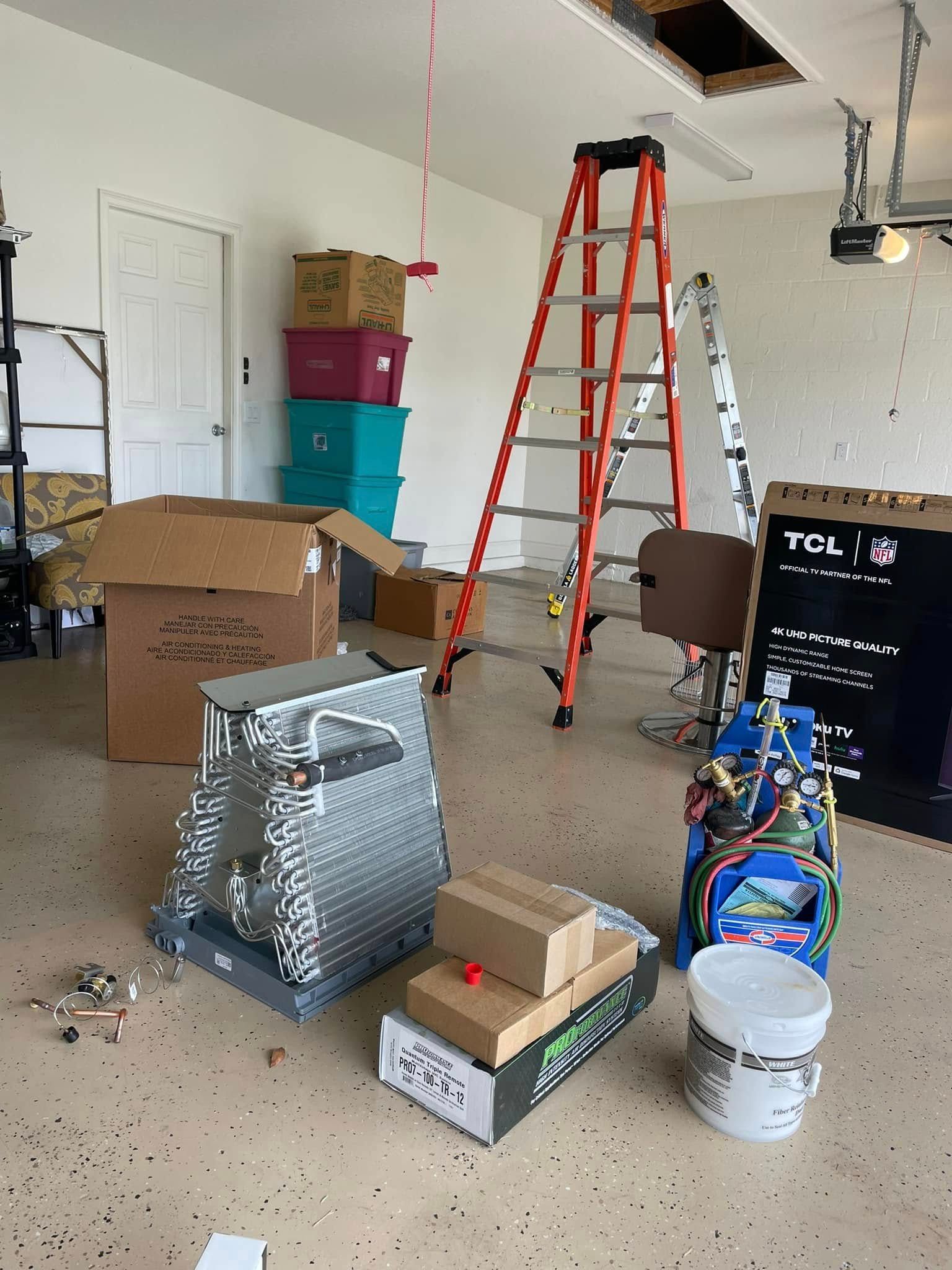
STRIP HEAT
Electric Heat Strip Installation
Strips provide backup or primary heat inside the air handler, sized to the actual load. Correct breaker and wire sizing matters here, and we do not reuse electrical from smaller previous equipment.
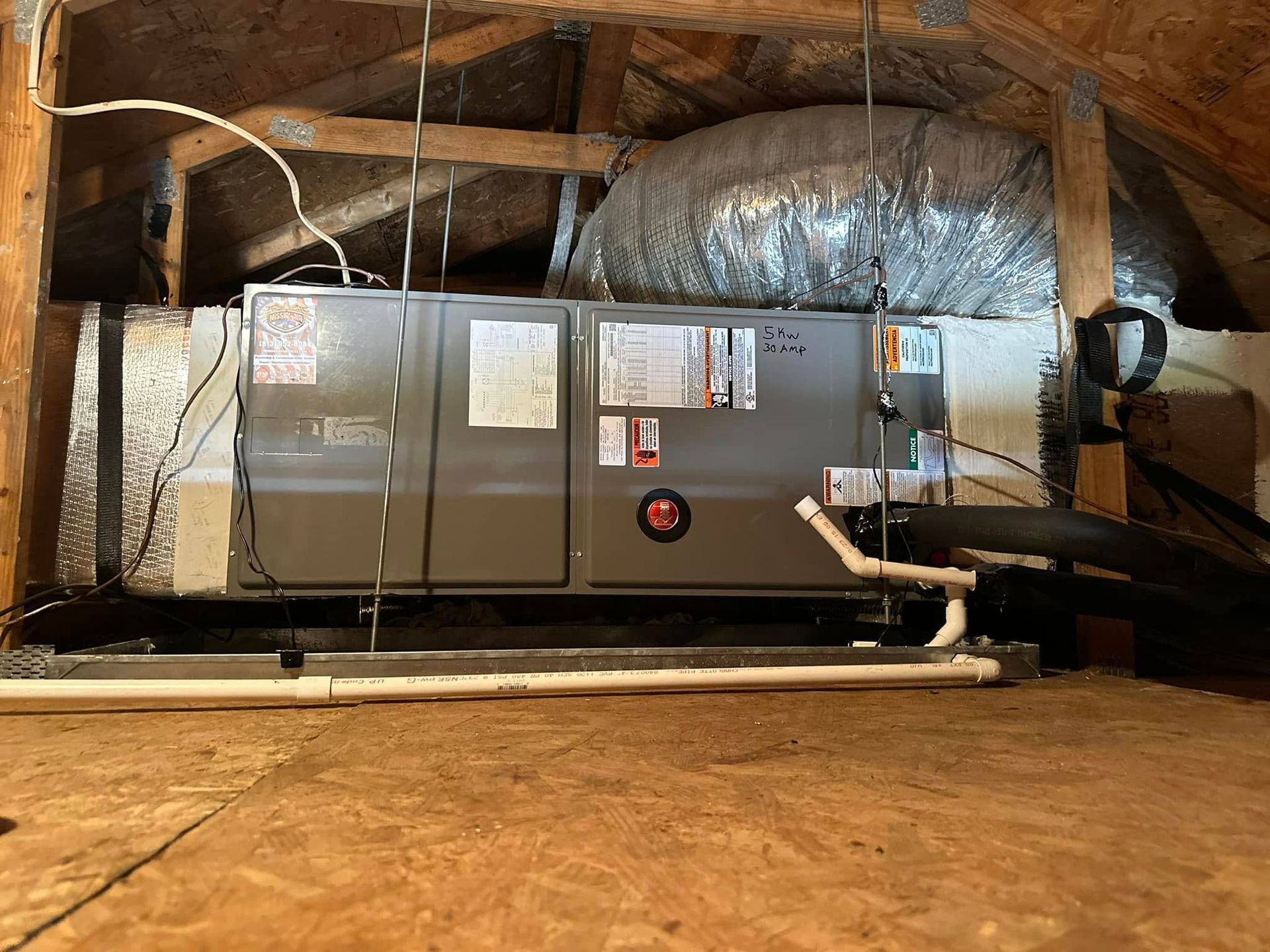
FURNACES
Gas Furnace Installation
Where gas service exists and the household prefers it, we install and commission furnaces properly, including venting, gas connections, combustion checks, and a full safety inspection before handover. Carbon monoxide safety is verified before we hand over.
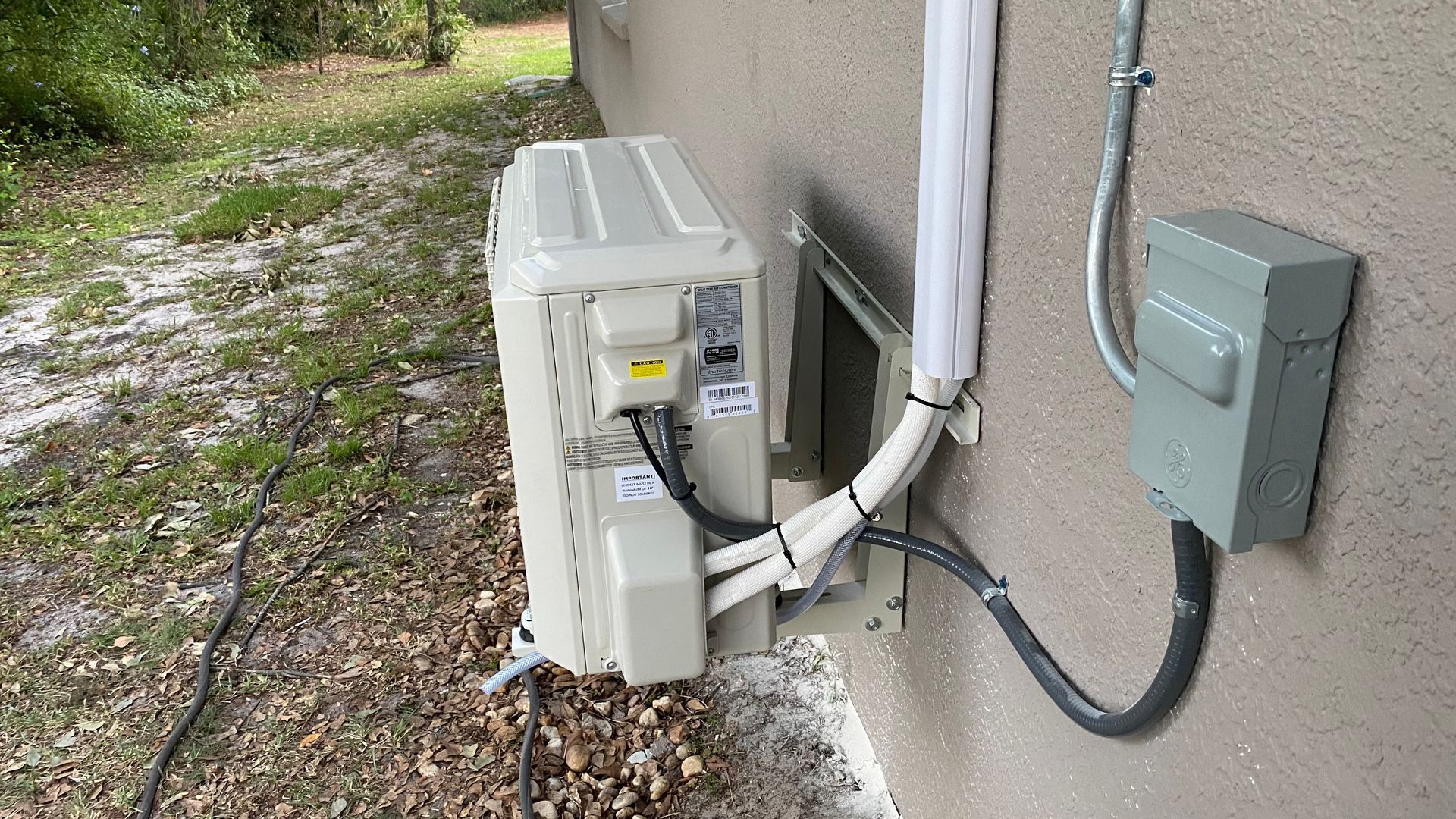
DUCTLESS HEAT
Ductless Heating Solutions
A mini-split head heats as effectively as it cools, which suits additions and converted spaces that have no duct connection and would otherwise rely on a portable heater each winter.
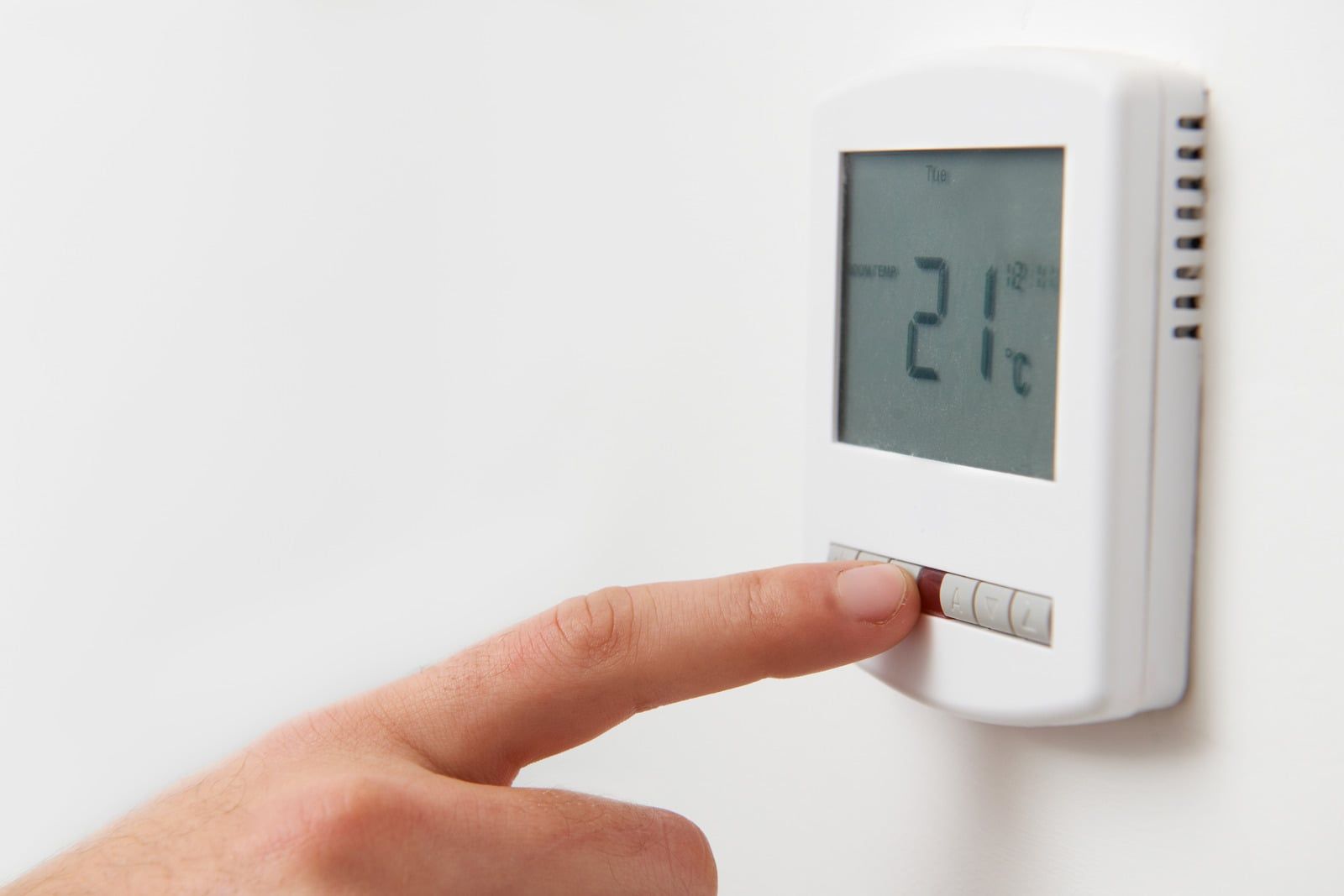
CONTROLS
Heating Control Configuration
Changeover logic, staging thresholds, and auxiliary lockout all get configured to your equipment and this climate. Factory defaults are written for colder regions and cost money here if left alone.
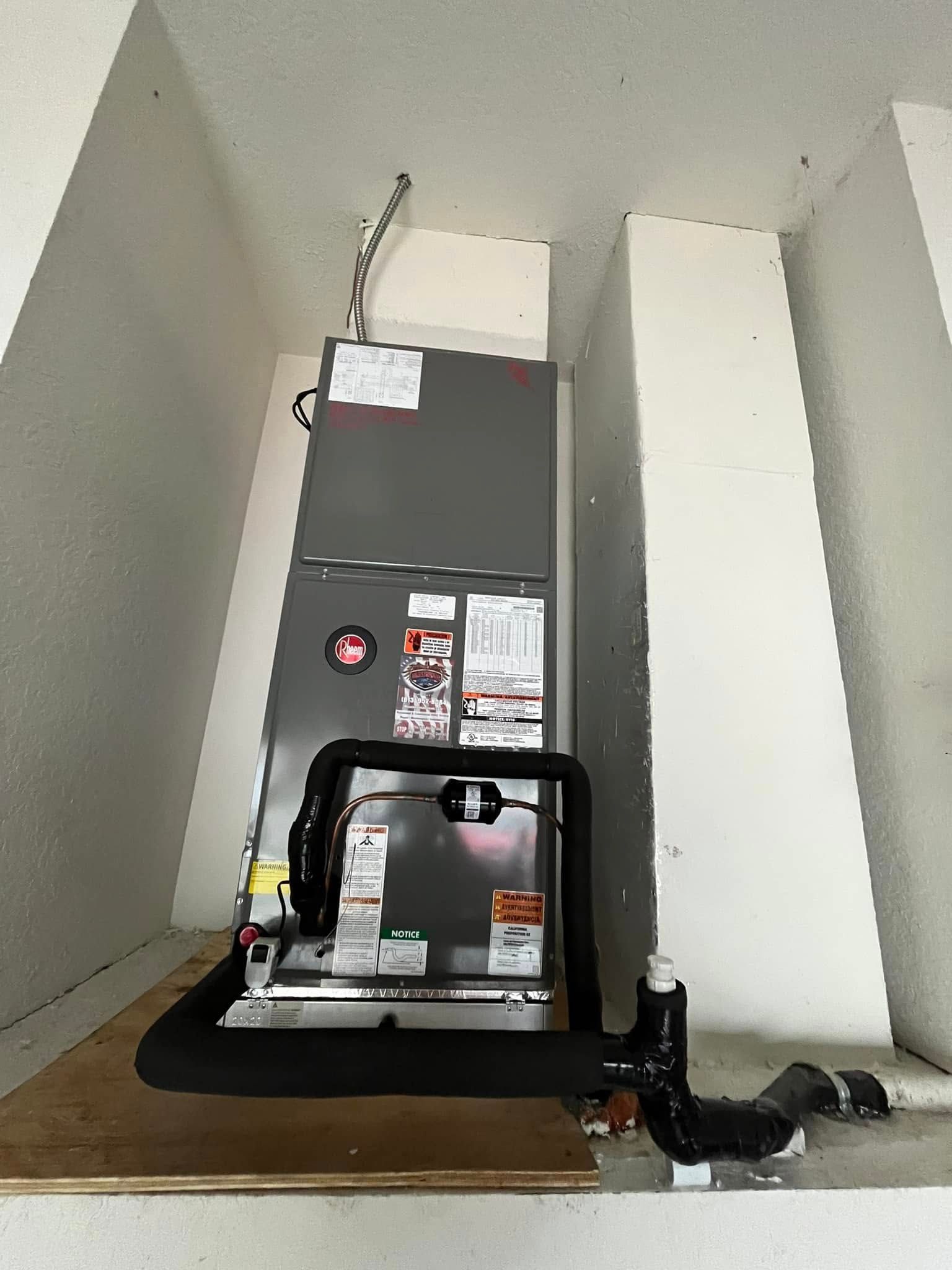
UPGRADES
Heating System Upgrades
Replacing aging strips, adding capacity, or converting from a cooling-only system to a heat pump. We assess what you already own before recommending anything beyond what the property actually needs.
THE WORD ON OUR WORK
WHAT OUR CLIENTS SAY.
Heating installation reviews tend to arrive after the first cold snap rather than after the work. Customers write about the house warming quickly during the week it mattered, and about a winter bill that came in lower than they had braced for.
Common Questions
frequently asked
questions.
These questions come up on nearly every heating installation quote we prepare for a household. Bring anything else that occurs to you along to the site survey visit.
Do I even need a heating system in FL?
Most households want one for the handful of cold snaps each year. Since a heat pump provides it as part of the cooling equipment anyway, the practical extra cost is usually modest.
Is a heat pump or a furnace better here?
A heat pump suits this climate better for most homes. It covers both seasons on one system, and our mild design temperatures sit comfortably inside the range where heat pumps operate efficiently.
What is a balance point and why does it matter?
It is the outdoor temperature below which the heat pump alone can no longer meet the load and backup strips engage. Setting it correctly keeps expensive auxiliary heat from running unnecessarily.
How long does heating installation take?
A heat pump changeover generally finishes in a single day. Adding strip heat to existing equipment is quicker, while gas furnace work with new venting can extend into a second day.
Is electric heat expensive to run?
Strip heat is, which is why it should be a backup rather than a primary source. Mission Air Services, Inc. configures lockouts on every Plant City, FL installation to keep strips off unless needed.
Do I need a permit for heating installation?
Yes in almost every case, and it protects you. Independent inspection of the electrical, mechanical, and any gas work is worth having. We handle the application and coordinate the inspection.
Can heating be added to my existing air conditioner?
Often yes, by fitting heat strips inside the air handler if capacity and wiring allow. Converting a cooling-only condenser into a heat pump, however, requires replacing the outdoor equipment.
What maintenance will the heating side need?
An annual check before the cool months, covering strips, sequencers, temperature rise, and the defrost cycle on heat pumps. Idle equipment develops faults that only show on first use. We schedule it alongside your cooling visit.
We Finalize Your Order
STEP 04
Once you choose a product, we confirm every specification, from swing direction to hardware preparation, before placing the order, so the door that arrives matches what was actually agreed upon.
HOW WE WORK
FROM HEAT LOAD TO FIRST WARM MORNING, HERE IS HOW.
STEP 01
WE CALCULATE THE HEATING LOAD
Construction, insulation, glazing, and orientation determine how much heat the property actually needs on a cold morning here. That figure is considerably smaller than most catalogs assume by default. You see the calculation rather than just the conclusion.
STEP 02
WE COMPARE THE OPTIONS WITH YOU
Heat pump, strip heat, gas furnace, or ductless: each gets explained with its running cost and practical trade-offs. You choose from real information rather than from a single recommendation. Nobody is steered toward the largest figure on the page.
STEP 03
WE SPECIFY AND QUOTE
Equipment models, scope of work, electrical requirements, and total price all appear in writing. Financing figures sit alongside so the monthly cost is visible from the very beginning. Anything outside the main scope is itemized separately.
STEP 04
WE PREPARE AND PERMIT
Permits are pulled, inspections requested, and the site prepared. Electrical capacity is verified before installation day rather than discovered as a problem once the equipment is already out. Any shortfall is quoted before the work is scheduled.
STEP 05
WE INSTALL AND CONNECT
Equipment is fitted, electrical terminated to code, gas connections tested where applicable, and venting completed properly. Safety components are verified individually before anything is energized for the first time. Every safety device is tested individually rather than as a set.
STEP 06
WE COMMISSION THE HEATING SIDE
Temperature rise is measured, staging and changeover verified, safeties tested, and the control configured with you. Readings and warranty registration are completed before we leave the property. You keep a copy of every figure recorded, alongside the paperwork.