HEATING MAINTENANCE
HEATING MAINTENANCE IN Plant City, FL.
Your heating side sits untouched for most of the year, then has to perform on the coldest morning. Mission Air Services, Inc. provides heating maintenance across Plant City, FL, Lakeland, and Polk County, testing everything before the first front arrives. Membership adds 2 visits and 15% off repairs, with all work licensed under CAC1820450. Book on our contact page.
EQUIPMENT THAT SITS IDLE FAILS DIFFERENTLY.
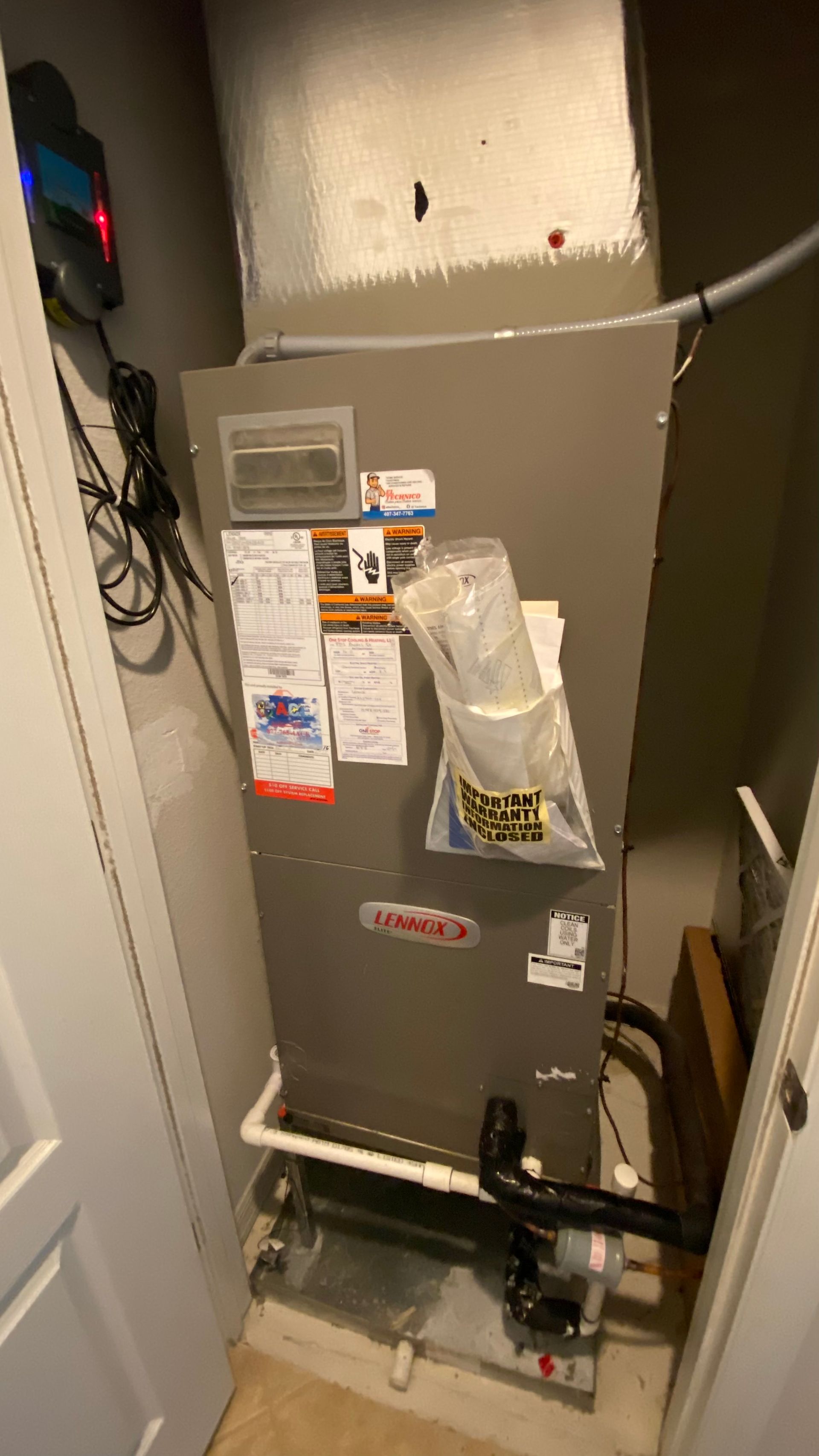
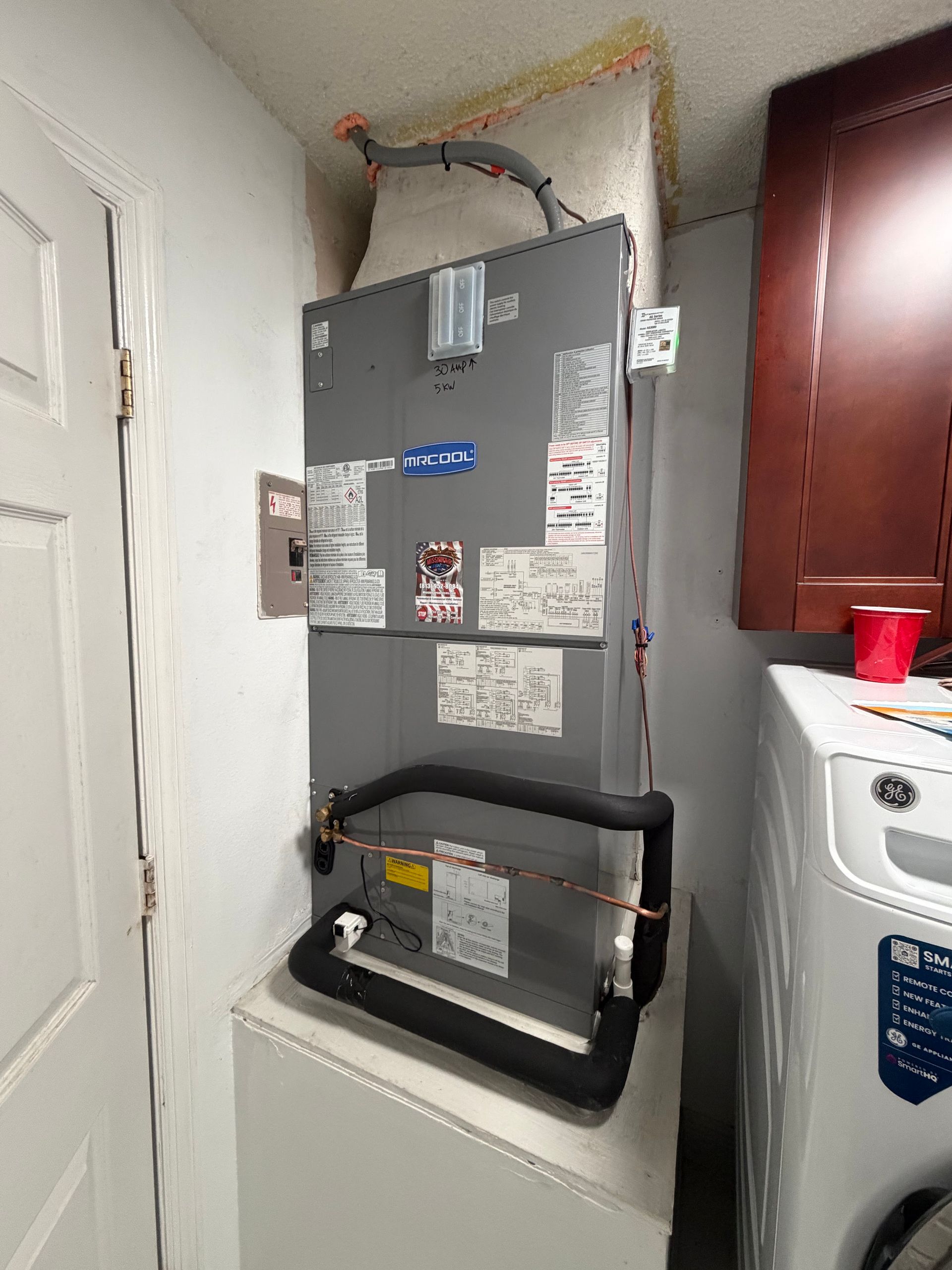
9 months of inactivity is its own kind of wear. Contacts oxidize, sequencers stick, rodents find their way into air handlers, and dust settles on heat strips that will smoke the first time they energize. None of that is caused by use, and none of it will be discovered by anyone until the day the system is finally asked to produce heat.
A fall check exists precisely to close that gap before it opens. It is a short appointment, and it reliably prevents a failure that would otherwise arrive at the worst possible moment.
- Full heating side tested before the cool months
- Safety inspection by NATE-certified, licensed technicians
- Temperature rise measured, not assumed
- Included in the membership club schedule
Quality doors from established manufacturers hold their finish and function longer than budget alternatives, which means fewer repairs and replacements over the life of your home. That durability protects the money you put into the purchase.
Long Term Value
HEATING MAINTENANCE
A HEATING CHECK IS MOSTLY A SAFETY CHECK.
Cooling faults make you uncomfortable. Heating faults can do more than that. A cracked heat exchanger, a scorched terminal on a heat strip circuit, a gas connection that has loosened, or a failed high-limit switch each carry consequences beyond a warm house. That is why the heating portion of a maintenance visit spends as much attention on safety components as it does on performance, and why we will never skip it.
TIMED FOR A SEASON THAT ARRIVES WITHOUT NOTICE.
There is no long shoulder season here to catch problems gradually. The weather turns over a couple of days, every system in the county switches to heat at once, and contractors fill up immediately. Booking a heating check in October or early November means any fault gets found while parts are available and appointments are easy, rather than during the same week everyone else has discovered theirs.
IDLE EQUIPMENT HAS ITS OWN LIST OF FAILURES.
Over 20+ years of fall checks across Hillsborough County we have built up a list that would look distinctly strange to a technician from a colder state. Rodent nests inside air handlers, corroded strip terminals, sequencers that stuck open back in July, belts gone brittle in the heat. Those are the faults that matter here, and they are exactly what we go looking for before the first front arrives.
WHAT A FALL CHECK PROTECTS
HEAT THAT WORKS ON DAY ONE
The first cold morning arrives and the system responds properly, rather than announcing a fault that then takes days to resolve while the front is still sitting overhead.
HOUSEHOLD SAFETY
Cracked exchangers, gas leaks, and scorched wiring are found deliberately rather than discovered by accident. These are rare faults, but they are the ones worth actively looking for.
SENSIBLE WINTER BILLS
Faults that force auxiliary strips to run unnecessarily are expensive and easy to miss. Correcting changeover behavior and staging keeps the heating side from quietly consuming far more than it should.
WARRANTY DOCUMENTATION
Manufacturers ask for evidence of annual service when a heating component fails. A recorded fall visit protects a claim that could otherwise be refused for missing paperwork alone.
NO PEAK-WEEK SCRAMBLE
Finding a fault in November means an easy appointment and available parts. Finding the same fault during a cold snap means joining a queue behind everyone else in the same position.
CONFIDENCE FOR THE SEASON
Once the heating side has been tested and measured, the rest of the cool months stop being a question. That is worth the short appointment on its own.

WHAT WE INSPECT
OUR HEATING MAINTENANCE WORK.
The heating check follows its own sequence, separate from the cooling side. Every safety component is tested individually and every reading is recorded for your file. Safety findings are reported to you immediately rather than written up later.
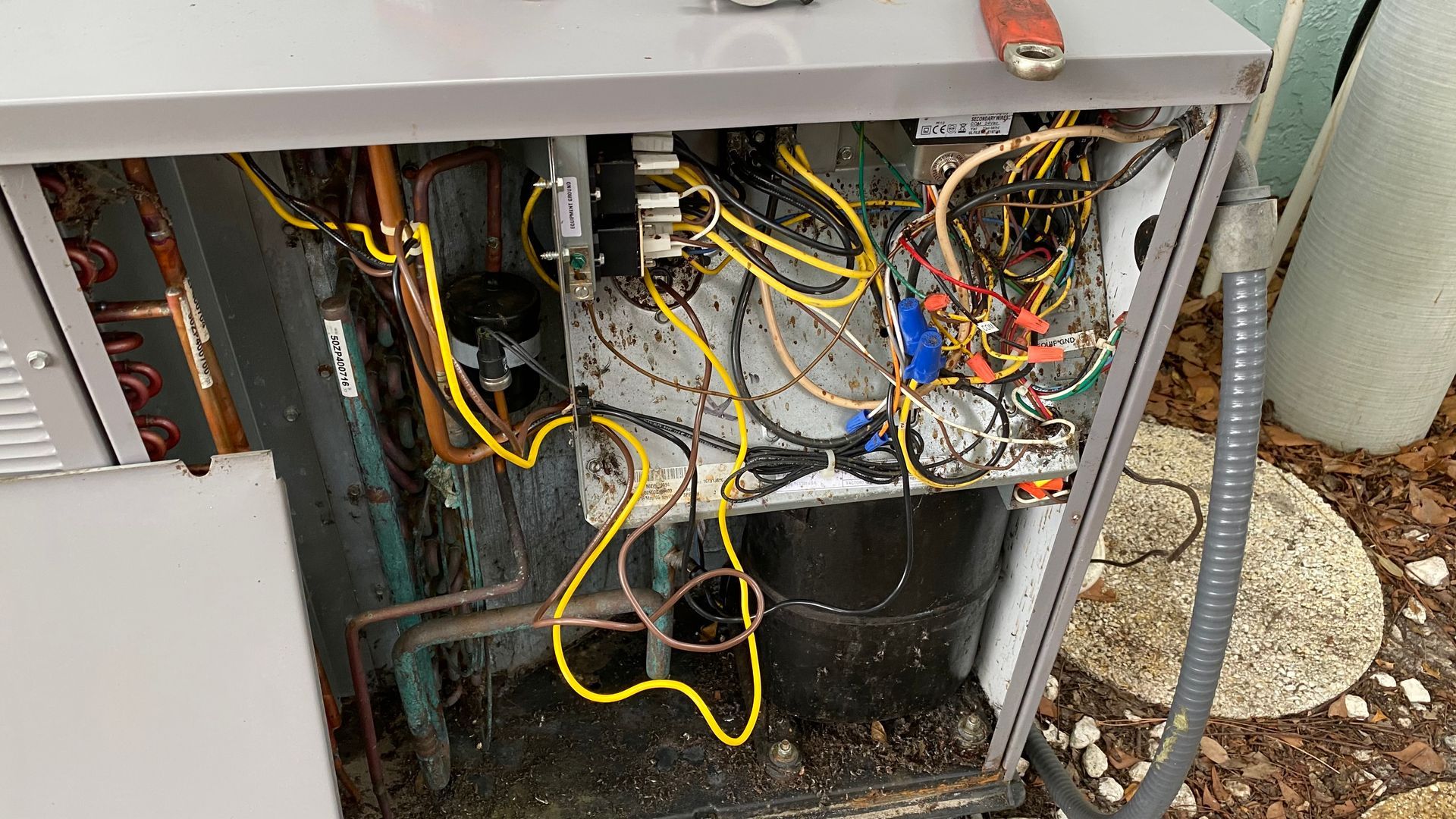
HEAT STRIPS
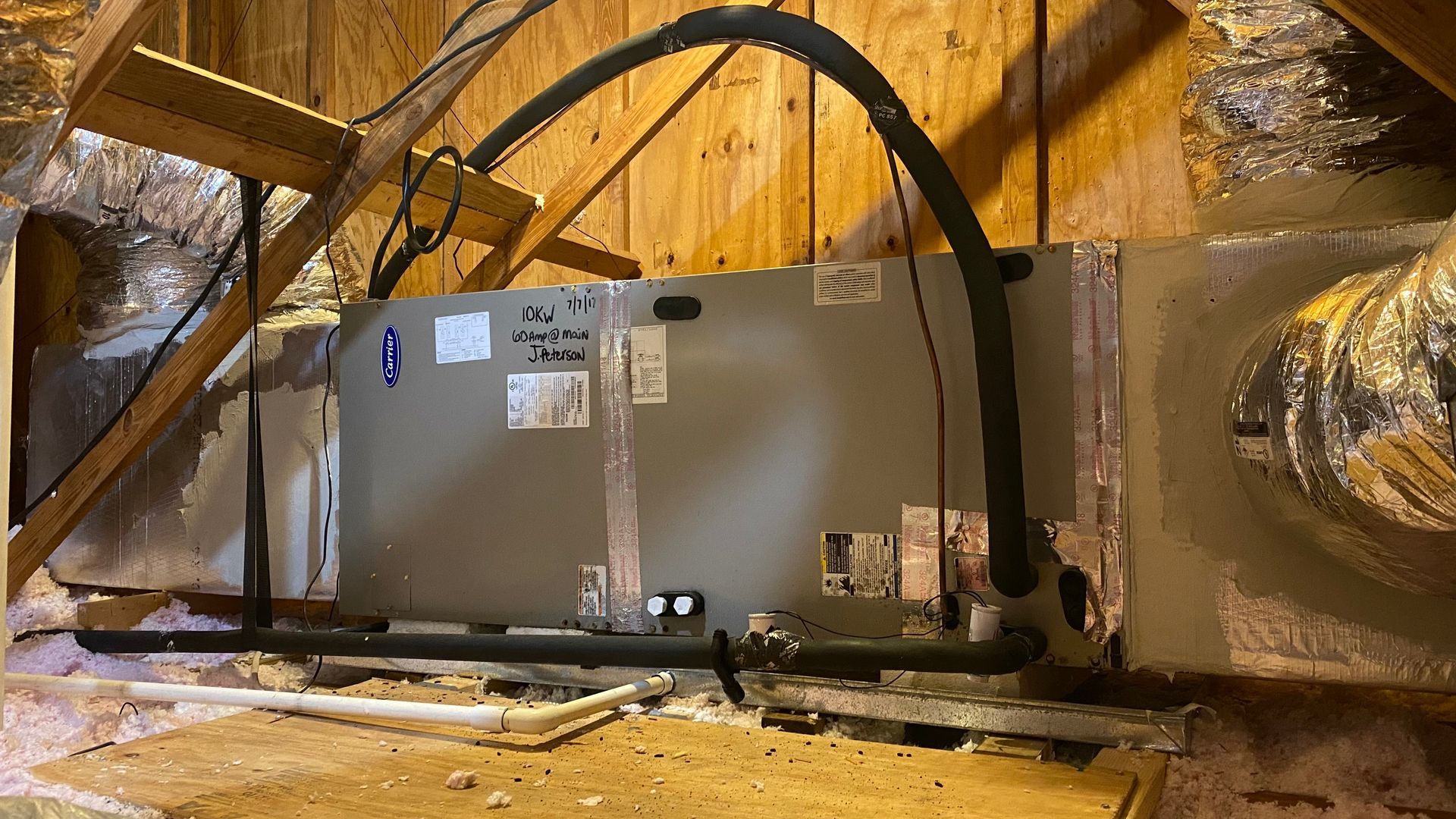
Electric Heat Strip Testing
Each strip element and its sequencer is energized and measured individually. Terminals are inspected for scorching and amp draw is compared against rating, since strips fail quietly and expensively. A single failed element often goes unnoticed for years.
EXCHANGERS
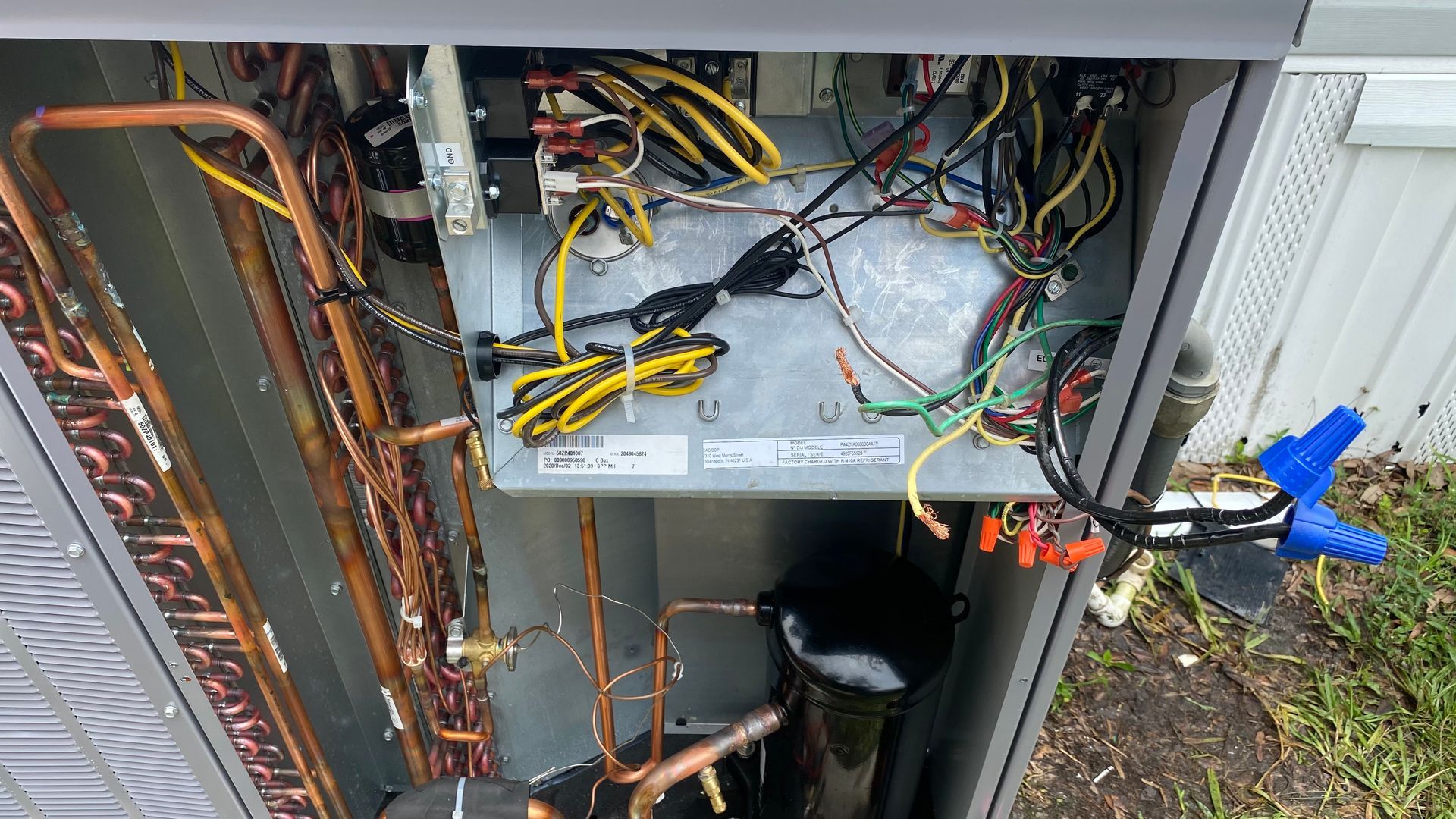
Heat Exchanger Inspection
On gas equipment the exchanger is inspected for cracks and the burners cleaned. This is a safety check first and an efficiency check second, and it is never rushed or skipped.
GAS SIDE
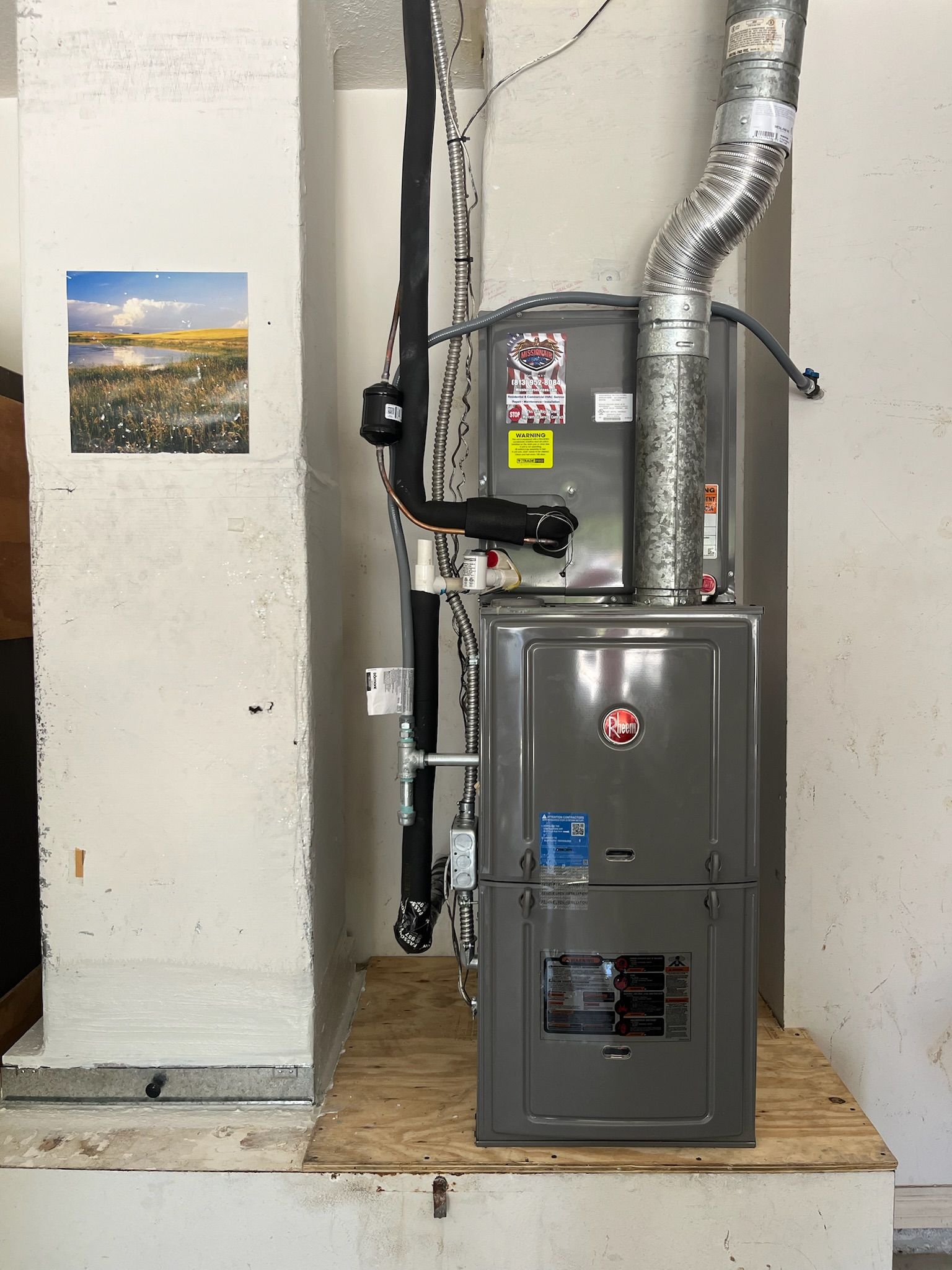
Gas Connection and Burner Service
Burners are cleaned, gas connections tested for leaks, and combustion behavior observed. Any irregularity is reported immediately rather than noted quietly on a form for later reading. Combustion safety takes priority over every efficiency consideration here.
HEAT PUMPS
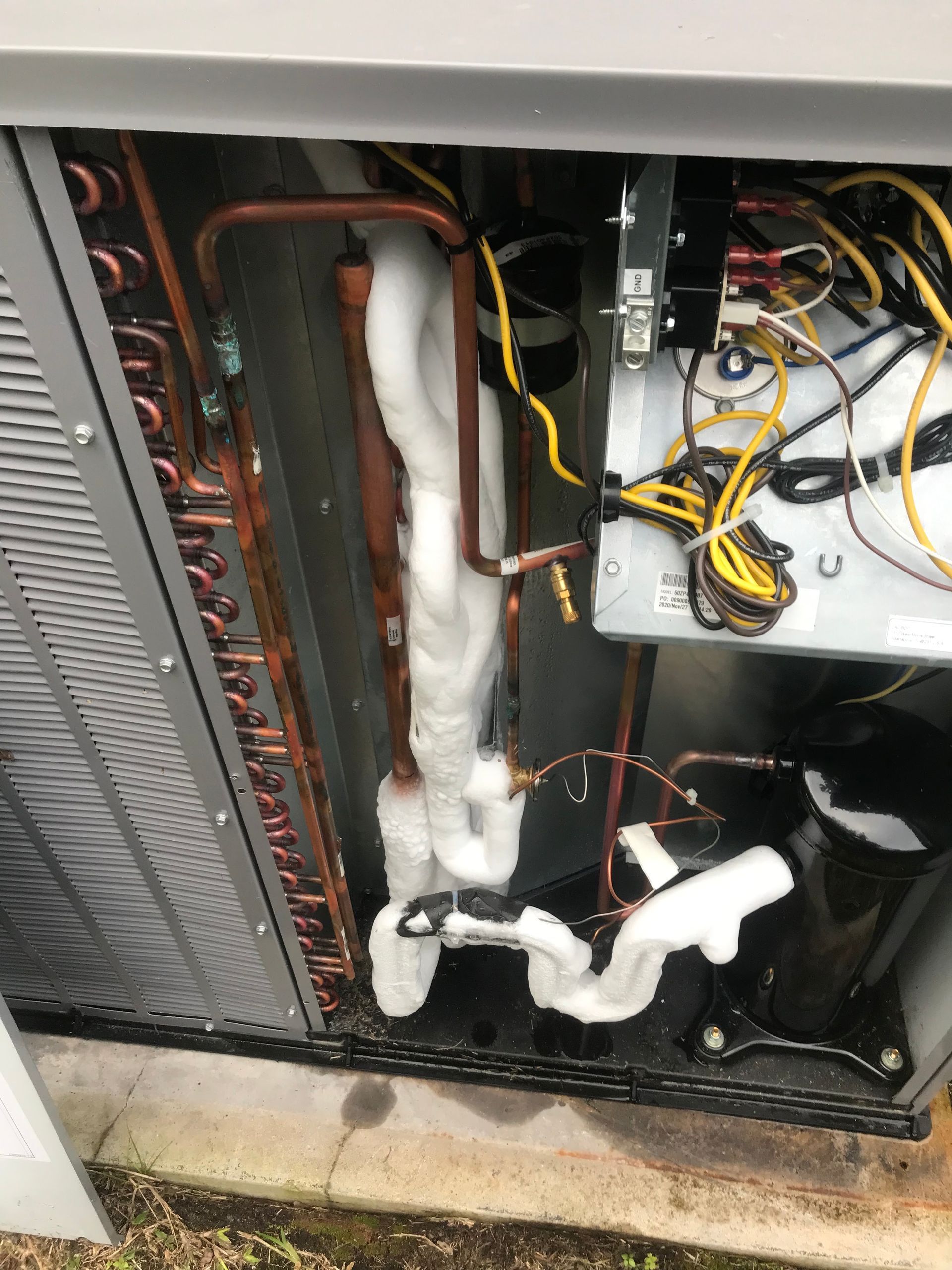
Heat Pump Mode Testing
The system is run in heating mode and through a full defrost cycle. Reversing valve operation, defrost board function, and auxiliary engagement are all verified under real conditions. A stuck reversing valve shows itself quickly under this test.
AIRFLOW
Temperature Rise and Belt Checks
Air temperature rise across the heating element is measured against specification, and fan belts are checked for wear and tension. Low rise usually points at airflow rather than heating capacity.
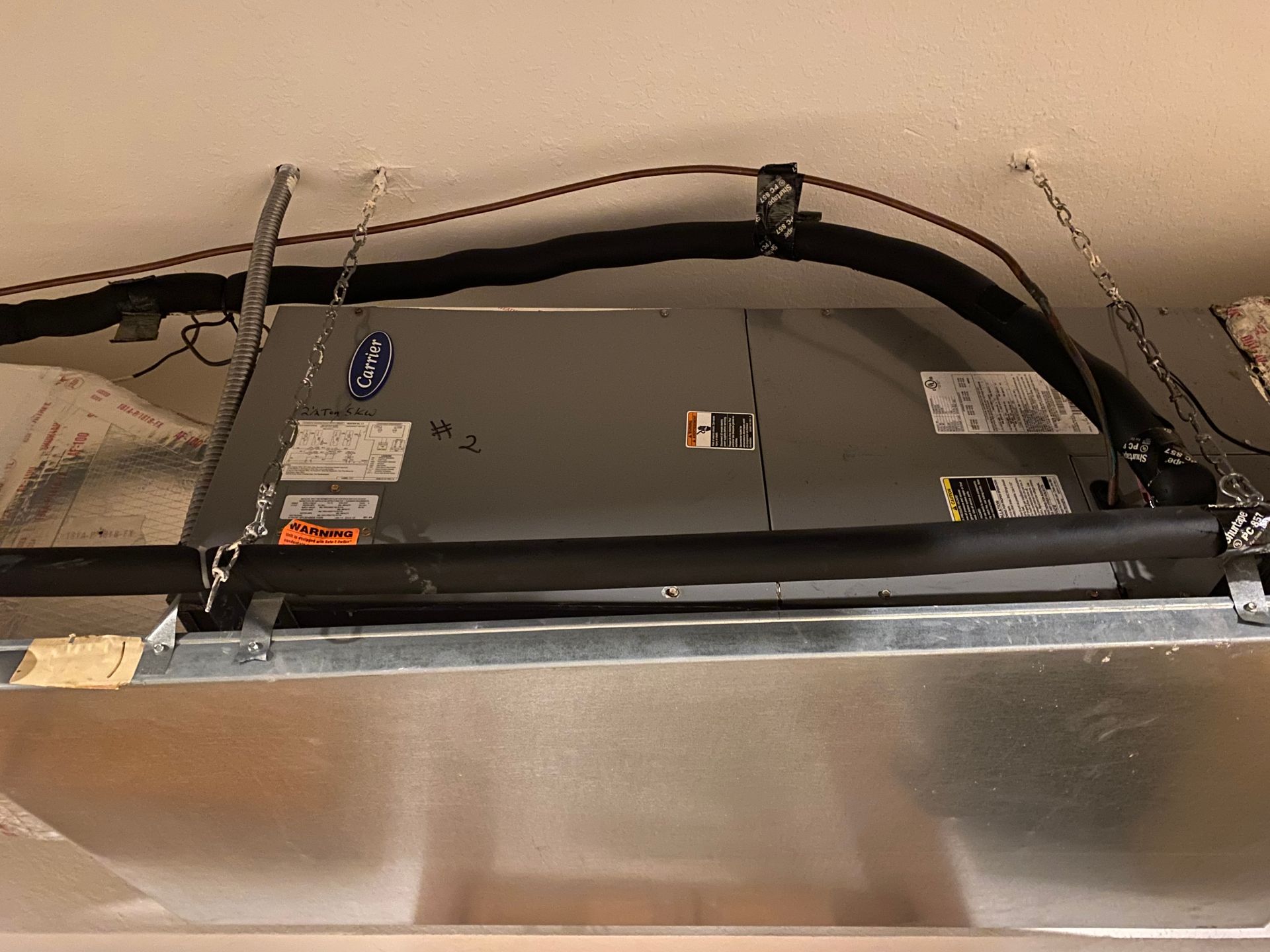
CONTROLS
Control and Safety Verification
High-limit switches, sequencer timing, and thermostat changeover logic are all tested. Safeties that have failed closed are as dangerous as ones that trip constantly, so both get checked. Changeover settings are corrected while we are on site.
THE WORD ON OUR WORK
WHAT OUR CLIENTS SAY.
Heating maintenance reviews are usually written in January, by people whose systems simply worked the moment the front came through. The comparison they draw is nearly always with a neighbor who spent that very same week waiting on an appointment that never came.
Common Questions
frequently asked
questions.
These questions come up whenever we book a fall heating check for a household. Ask the technician about anything else while the air handler is still open.
Does heating really need maintenance in FL?
Yes, precisely because it runs so little. Idle equipment corrodes, seizes, and attracts pests, and those faults only reveal themselves on first use, which is the worst possible moment. An hour in fall avoids that entirely.
When should heating maintenance be scheduled?
October or early November works well. It gives time to order parts if something is found, and appointments are far easier to arrange before the first cold front fills every schedule.
What is checked during a heating maintenance visit?
Heat strips and sequencers, heat exchanger integrity, burners, and gas connections, belts, temperature rise, defrost operation on heat pumps, and all safety switches. Every reading is recorded for you. Nothing on the list gets skipped for time.
Why does my heater smell when I first turn it on?
Dust that settled on the heat strips over summer burns off during the first cycle. A faint, short-lived smell is normal. Anything sharp, acrid, or persistent is not and needs investigating.
Can heating maintenance lower my power bill?
It can, mainly by stopping auxiliary strips running when they should not. Mission Air Services, Inc. checks changeover settings on every Plant City, FL visit for exactly that reason. Strips running unnecessarily are expensive and easy to miss.
Is heating included in the membership club?
Yes. The membership covers 2 visits a year, and the second is timed for the heating side, including burner cleaning, exchanger inspection, heat strip checks, and full defrost testing. Priority scheduling applies to that visit too.
How long does a heating check take?
Usually around an hour for a residential system, longer where gas equipment needs a full combustion inspection or where something found during testing requires further investigation before we finish. We book realistic windows rather than rushing between calls.
What if a fault is found during maintenance?
You are shown the reading, told plainly what it means, and given a written price. Nothing gets repaired without approval, and the member discount applies where you qualify for it.
We Finalize Your Order
STEP 04
Once you choose a product, we confirm every specification, from swing direction to hardware preparation, before placing the order, so the door that arrives matches what was actually agreed upon.
HOW WE WORK
FROM A FALL VISIT TO A WARM JANUARY, HERE IS HOW.
STEP 01
WE START WITH LAST SEASON
Any trouble last winter, any smell, any room that never warmed, and how the bills looked. That history often points straight at what needs the closest attention this time around. Those details are worth more than the checklist alone.
STEP 02
WE INSPECT THE HEATING ELEMENTS
Heat strips are energized element by element, sequencers timed, and terminals inspected for scorching or corrosion. Amp draw is measured against rating rather than assumed to be acceptable. Anything scorched is photographed and shown to you directly.
STEP 03
WE CHECK COMBUSTION AND EXCHANGERS
On gas equipment, burners are cleaned, connections leak tested, and the heat exchanger inspected for cracks. Anything questionable is reported immediately, because this part is a safety matter. Nothing about this part of the visit gets rushed.
STEP 04
WE RUN THE HEAT PUMP CYCLE
Heating mode and a full defrost cycle are both exercised while we watch. Reversing valve behavior and auxiliary engagement tell us whether winter operation will be efficient or expensive. Auxiliary lockout settings are corrected at the same time.
STEP 05
WE MEASURE TEMPERATURE RISE
Air temperature rise across the heating element is compared against specification. A low reading usually means restricted airflow rather than a heating fault, and that distinction saves real money. The figure goes into your file for next year.
STEP 06
WE REPORT AND RECOMMEND
Every reading, every safety check, and anything worth watching goes onto a written summary. Repairs, if any are needed, are quoted separately for you to consider without pressure. Member pricing is applied automatically where it qualifies for it.