HVAC SYSTEM REPLACEMENT
HVAC SYSTEM REPLACEMENT IN Plant City, FL.
There is a point where repairs stop being repairs and start being installments on a system you will replace anyway. Mission Air Services, Inc. handles HVAC system replacement across Plant City, FL, Lakeland, and Riverview, sizing equipment to the house rather than the invoice. Licensed under CAC1820450, financing available, and every written estimate free on our contact page.
REPLACEMENT IS A DECISION, NOT A RESCUE.
Most people meet their replacement decision on the worst possible day, standing in a hot house with a technician delivering bad news. That is the wrong moment to spend several thousand dollars. We would rather have the conversation early, while the old system still limps along and you have time to compare capacities, efficiency levels, and payment terms without a deadline pressing on you.
So we tell you where your equipment actually stands. Sometimes that means a repair buys another 2 seasons. Sometimes the honest answer is that the money belongs in new equipment.
- Repair versus replace math shown openly
- Multiple efficiency tiers quoted, never one
- Licensed under CAC1820450, no commission-driven upselling
- Free second opinion if you have another quote
Quality doors from established manufacturers hold their finish and function longer than budget alternatives, which means fewer repairs and replacements over the life of your home. That durability protects the money you put into the purchase.
Long Term Value
HVAC SYSTEM REPLACEMENT
A NEW SYSTEM SHOULD FIX WHAT THE OLD ONE COULD NOT.
Replacing equipment is a chance to correct everything the previous installer got wrong. Undersized returns, unbalanced supply runs, a condenser baking against a west wall, a line set that was never insulated properly: these follow the house, not the equipment. We look at the whole picture before we specify a model, because dropping a new unit onto an old set of problems reproduces the old set of results at a higher price.
SIZED FOR PLANT CITY HOMES, NOT A CATALOG AVERAGE.
Our cooling season runs roughly 9 months, and humidity does as much damage to comfort as temperature does. A system sized purely on square footage tends to run oversized here, cooling fast and cycling off before it has pulled moisture out of the air. We calculate the load from your actual construction, glazing, insulation, and orientation, then choose capacity that runs longer and drier rather than shorter and clammy.
20+ YEARS OF PULLING OUT SYSTEMS THAT SHOULD HAVE GONE SOONER.
In 20+ years of doing this across Hillsborough County and Polk County, the same story repeats: a homeowner spends four figures on repairs across 3 summers, then replaces the unit anyway. We would rather help you avoid that pattern than profit from it. That is why our estimates lay out the remaining life of what you own alongside the cost of what would replace it, and why we are comfortable when you decide to wait.
WHAT A PROPER REPLACEMENT GIVES BACK
LOWER MONTHLY RUNNING COSTS
Modern equipment does the same cooling on noticeably less electricity. Combined with correct charge and sealed ducts, most households see the difference on the very first full billing cycle after changeout.
HUMIDITY THAT FINALLY LEAVES
A right-sized system runs longer cycles, and long cycles are what actually pull moisture out of indoor air. Rooms stop feeling damp, windows stop fogging, and the thermostat setting starts to feel accurate.
AN END TO SURPRISE REPAIR BILLS
Replacing before failure moves you from an unplanned expense to a planned one. No more choosing between an emergency callout in the middle of August and sleeping somewhere cooler for the night.
EVEN TEMPERATURES ROOM TO ROOM
Correct capacity paired with balanced airflow closes the gap between the coldest room and the warmest one, which usually eliminates the space heater or box fan that had become permanent furniture.
QUIETER OPERATION DAY AND NIGHT
Newer compressors and variable-speed blowers run far softer than older single-stage equipment. Conversations near the return vent stop competing with the system, and bedrooms stay quiet through overnight cycles.
WARRANTY COVERAGE THAT STARTS OVER
New equipment carries factory parts coverage again, and correct registered installation keeps that coverage valid. Instead of gambling on a 14-year-old compressor, you have documented protection behind the largest component.
WHAT WE REPLACE
OUR HVAC REPLACEMENT WORK
Replacement covers more than swapping a box outside. Depending on what you own and what failed, the right scope may be the whole system, one half of it, or a matched upgrade that finally puts both halves in agreement.
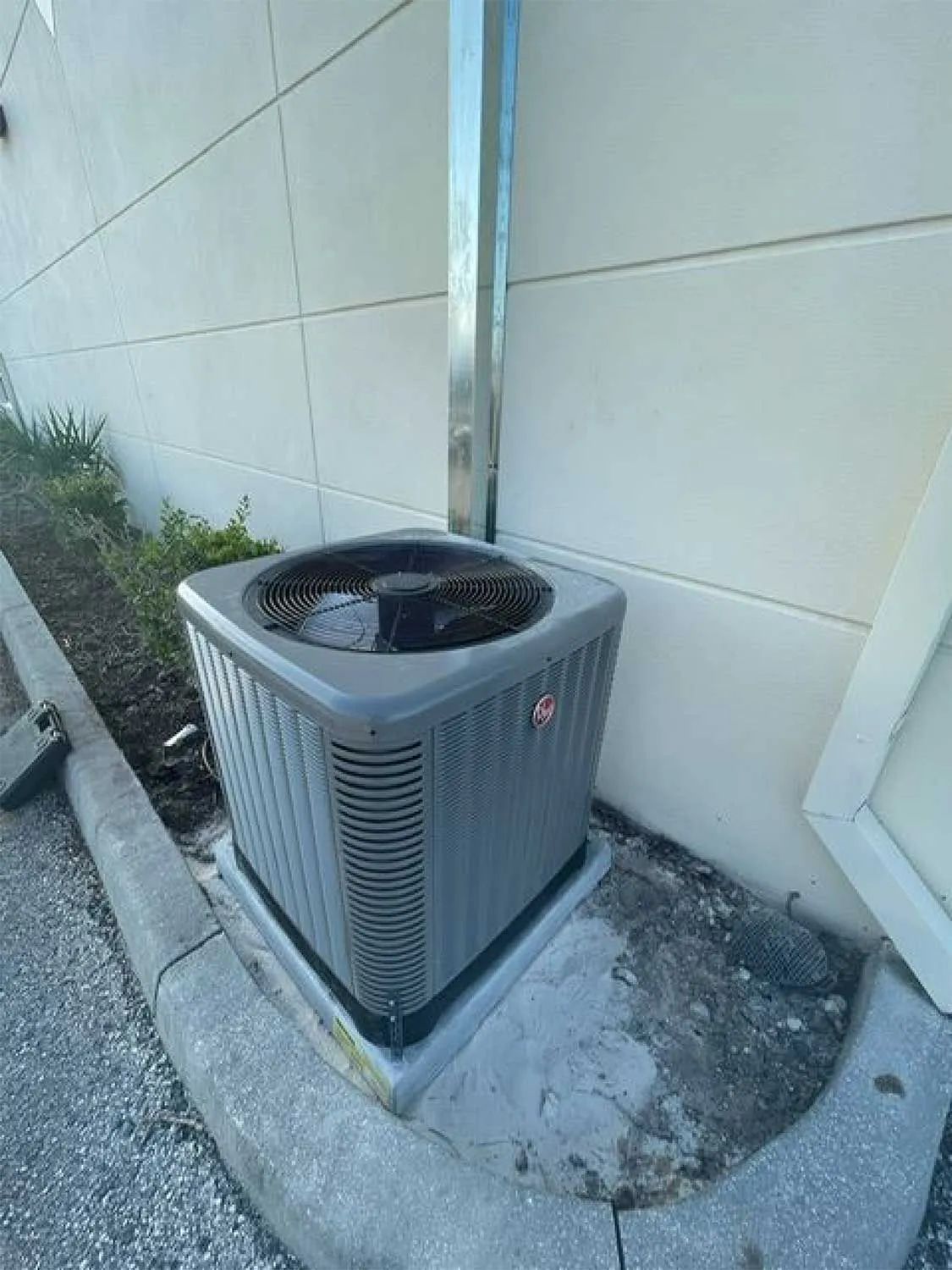
FULL SYSTEM
Complete System Changeouts
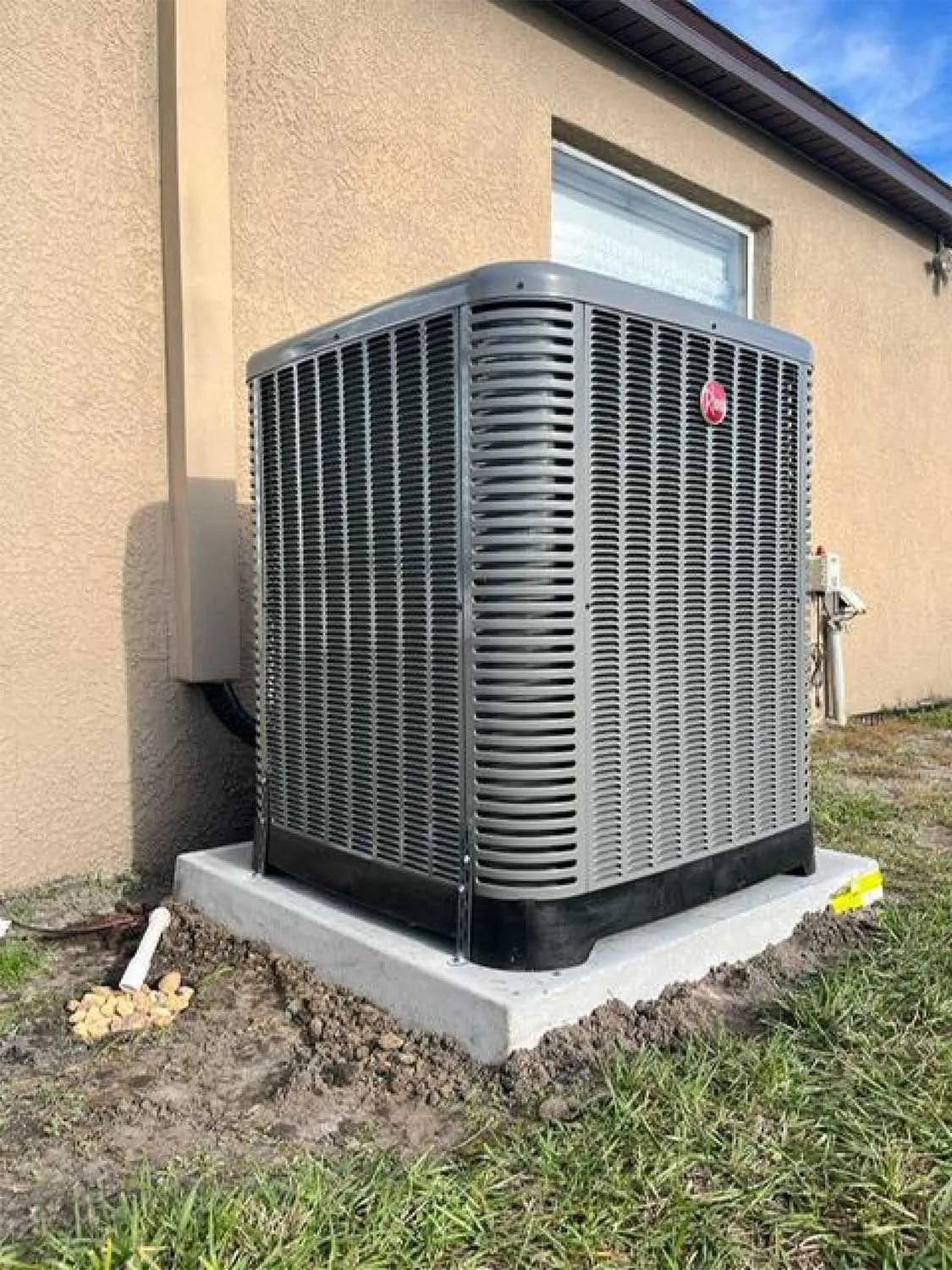
Both indoor and outdoor equipment replaced together, with new line set connections, updated electrical disconnects, and a fresh pad. This is the cleanest path when the existing system is past 12 years and losing efficiency.
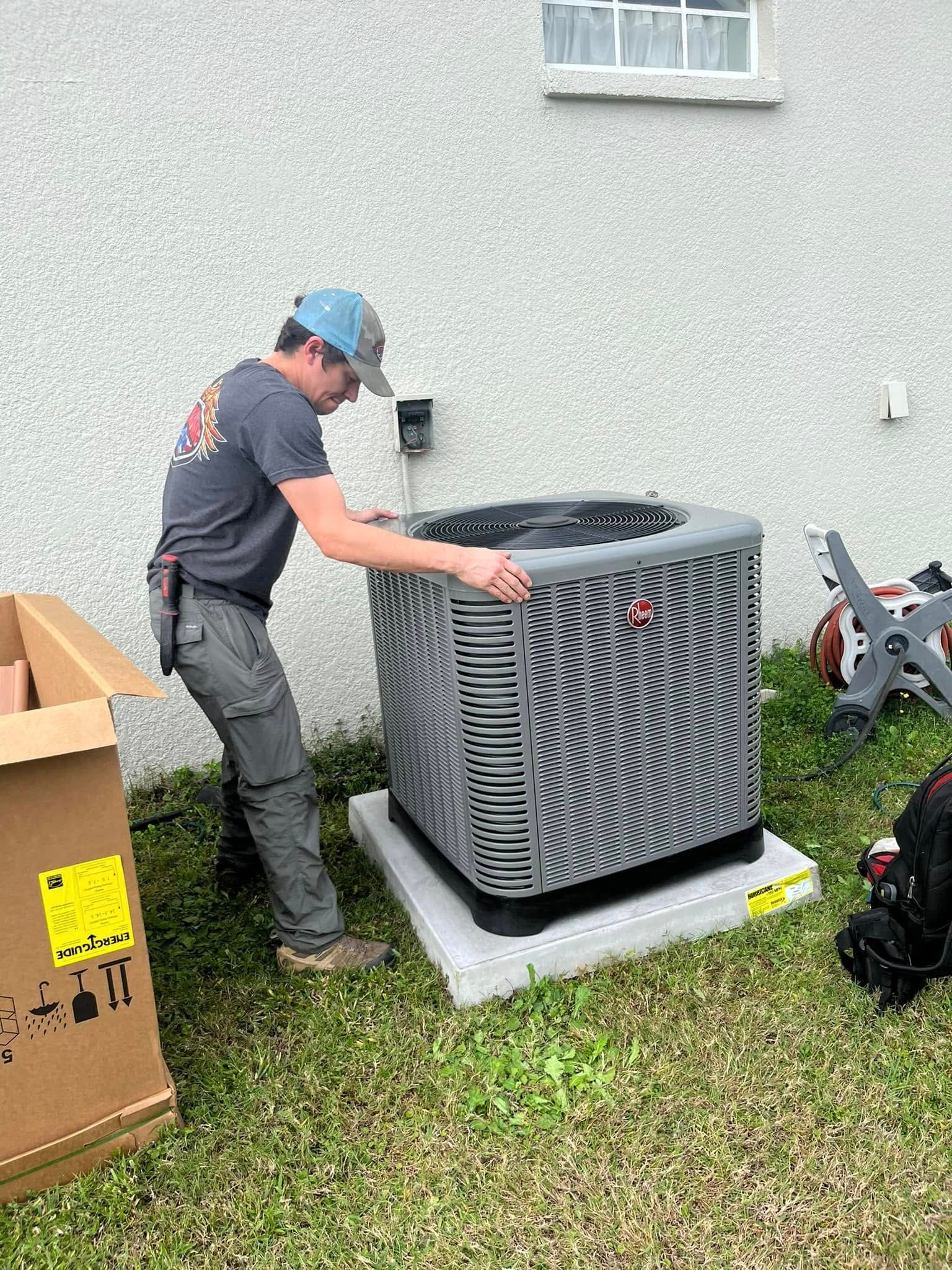
OUTDOOR UNIT
Condenser Replacement
When the outdoor unit fails but the air handler is healthy and compatible, we replace the condenser alone. We verify refrigerant type, capacity match, and metering device first so the pairing performs as rated.
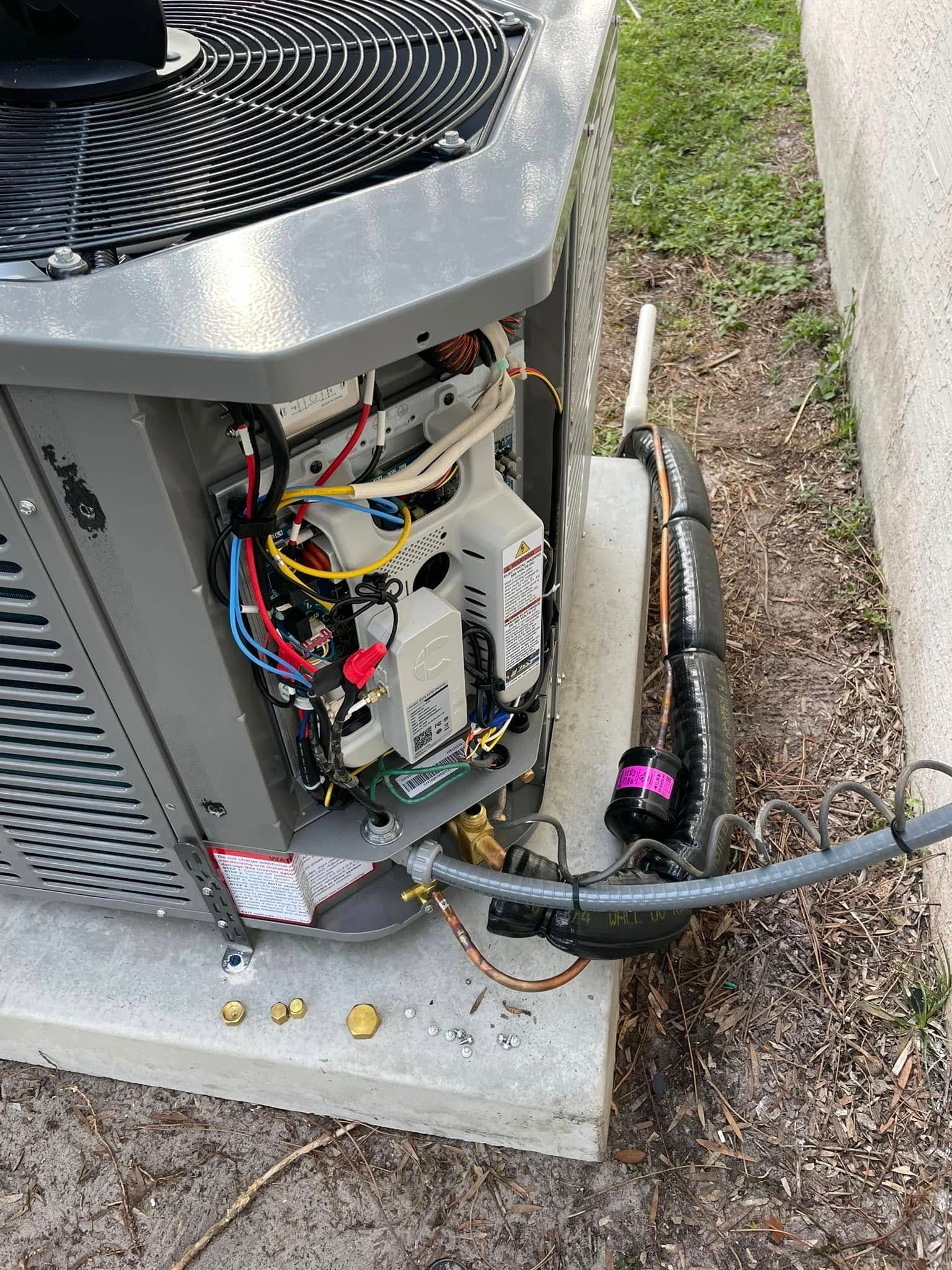
INDOOR UNIT
Air Handler Replacement
A corroded coil or failed blower motor often makes indoor replacement the cheaper move. We fit the new handler to existing plenums, correct any drain slope problems, and reseal every connection while access is open.
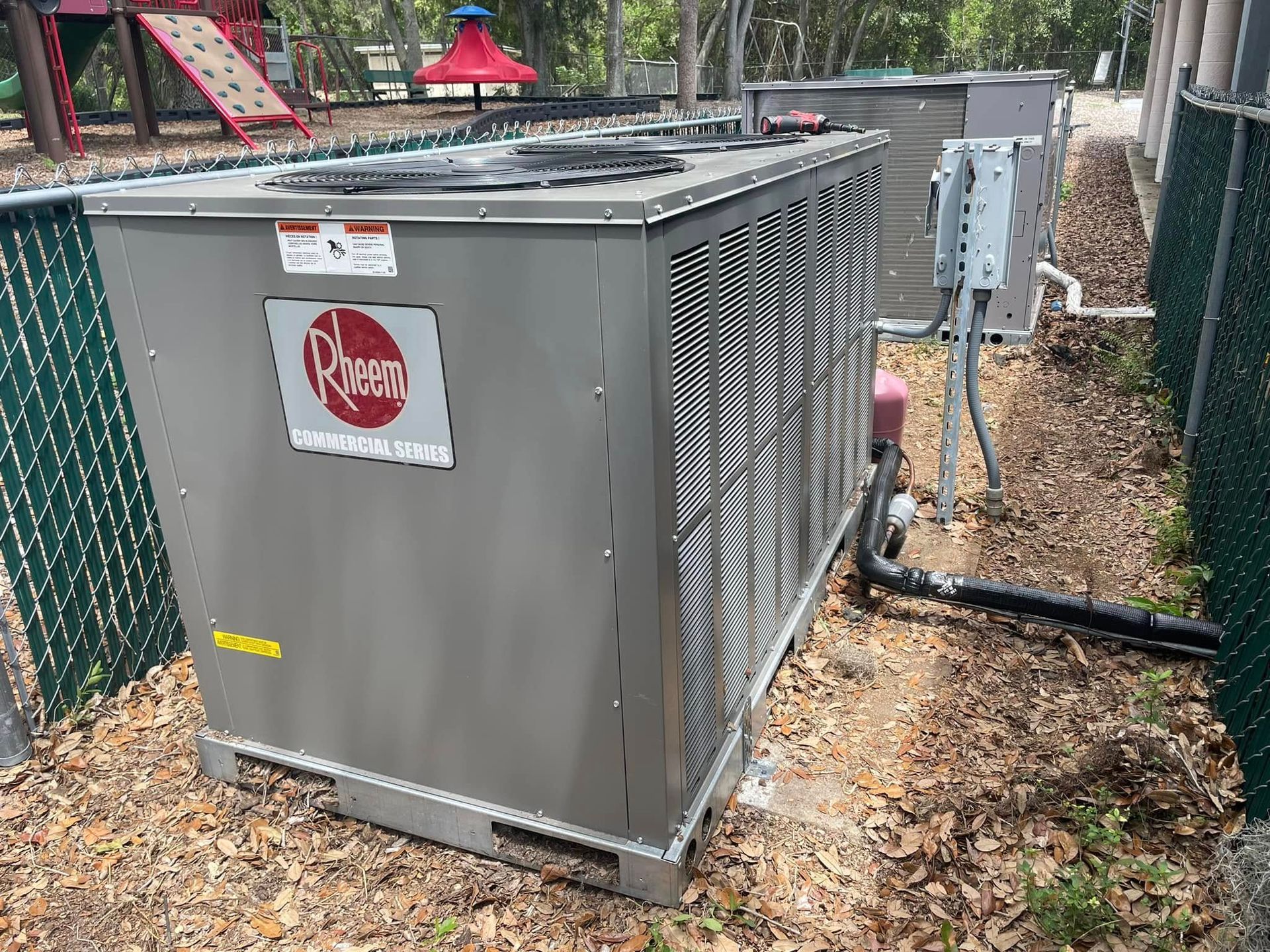
MATCHED PAIRS
Matched System Upgrades
Mismatched indoor and outdoor equipment never delivers its rated efficiency. Matching the pair recovers the performance you paid for, and it usually restores full manufacturer coverage that a mixed installation had quietly voided.
HEAT PUMPS
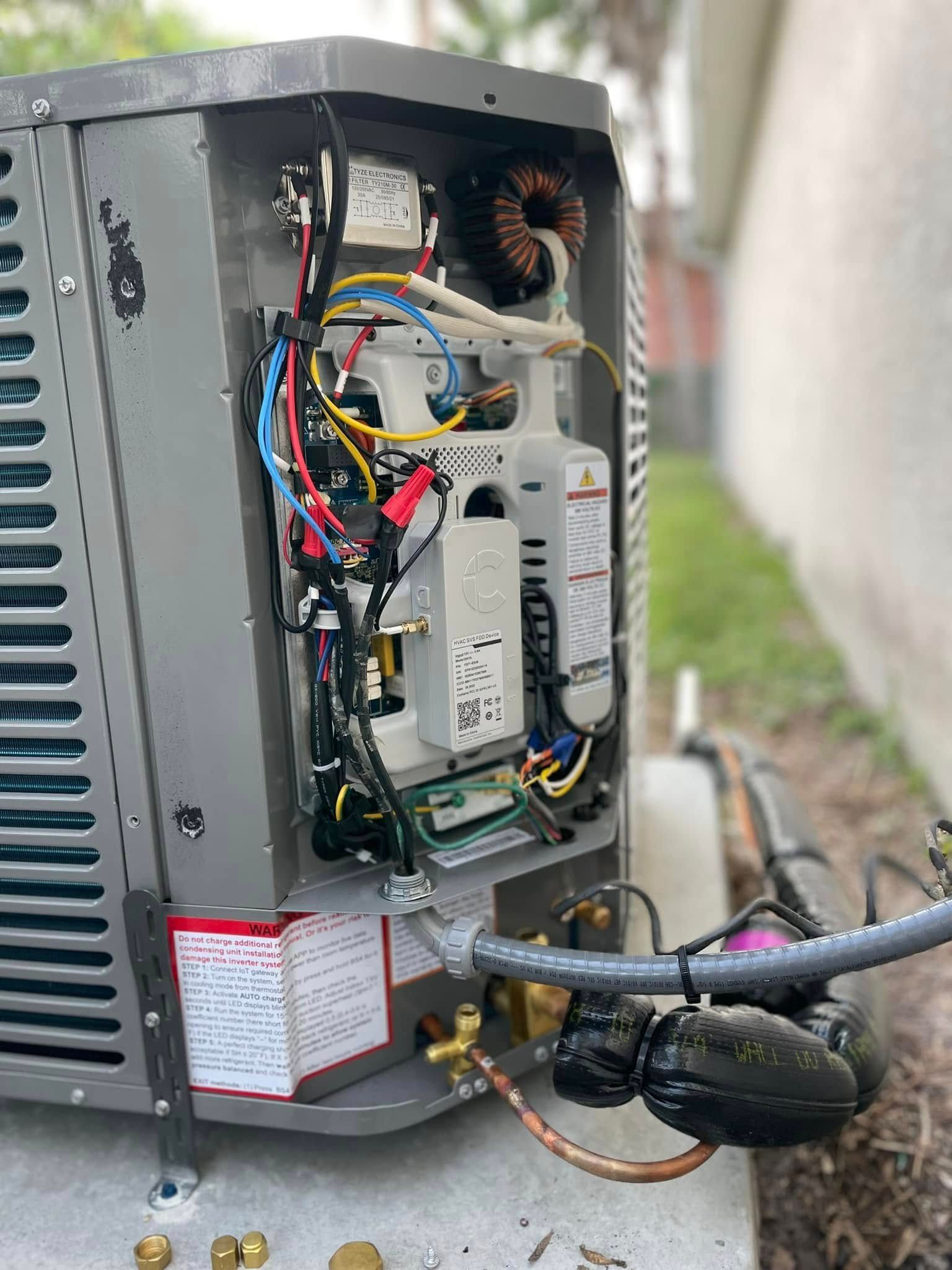
Heat Pump Changeouts
Swapping an aging heat pump keeps both heating and cooling on one system. We confirm auxiliary strip capacity, set the changeover point sensibly, and check that the existing thermostat can drive the new staging.
OLD REFRIGERANT
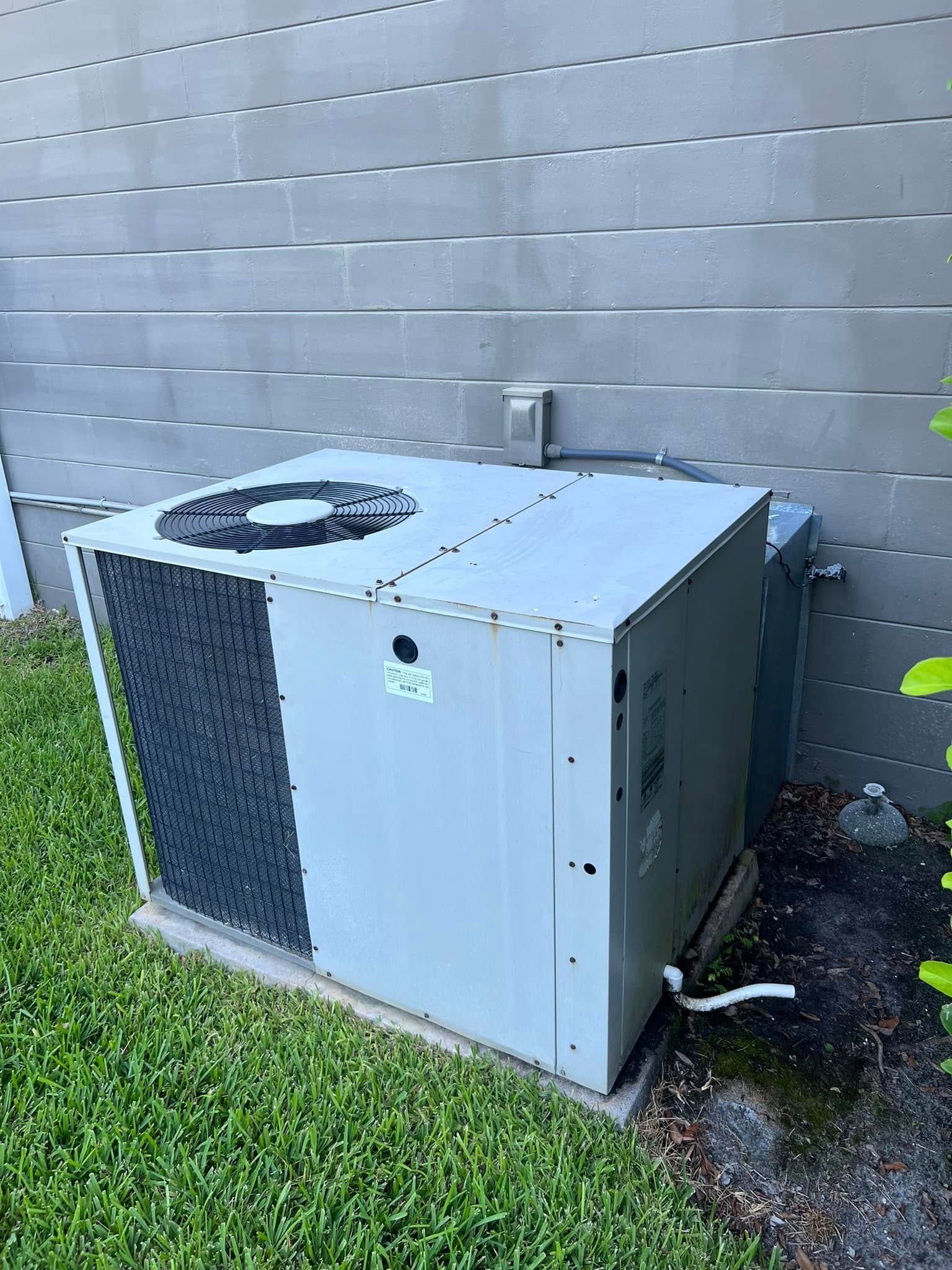
Older Refrigerant Retirements
Systems built for discontinued refrigerants get expensive to keep charged. Replacing them ends that dependency, and we recover the old refrigerant properly rather than venting it while the unit comes down.
THE WORD ON OUR WORK
WHAT OUR CLIENTS SAY.
Replacement is the biggest ticket most homeowners ever buy from us, so the reviews that matter most are the ones written weeks later, after the first full power bill arrived and the house had been through a real heat wave. Those are the ones we ask you to read.
Common Questions
frequently asked
questions.
The questions below come up on nearly every replacement estimate we write. If yours is not covered, ask during the visit and you will get a straight answer.
How do I know when to replace my HVAC system instead of repairing it?
Weigh the repair cost against the unit's age. Once a system passes 10 years and a single repair approaches half the price of new equipment, replacement usually wins on total cost within 2 seasons.
How long does an HVAC replacement take?
A straightforward changeout runs 4 to 8 hours in a single day. Jobs that need electrical upgrades, new line sets, or duct modifications can stretch into a second day, and we tell you that upfront.
Do I need to replace the indoor and outdoor units together?
Usually yes. The two halves are engineered as a matched pair, and mixing old with new caps efficiency, strains the compressor, and can void the manufacturer warranty on the component you just bought.
What size HVAC system does my home need?
That comes from a load calculation, not from square footage or the old nameplate. Construction, insulation, window area, ceiling height, and sun exposure all shift the answer, sometimes by a full ton.
Will a new system lower my electric bill?
Almost always, though the size of the drop depends on what you are replacing. Moving from an aging 10 SEER unit to modern high-efficiency equipment produces a far larger saving than upgrading something recent.
Should I replace my ductwork at the same time?
If ducts are leaking, crushed, or undersized for the new capacity, yes. Sending high-efficiency air through a failing delivery network wastes the upgrade. Mission Air Services, Inc. evaluates both together on every Plant City, FL estimate.
What SEER2 rating makes sense in FL?
Because cooling runs most of the year here, higher ratings pay back faster than they do up north. We generally model 2 or 3 tiers so you can see where the payback curve flattens for your usage.
How long should a new HVAC system last?
Expect 12 to 15 years from properly installed equipment, longer with consistent maintenance. Skipped service, poor airflow, and unprotected electronics are what pull that number down well before the equipment is genuinely worn out.
We Finalize Your Order
STEP 04
Once you choose a product, we confirm every specification, from swing direction to hardware preparation, before placing the order, so the door that arrives matches what was actually agreed upon.
HOW WE WORK
FROM FIRST LOOK TO FIRST COLD AIR, HERE IS HOW.
STEP 01
WE LISTEN FIRST
Before any tools come out, we ask what the house actually does wrong. Hot back bedroom, clammy evenings, a bill that doubled: those complaints shape the specification more than the age of the equipment does.
STEP 02
WE MEASURE THE LOAD
We walk the home, note construction and glazing, check duct condition and return sizing, and run the numbers. Capacity gets chosen from that calculation rather than from whatever tonnage happened to be installed before.
STEP 03
WE PUT IT IN WRITING
You receive options at different efficiency levels, each with equipment model, scope of work, and total price stated plainly. Financing terms appear alongside them so the monthly figure is never a surprise later.
STEP 04
WE REMOVE THE OLD SYSTEM
Refrigerant is recovered properly, the old equipment comes out, and the site is protected while we work. Pads get leveled, disconnects get inspected, and anything corroded is flagged before the new unit goes down.
STEP 05
WE SET AND CONNECT
New equipment is placed, brazed, evacuated, and charged to manufacturer specification. Electrical, drain lines, and thermostat wiring all get checked against code rather than reconnected to whatever was there before. Everything is torqued and pressure tested before the system is energized.
STEP 06
WE COMMISSION AND HAND OVER
We measure temperature split, static pressure, and amp draw, confirm the numbers match the design, register the warranty, and walk you through the thermostat before leaving. Then the paperwork is yours. Nothing is left for you to chase up afterward.