What a Full HVAC System Replacement Actually Involves
August 31, 2026
QUICK ANSWER: A full HVAC system replacement means removing and replacing both the indoor and outdoor units together, not just swapping the condenser and leaving the old coil in place. The process starts with a room-by-room load calculation instead of a guess based on square footage, includes proper recovery of the refrigerant from the old equipment, and ends with the new system commissioned and measured rather than simply switched on. Done this way, the indoor and outdoor units are matched to each other and sized to the actual home, not the old equipment's nameplate.
Your outdoor unit hums along fine. It's the indoor coil, wheezing after a decade of humidity and hard use, that finally gives out. A lot of homeowners in that spot ask for “just the part that broke.” A contractor willing to sell only that part will do it, too. The system will run. It just won't run the way the new outdoor unit is built to run, and the reasons come down to physics, not upselling.
Why Replacement Means Both Units, Not One
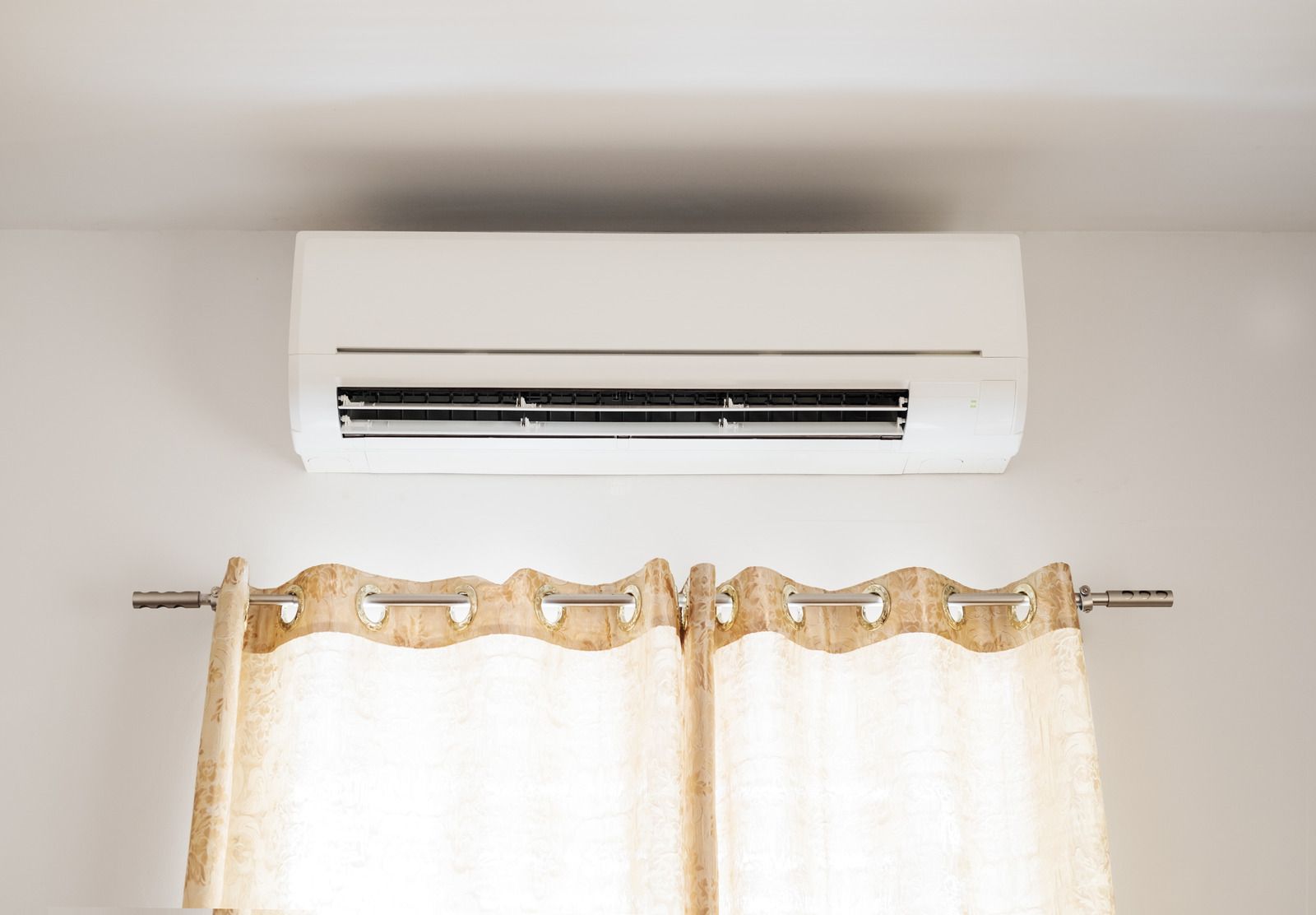
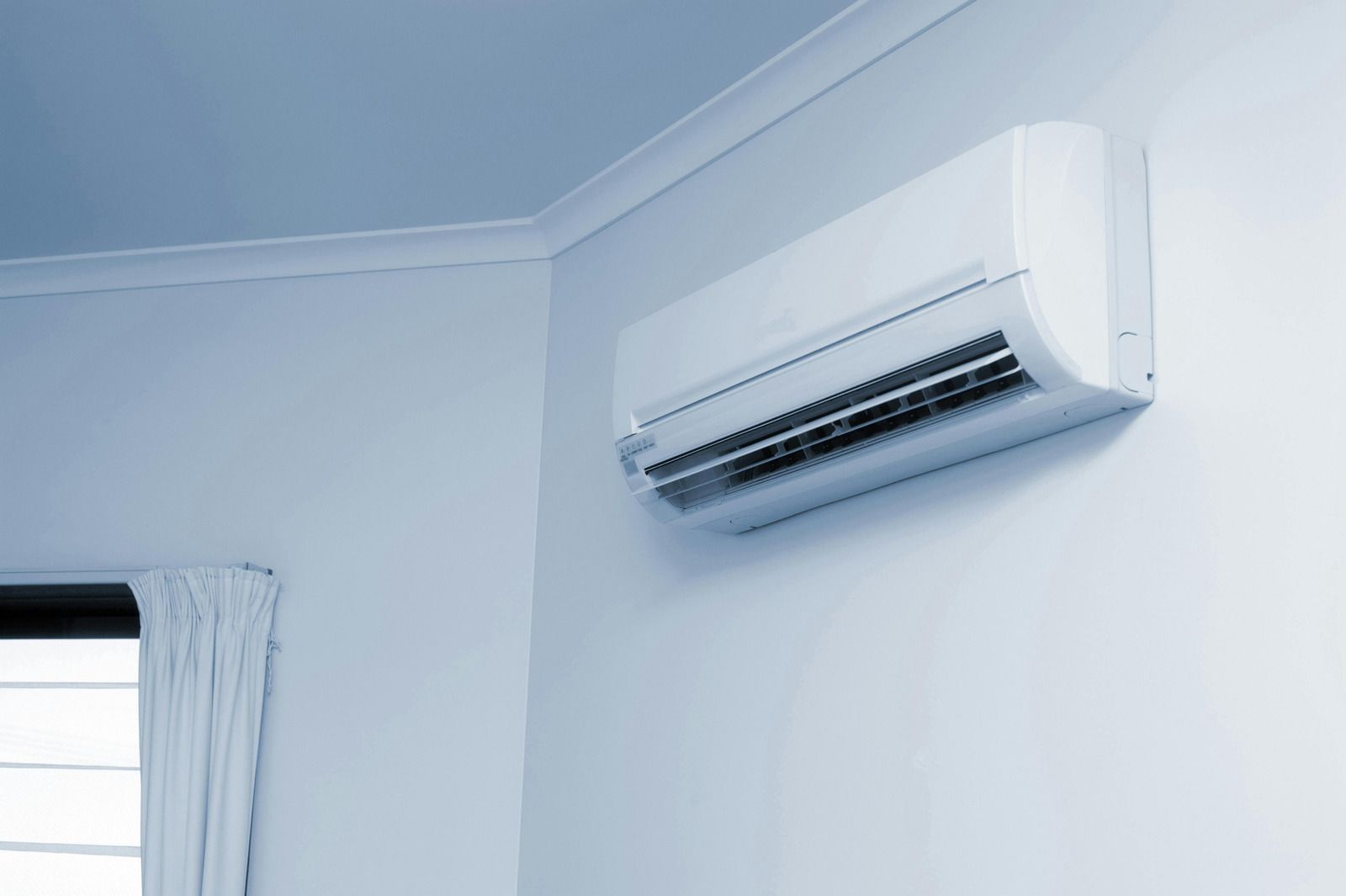
An air conditioner or heat pump is engineered as a pair. The indoor evaporator coil and the outdoor condenser are built by the manufacturer to move the same volume of refrigerant at the same pressures. When one half of that pair is new and the other is ten or fifteen years old, the older coil acts like a narrowed section of pipe: the new compressor pushes against resistance it was never designed to handle.
The practical result shows up in two places. Efficiency drops, because the new outdoor unit can't reach the airflow and pressure it needs to hit its rated performance. And humidity control suffers, because a mismatched system tends to cool the air fast and shut off before the indoor coil has had time to pull moisture out of it. Nine months of the year here, that second problem is the one homeowners notice first. The thermostat says 72. The house still feels damp.
AHRI, the industry group that certifies equipment combinations, keeps a public directory of coil-and-condenser pairings that have been tested together and verified to hit their rated efficiency. Equipment sold outside a certified match still runs, but the manufacturer's warranty and the efficiency rating printed on the unit both assume the certified pairing. That's the difference between a repair that patches one failure and a replacement that resets the whole system to a known, tested baseline.
A system that cools the thermostat's sensor without pulling moisture out of the air leaves closets, drywall, and furniture feeling damp long after the compressor shuts off. Homes closer to the coast pick up another problem on top of that. Salt-laden air chews through outdoor coils and cabinets faster than it does anything sitting indoors, which is a big part of why the outdoor unit is usually the first piece to show its age, even while the indoor half of the system still has good years left.
Sizing Comes From a Load Calculation, Not the Old Unit's Tag
The next place a replacement diverges from a quick swap is sizing. A common shortcut is to match the tonnage of the new system to whatever the old one was, or to size off a rule of thumb like one ton per 500 or 600 square feet. Both approaches skip the actual math.
A Manual J load calculation, the industry-standard method developed by the Air Conditioning Contractors of America, works room by room. It accounts for window area and orientation, insulation levels, ceiling height, air infiltration, occupancy, and local design temperatures, then adds those numbers up to a total the home actually needs. One building-science review of 40 real load calculations found homes needing closer to 1,000 to 1,400 square feet per ton of cooling, well above the 400-to-600 range that rule-of-thumb sizing assumes. That gap is exactly why so many existing systems are oversized. Somebody eyeballed it years ago, the house cooled down fine, and nobody questioned it again.
Why Oversizing Is Its Own Problem, Not A Safety Margin
A system that's too large for the load cools the air fast and shuts off before it's run long enough to pull humidity out, which leaves the same clammy, over-cooled feeling a mismatched system leaves. It also cycles on and off more often, and that extra starting and stopping wears on the compressor and the electrical parts that fire it up. Even a correct Manual J calculation usually lands somewhere around 15 to 40 percent above a home's bare minimum need, once you account for the equipment sizes manufacturers actually sell and a reasonable margin on top. That's fine. Padding on top of a rule-of-thumb guess, on the other hand, compounds into a system that short-cycles all summer long.
TIP: Ask whatever contractor is quoting your replacement to walk you through the load calculation, not just hand you a tonnage number. A calculation that accounts for your specific windows, insulation, and room layout will look different from a generic square-footage estimate, and you should be able to see why.
What Happens to the Old Equipment and Its Refrigerant
Before the old system comes out, the refrigerant inside it has to be recovered, not released. Federal rules under EPA Section 608 require technicians who service or dispose of air conditioning equipment to be certified and to recover refrigerant with dedicated recovery equipment rather than vent it to the atmosphere. That recovery step happens before any disconnection work begins on the old coil and lines.
What refrigerant gets recovered depends on the system's age. Systems installed in roughly the last two decades typically run on R-410A. Older equipment may still be holding R-22, which stopped being made for new units years ago and is genuinely hard to find now if you're just trying to top one off. Either way, a full replacement retires whatever refrigerant the old system used and starts over with a full factory charge, verified against the manufacturer's spec instead of topped off by feel.
The refrigerant standard itself is shifting again, too. Starting in 2025, new residential air conditioning and heat pump equipment has been required to use lower-global-warming-potential refrigerants, mainly R-32 or R-454B, in place of R-410A. Existing R-410A systems can still be serviced and repaired, so a working system isn't obsolete overnight. But anyone replacing a system now is getting equipment built around the newer refrigerant standard, not the one that's been the default for the past twenty years.
WARNING: If refrigerant lines from the old system are being reused rather than replaced as part of the changeout, ask why. Old line sets can carry contamination, incompatible oil residue, or corrosion that undermines a new system's performance and warranty. A full replacement typically includes new or thoroughly flushed and pressure-tested line sets for exactly this reason.
From Removal to Commissioning: The Order of Operations
A full changeout on an average home generally runs one work day. Larger commercial equipment or extra ductwork can push it into a second. Here's roughly how the day breaks down.
Old System Disconnected And Removed
Refrigerant is recovered first, then the outdoor unit, indoor coil, and any associated electrical disconnects are removed.
New Equipment Set And Connected
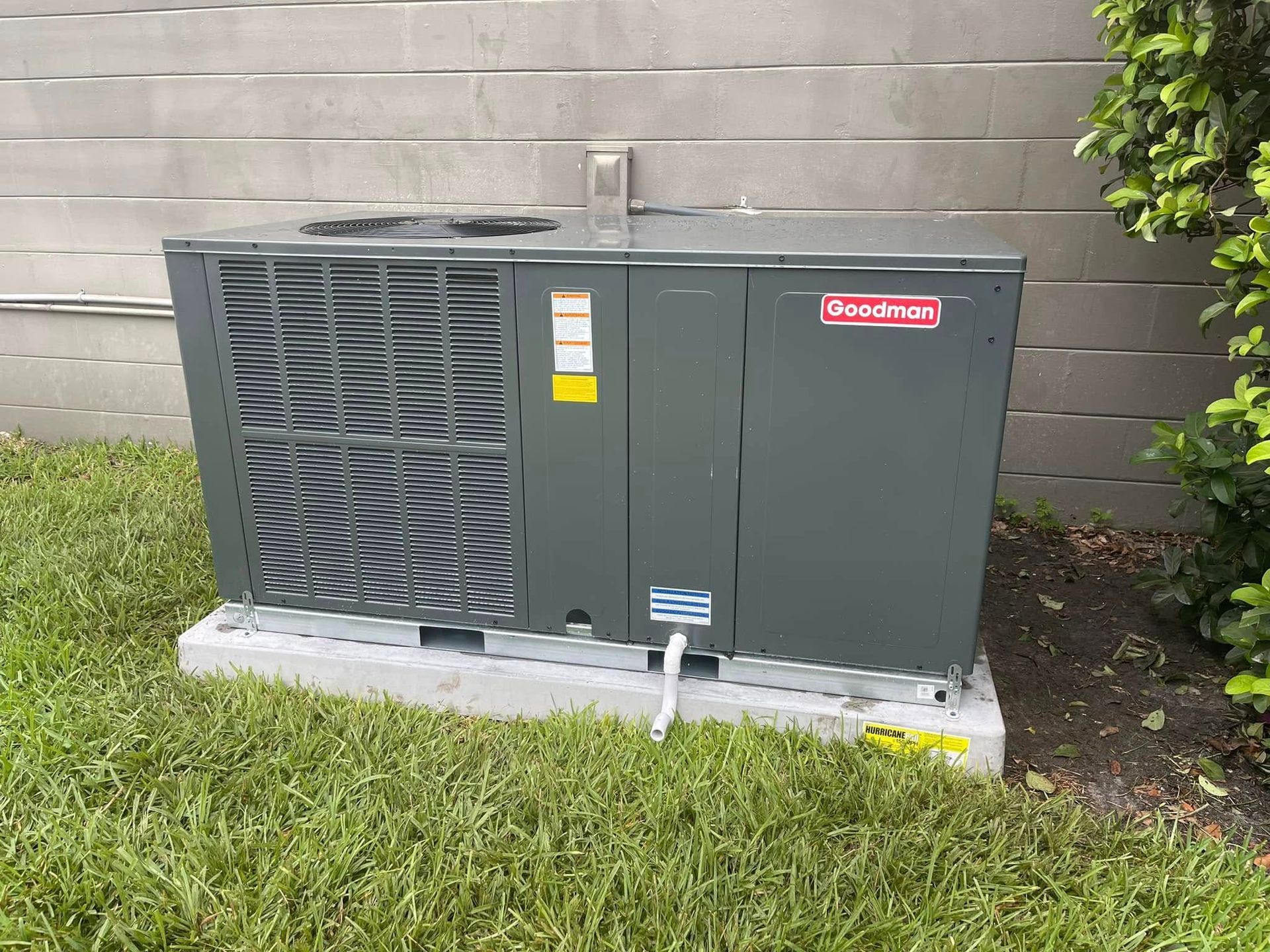
The outdoor condenser is placed on its pad, the indoor coil is installed in the air handler or furnace cabinet, and new line sets and electrical connections are run.
Charge And Pressure Testing
The system is evacuated, charged to the manufacturer's specification, and checked for leaks before it's allowed to run.
Startup And Commissioning
This is the step that separates a system that's merely running from one that's actually performing. A technician measures airflow at the registers, checks refrigerant pressures and superheat/subcooling against target values, verifies electrical draw on the compressor and fan motors, and confirms the thermostat is staged and calibrated correctly.
Walkthrough
The homeowner gets a rundown of filter locations and change intervals, thermostat operation, and what maintenance the new equipment needs going forward.
Skipping that commissioning step is common on rushed installs. It's also the reason some brand-new systems never quite hit the efficiency rating printed on the box. A unit that's been switched on without being measured can run with the wrong airflow or an off-target charge and still blow cold air, at least for a while. That's the trap. It feels fine at first.
Frequently Asked Questions
Can I replace just the outdoor condenser and keep my existing indoor coil?
Physically, yes. Some contractors will even quote it that way. But it usually voids the manufacturer's efficiency rating and often the warranty too, since that pairing was never tested by AHRI, and it tends to leave your humidity control worse off than a matched pair would.
How long does a full HVAC system replacement take?
Most residential changeouts take a single work day, start to finish, from disconnecting the old equipment through the final walkthrough. Larger homes, commercial systems, or jobs that also involve ductwork changes can stretch into a second day.
Do I need a bigger system than the one I'm replacing?
Not necessarily. Sometimes it's the opposite. A load calculation is based on your home's actual construction, not the old equipment's tonnage, so a properly sized replacement can come out smaller than what's running now if the original system was oversized to begin with.
What happens to the refrigerant in my old system?
Certified technicians recover it with dedicated equipment before the old unit ever gets disconnected, as EPA rules require, rather than releasing it. Your new system then gets its own full charge, verified against the manufacturer's specification.
Will my new system use the same refrigerant as my old one?
Probably not. Newer residential equipment has shifted to lower-global-warming-potential refrigerants like R-32 and R-454B in place of R-410A. A replacement now typically means new refrigerant technology on top of new equipment.
How do I know the new system was installed correctly and not just turned on?
Ask to see the commissioning numbers. Measured airflow, refrigerant pressures, and electrical readings, all checked against the manufacturer's target values, not just a thumbs-up and a running compressor.
What Separates a Real Replacement From a Swap
The difference between a replacement that performs and one that merely runs is rarely visible from the driveway. It sits in the load calculation nobody watches happen, the coil pairing checked against a certified match, the refrigerant pulled out properly, and the readings taken after the compressor starts turning. Homeowners are usually shown a price and a brand name. The parts that decide whether a house feels dry in August happen quietly, before the truck ever leaves.
Mission Air Services, Inc.
has been replacing systems in Plant City homes for 20+ years, long enough to see what a rushed install costs somebody three summers later. Done right, a changeout leaves a home cooler, drier, and cheaper to run than the equipment it replaced, and it leaves the homeowner able to say why. Those decisions are worth asking about while the old unit is still in place, because afterward they are already locked in.